PET TRAINING · 6 MIN READ
The Reliable Recall: Teaching Your Dog to Come When Called
A dog who reliably comes when called is safer, freer, and less stressful to live with — yet recall is one of the hardest skills to actually train. Here is the modern, science-based plan that works.
Advertisement
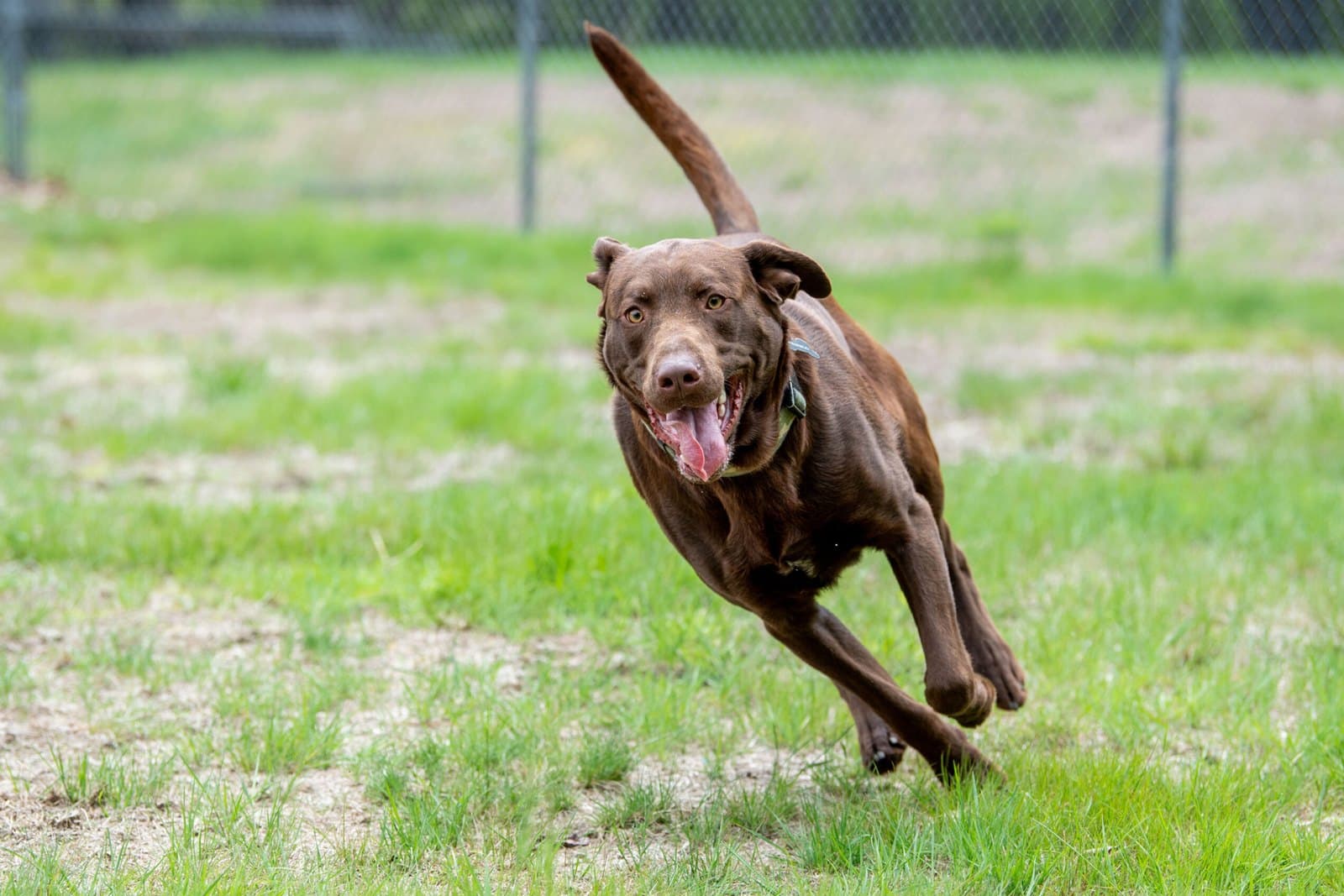
Why Recall Is the Hardest Easy Skill
Most dog owners can teach a sit. Few can call their dog out of a chase. The difference is that sit is a low-value request the dog can perform in any context, while come is a high-stakes interruption of whatever the dog finds more rewarding at that moment — a squirrel, another dog, an interesting smell.
The American Kennel Club and most modern trainers consider recall one of the most consequential skills you can teach. A reliable recall means more freedom for your dog (off-leash hikes, dog parks, trail running) and meaningfully reduced risk in emergencies (a dog about to dart into traffic, a dog approaching a snake or wildlife).
This guide walks through how to build it the right way — and the common mistakes that make most amateur recall training fail.
The Single Most Important Rule
Coming to you must always be the best thing that happens to your dog.
Every time. No exceptions. If recalling sometimes ends fun (leash snaps on, dog goes home), and sometimes leads to nail trims or baths your dog dislikes, your recall cue becomes a coin flip. Dogs are excellent at noticing this.
The corollary: if you cannot be sure your dog will come, do not call them. Every failed recall weakens the cue. A poisoned cue — one your dog has learned to ignore — is harder to fix than starting fresh.
Why Old Recall Methods Fail
Calling the dog and then punishing them
If your dog comes to you and you punish them — for taking too long, for getting muddy, for chewing your shoes earlier — you have just taught them that coming to you ends in punishment. Their next recall will be slower, and eventually nonexistent.
Using come only when the fun is over
If come only means leash-on-go-home, your dog will start to ignore it. Mix in many recall practices that end with continued fun: come, get a treat, run back to play.
Repeating the cue
Buddy! Buddy! Buddy come! Buddy COME! teaches the dog that the cue is background noise. Say it once, then become more interesting (run away, crouch, squeak a toy). Stop saying the word.
Calling from too far in distracting environments
Calling a 6-month-old puppy out of full-speed play with another dog is an advanced skill. Build the foundation first; do not test in conditions you have not trained for.
The Foundation Layer: Indoor Practice
Recall starts at home with no distractions.
- Choose a recall word. Many trainers recommend a fresh word (here, front, let's go) rather than come if your dog has already learned to ignore it. Save the new word for high-value training only.
- Pick a high-value reward. Plain kibble is not enough. Use small bits of cooked chicken, cheese, or freeze-dried liver — something your dog rarely gets otherwise.
- Stand a few feet from your dog in a quiet room. Say their name and the recall word once. The moment they take a step toward you, mark with yes! and reward when they arrive.
- Repeat 5-10 times in short sessions (2-3 minutes), several times a day for a week.
The puppy or dog should learn that recall = jackpot. Many trainers use a 5-treat reward (treat after treat after treat as the dog stays near you) to make the experience genuinely memorable.
The Distraction Layer: Backyard or Quiet Outdoors
Once the indoor recall is rock-solid, move outside to a fenced yard or quiet park.
- Start with low distraction (yard alone, no other dogs).
- Use a long line — typically 15-30 feet of nylon rope or specialized long lead — clipped to a flat collar or harness. Keep the line slack; tension teaches the dog to feel where you are without paying attention.
- Practice the same recall game from short distances at first, building to the full length of the line.
- Do not yet add competing distractions. Build success before adding difficulty.
The Real-World Layer: Long Line in Public
The next stage is using a long line in real-world environments — parks, trails, beaches. The long line is not just a leash; it is the safety net that prevents a failed recall from becoming a real problem.
- Let your dog explore at the end of the line. Give them genuine freedom to sniff and roam.
- When you call, use the line only as a backup — it should not be how you bring the dog in.
- If the dog ignores the call, do not repeat the cue. Walk toward them, gather the line, and reset to a closer distance for the next attempt.
- Reward generously when they come, then release them back to play. The release is itself a powerful reward.
Plan to use the long line for several months — sometimes longer for high-prey-drive breeds. Off-leash freedom is earned through consistent successful recalls, not granted by your hopes.
Building Reliability: The 90% Rule
Many trainers use a working benchmark: a dog should successfully recall in a given environment 9 out of 10 times before that environment is considered trained. If your dog fails more than that, the environment is too distracting; back up to a less challenging setting and rebuild.
High-Value Tricks to Make Recall Bulletproof
The Premack recall
The Premack principle: a less-likely behavior (recall) is reinforced by a more-likely behavior (continued play). Practice calling your dog mid-play, rewarding briefly, and immediately releasing them back to play. The dog learns that recall does not mean fun ends.
The recall jackpot
Once a week or so, when your dog comes especially fast or under heavy distraction, give a true jackpot — 10-20 treats in succession, an extended play session, or their absolute favorite reward. Random big rewards make every recall feel potentially huge.
Treat surprise
Carry high-value treats unpredictably. A dog who never knows whether you have chicken in your pocket is a dog who keeps checking in.
The chase game
When practicing, the moment the dog starts toward you, turn and run away. Most dogs find chasing irresistible, and you have just made coming to you the most fun thing happening.
What to Do When Recall Fails
If your dog ignores you in the moment, do not chase them. Chasing teaches the dog that ignoring you initiates a fun game. Instead:
- Run the other way and make excited sounds. Most dogs will turn and chase you.
- Sit or lie down on the ground. Strange behavior often draws curious dogs in.
- Use an emergency recall — a separate, never-trained-without-jackpot word reserved only for true emergencies. Train it weekly with massive rewards so it remains pristine.
Equipment Notes
- Long line: 15-30 feet. Biothane (waterproof) or nylon. Avoid retractable leashes, which encourage tension and can snap.
- Harness: back-clip is fine for recall practice; front-clip can give mixed signals.
- Treat pouch: hands-free pouch keeps high-value treats accessible.
- GPS collar (optional): for off-leash training in remote areas, a GPS tracker (Fi, Tractive, Garmin) provides recovery insurance.
The Off-Leash Question
Even a dog with a strong recall is not safe everywhere off-leash. Some breeds (huskies, beagles, sighthounds) have such strong instinctive drives that 100% reliability may never be achievable. Some environments (busy roads, livestock areas, unknown terrain) are unsafe regardless of training. The honest assessment: most pet dogs do best with a long line in unfamiliar environments and full off-leash freedom only in fully fenced or well-vetted spaces.
Timeline Expectations
| Stage | Time | Goal |
|---|---|---|
| Indoor foundation | 1-2 weeks | Reliable recall in quiet rooms. |
| Backyard / fenced park | 2-4 weeks | Reliable recall on long line. |
| Public parks (low distraction) | 1-3 months | Reliable recall around mild distractions. |
| Real-world (high distraction) | 3-12 months | Reliable recall around dogs, wildlife, smells. |
| Off-leash readiness | 6+ months minimum | 90%+ recall in tested environments. |
The Bottom Line
A reliable recall is not a single behavior you teach in a weekend. It is a relationship you build over months — one in which coming to you is reliably the best part of your dog's day. Stay patient, never poison the cue, work with a long line for as long as it takes, and you will end up with a dog who chooses you over the squirrel. The dog who comes when called has a bigger life.
For severe behavioral issues, consult a certified dog trainer or veterinary behaviorist.
RELATED READING
More from Pet Training
Pet Behavior
Separation Anxiety in Dogs: A Complete Guide
Up to 17% of U.S. dogs suffer from separation anxiety — a clinical panic disorder that produces real distress, real damage, and real suffering. Here is how to tell true separation anxiety from boredom, the evidence-based treatment plan, and when medication makes sense.
2026-05-08
Pet Behavior
Understanding Dog Body Language
Most dog bites in the U.S. could have been prevented if the human noticed earlier signals. Learn to read the full conversation — tail, ears, eyes, mouth, posture — including the famous Ladder of Aggression and the calming signals dogs use to defuse stress.
2026-05-07

Pet Behavior
Resource Guarding in Dogs: How to Recognize and Manage Safely
Resource guarding — growling, snapping, or biting over food, toys, or space — is one of the most common reasons dogs are surrendered to shelters. The good news: with the right approach, most resource guarding is manageable. Here is what to do, what not to do, and when professional help is essential.
2026-05-03