PET BEHAVIOR · 6 MIN READ
Understanding Dog Body Language
Most dog bites in the U.S. could have been prevented if the human noticed earlier signals. Learn to read the full conversation — tail, ears, eyes, mouth, posture — including the famous Ladder of Aggression and the calming signals dogs use to defuse stress.
Advertisement
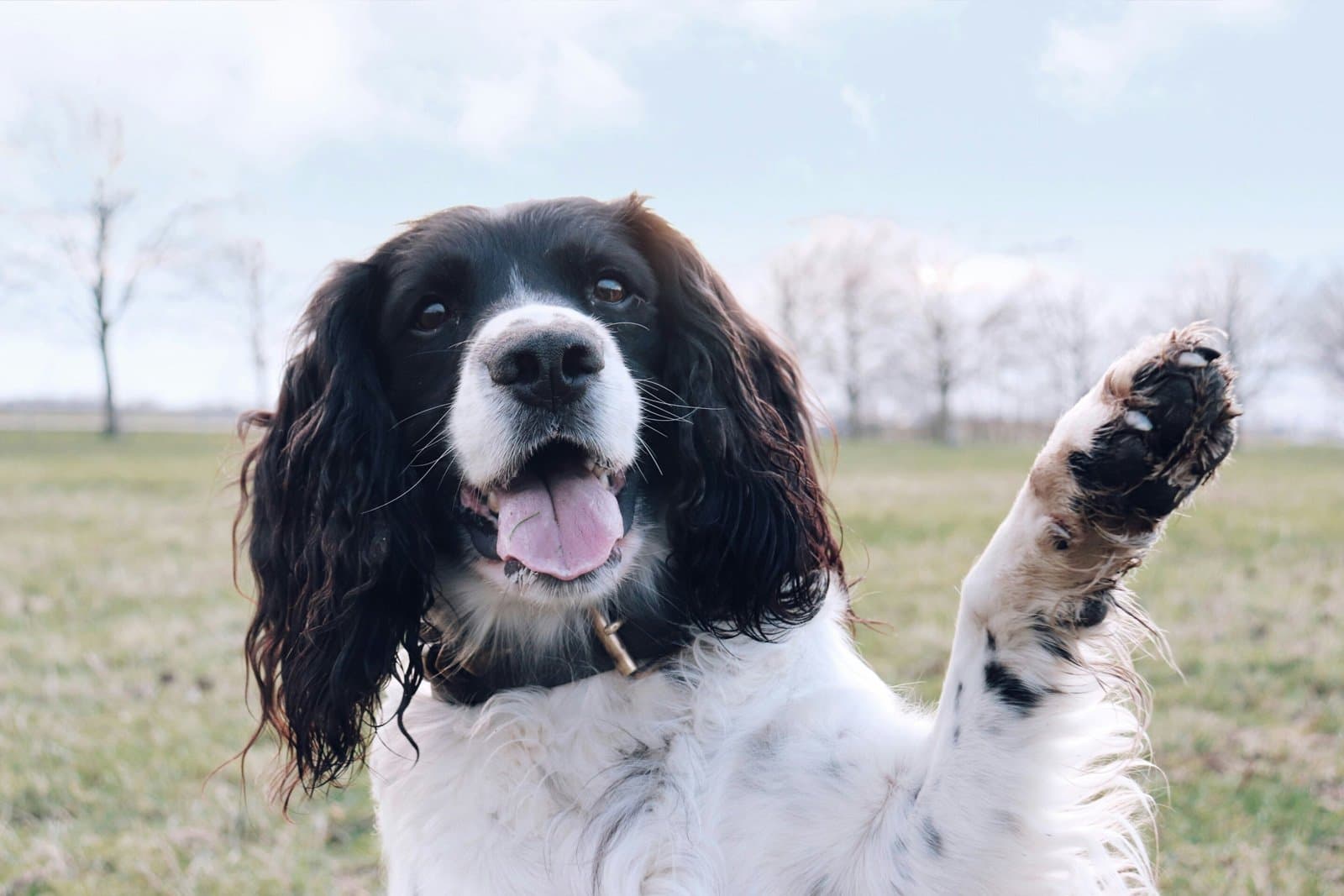
Why Reading Dog Body Language Matters
Most dog bites in the U.S. could have been prevented if the human noticed earlier signals. CDC data show that 4.5 million Americans are bitten by dogs each year — and most of those bites came after a sequence of escalating warning signals that were missed or misread.
Dogs communicate constantly through their body. Their tail, ears, eyes, mouth, posture, and movement deliver continuous information about how they feel and what they want. Most owners learn to read the obvious end states — happy tail wag, scared cower — but miss the subtler middle. Those middle signals are where you can intervene before stress becomes aggression.
This guide covers what to actually look for, the most-misread signals, and how to use the famous Ladder of Aggression to spot escalation before it gets serious.
The Whole Picture, Not Single Signals
The most important framing first: dog body language is read in clusters, not single signals. A wagging tail by itself means nothing — the speed, height, and stiffness of the wag, combined with eye position, ear set, and posture, tells you whether the dog is friendly, alert, anxious, or about to bite.
Look at five things together: tail, ears, eyes, mouth, and overall posture. Match what they are telling you against the context. The signals come fast and clusters change quickly.
The Tail
The tail is the most-watched and most-misread part of the dog. Watch:
- Position. Tail held above the spine signals alertness or arousal — not necessarily friendliness. Tail at spine level is neutral. Tail tucked under signals fear.
- Speed and width of wag. A loose, fast, wide wag from a relaxed dog is generally friendly. A high, fast, narrow wag with a stiff body is arousal — proceed with caution.
- Stiffness. A tail held rigidly — even if technically wagging — is a stress or alertness signal.
- Side preference. Research has shown wags biased to the right side correlate with positive emotion, biased to the left with negative. The asymmetry is subtle but real.
Common misread: a wagging tail does not mean a dog wants to be petted. The most aggressive dogs often have stiff, high, slow wags right before they bite.
The Ears
- Forward and erect: alert, focused, or aroused.
- Neutral, slightly back or relaxed: calm.
- Pinned flat back: fear, submission, or appeasement (sometimes friendly).
- One forward, one back: conflicted or uncertain.
Floppy-eared breeds (Labradors, Beagles, Cocker Spaniels) are harder to read. Watch the base of the ears and the dog's overall facial muscle tension instead of trying to read the ear shape itself.
The Eyes
- Soft eyes: almond-shaped, blink rate normal, focus diffuse. Calm.
- Hard eyes: dilated pupils, fixed stare, unblinking. Alert or arousal — possible aggression.
- Whale eye: the white of the eye visible (often when the dog is looking sideways without turning their head). Signals discomfort, conflict, or fear. A common pre-bite signal.
- Avoiding eye contact: social signal, often appeasement. Not aggression.
- Slow blinks: common in calming signals. The dog is signaling no threat.
The Mouth
- Loose, open mouth, sometimes called a soft mouth: relaxed.
- Tense, closed mouth: alert or stressed.
- Lip licking outside of mealtimes: stress, conflict, appeasement.
- Yawning when not tired: a calming signal indicating discomfort.
- Showing front teeth, lifted lip: warning. Take seriously.
- Showing back teeth (commissure pulled back): fear-based aggression. Often followed by bite if not de-escalated.
- Submissive grin: some dogs show their teeth as a friendly greeting. Read the rest of the body to distinguish.
Posture
- Loose, relaxed body, weight evenly distributed: calm.
- Forward weight, leaning toward something: interest or arousal.
- Backward weight, leaning away: avoidance or fear.
- Frozen, very still: high stress. Dogs often freeze right before biting. The freeze is a critical signal to disengage immediately.
- Play bow: front legs extended, rear up, tail wagging. Universal play invitation.
- Body lowered or rolled: appeasement or, in true submission, a request for the situation to end.
The Calming Signals
Norwegian dog trainer Turid Rugaas identified more than 30 small behaviors dogs use to defuse tense social situations or signal stress. The most common:
- Yawning outside of waking up or settling.
- Lip-licking outside of food contexts.
- Looking away or turning the head.
- Sniffing the ground in tense moments.
- Slow blinking.
- Walking in an arc rather than straight at another dog.
- Sitting or lying down.
- Sneezing.
- Shaking off as if wet.
These signals deserve respect. A dog using calming signals is communicating that they are uncomfortable. Pushing through them — by continuing the activity, leaning closer, or insisting on contact — escalates stress.
The Ladder of Aggression
Veterinary behaviorist Dr. Kendal Shepherd developed the Ladder of Aggression to visualize how dogs escalate when initial communication fails:
| Rung | Behavior |
|---|---|
| 1 (lowest) | Yawning, blinking, nose-licking |
| 2 | Turning head away |
| 3 | Turning body away, sitting, pawing |
| 4 | Walking away |
| 5 | Creeping, ears back |
| 6 | Standing crouched, tail tucked |
| 7 | Lying down, leg up |
| 8 | Stiffening up, staring |
| 9 | Growling |
| 10 | Snapping |
| 11 (highest) | Biting |
Dogs who consistently have lower-rung signals ignored eventually skip those rungs entirely and go straight to higher levels. The dog with no warning bark is not malicious — they often had their warnings punished or ignored until the dog learned that warnings are pointless.
Reading in Context
The same body language means different things in different contexts. A dog standing still with a high tail in a play setting is invited and exhilarated. The same posture in a vet's office is alert and stressed. Always factor:
- The environment (home, vet, park, street).
- Other dogs and people present.
- Recent events (was the dog just startled?).
- The dog's history (rescue with abuse history? confident family dog?).
What to Do When You See Stress Signals
- Stop whatever interaction is happening. Stop petting, stop approaching, stop the activity.
- Increase distance from the trigger.
- Give the dog an exit. Move out of their direct path. Let them choose.
- Avoid forcing reassurance. Hovering, hugging, or staring all increase stress.
- If you see escalation past growling, do not punish the warning. Punishing a growl removes the warning and increases bite risk later.
Special Situations
Strange dogs you encounter
The safest default with any unfamiliar dog: do not approach face-on, do not extend a hand toward the face, do not bend over the dog. Stand sideways, avoid direct eye contact, let the dog come to you. Most strangers approach dogs in exactly the wrong way and are surprised by negative reactions.
Children and dogs
Children under 6 misread dog signals at very high rates. Teach kids to wait for the dog to come to them, never hug or sit on a dog, and watch for the same stress signals adults watch for. Adult supervision is non-negotiable for any child-dog interaction.
Common Misreads
- Wagging tail = friendly. Often false. Read the rest of the body.
- Showing belly = submissive. Sometimes; often it is a stress signal asking the interaction to end.
- Yawning = sleepy. In a tense moment, it is a calming signal.
- Following you means love. Sometimes; often it is anxiety about being alone.
- Smiling dogs are happy. Some submissive grins look like smiles. Read context.
The Bottom Line
Reading dog body language is the foundational skill of every other aspect of living with dogs. Learn to read clusters of signals — tail, ears, eyes, mouth, posture together — in context, watch for the early signals on the ladder of aggression, and respect calming signals when you see them. Most dog bites are not surprises; they are missed conversations. The dog was speaking. We just had not learned the language yet.
For severe or persistent behavioral concerns, consult a certified dog trainer or veterinary behaviorist (DACVB).
RELATED READING
More from Pet Behavior

Pet Behavior
Separation Anxiety in Dogs: A Complete Guide
Up to 17% of U.S. dogs suffer from separation anxiety — a clinical panic disorder that produces real distress, real damage, and real suffering. Here is how to tell true separation anxiety from boredom, the evidence-based treatment plan, and when medication makes sense.
2026-05-08

Pet Behavior
Cat Body Language: A Complete Tail, Ear, and Eye Guide
Cats communicate as much as dogs do, but their signals are subtler and easier to miss. Here is the complete guide to reading your cat's tail, ears, eyes, whiskers, and posture — and what each combination tells you about how they actually feel.
2026-05-05

Pet Behavior
Resource Guarding in Dogs: How to Recognize and Manage Safely
Resource guarding — growling, snapping, or biting over food, toys, or space — is one of the most common reasons dogs are surrendered to shelters. The good news: with the right approach, most resource guarding is manageable. Here is what to do, what not to do, and when professional help is essential.
2026-05-03