PET BEHAVIOR · 6 MIN READ
Resource Guarding in Dogs: How to Recognize and Manage Safely
Resource guarding — growling, snapping, or biting over food, toys, or space — is one of the most common reasons dogs are surrendered to shelters. The good news: with the right approach, most resource guarding is manageable. Here is what to do, what not to do, and when professional help is essential.
Advertisement
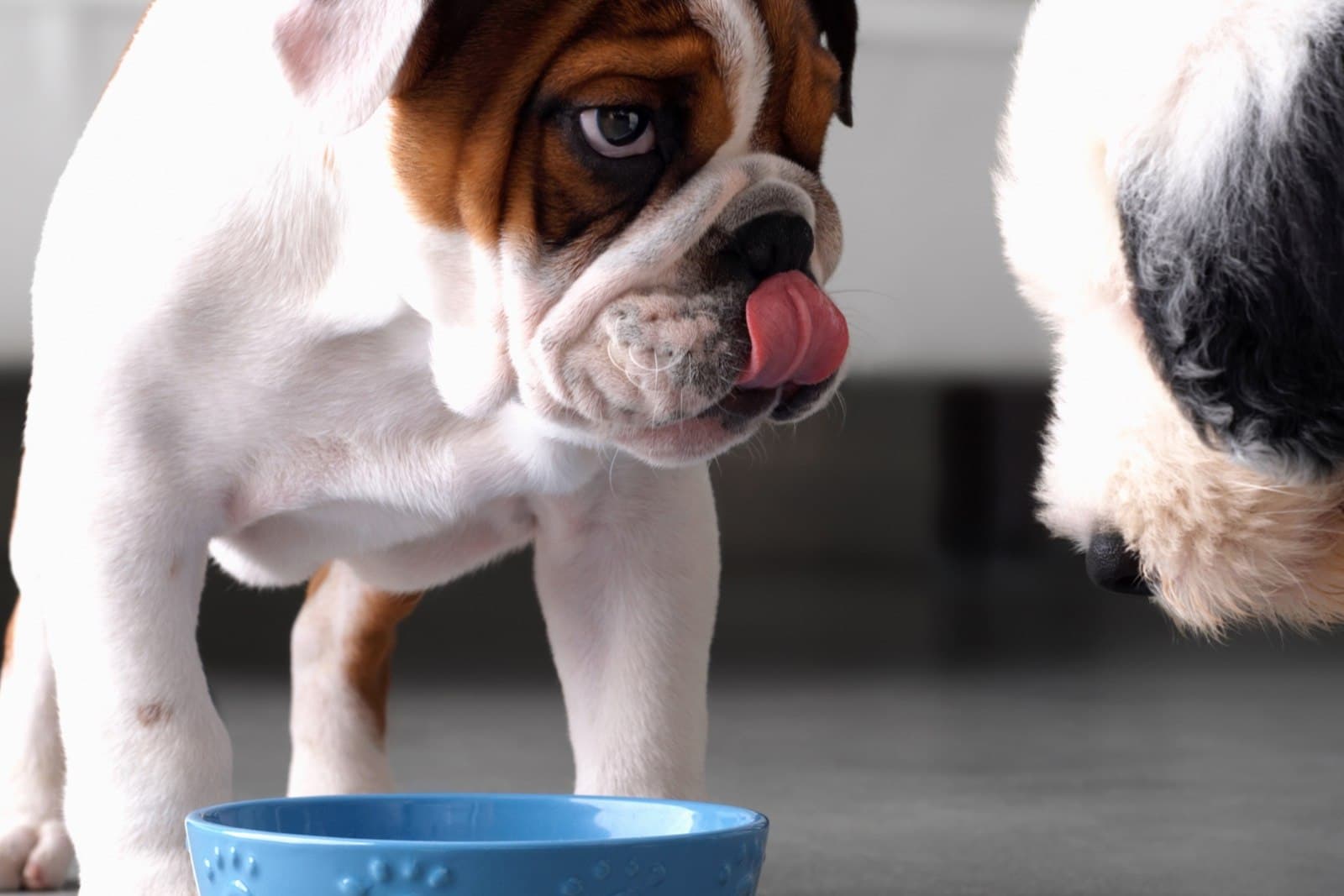
What Resource Guarding Is
Resource guarding is the dog's natural protective response to something they value. From a dog's perspective, it makes complete sense: if I have something good, I do not want anyone to take it. Wild canids and feral dogs guard food, mates, and territory. Domestic dogs inherited the same instinct.
The behavior becomes a problem when it scales beyond normal — when guarding involves growling, lunging, or biting at humans or other animals over everyday resources. Resource guarding is one of the most common reasons U.S. dogs end up in behavior consultations, and one of the most common reasons they are surrendered to shelters.
What Dogs Guard
- Food — bowl, dropped scraps, treats, edible chews.
- Toys — favorite or high-value items.
- Sleep spaces — beds, couches, the human's lap.
- People — guarding their human from approach by other people or pets.
- Found items — anything they pick up: tissues, socks, a leaf.
- Space — doorways, hallways, their crate.
Some dogs guard one specific category; others guard broadly. Severity ranges from mild posture changes to serious bite incidents.
The Spectrum of Severity
| Level | What it looks like |
|---|---|
| 1 — Subclinical | Eats faster when approached, body slightly stiffens. Most dogs do this; not a problem. |
| 2 — Mild | Freezes, side-eyes, low growl. Resolves when person walks away. |
| 3 — Moderate | Growling, lifted lip, snapping. No bite contact. |
| 4 — Significant | Air snap, contact bite without injury, persistent growling. |
| 5 — Severe | Bites that cause injury. Multiple bite incidents. |
Levels 1-2 are usually manageable at home. Levels 3-5 warrant a professional behaviorist.
Why You Should Never Punish Resource Guarding
The most common owner instinct — punishing the growl, taking the resource away to teach a lesson, staring the dog down — makes the problem dramatically worse. The reasons:
- The growl is a warning. It tells you the dog is uncomfortable. Punishing the warning teaches the dog to skip it next time and go straight to biting. Trainers and behaviorists call this removing the warning system.
- Confrontation increases anxiety. The dog learns that humans approaching their food or toys is genuinely threatening, which makes guarding worse, not better.
- Taking the resource confirms the fear. The dog now has direct evidence that humans are food thieves.
The evidence-based approach changes the dog's emotional response, not their behavior in the moment.
The Treatment Approach: Counterconditioning
The foundational protocol for resource guarding, popularized by Jean Donaldson in the book Mine!: A Practical Guide to Resource Guarding in Dogs, is counterconditioning — teaching the dog that humans approaching their stuff predicts something better, not something worse.
The basic exercise
- The dog has a low-value resource (a bit of kibble in their bowl, an old toy).
- You walk past at a distance the dog tolerates without guarding signs.
- As you pass, you toss a high-value treat (chicken, cheese) into or near the resource. Do not stop, do not approach further.
- Keep walking past.
The dog learns: human walks past = great thing happens. Over many repetitions, the emotional association shifts from threat to anticipation.
Progressing the protocol
- Start at a distance large enough that the dog shows no guarding signs at all.
- Increase difficulty gradually: closer, longer pause, slightly higher-value resource.
- Move from kibble to chews to truly high-value items only after weeks of success.
- Never push past a stress signal. Back up and add more easy repetitions.
Critical Safety Rules During Treatment
- Manage the environment. Do not let situations occur where the dog can guard against humans or animals. Pick up valuable items, feed in a quiet location, separate dogs at meals.
- Children must not approach the dog with valuable items. Most serious bites involve children and food. No exceptions.
- Use baby gates and crates as space management. Not as punishment.
- Never take items from a guarding dog by hand. Trade for a higher-value item, or wait until the dog leaves the area, or use a long-line if outdoors.
The Trade Game
Teach a drop it or trade cue using the trade game:
- Offer the dog a low-value item.
- Once they have it, offer a higher-value treat in your other hand.
- When the dog releases the item to take the treat, mark drop! and reward.
- Pick up the original item, then return it to the dog (so the dog learns drops are not losses).
- Practice many times daily with safe, low-value items.
Over time, the dog learns that giving things up is profitable. This generalizes — within weeks, most dogs will spit out items on cue without resistance.
When to Bring in Professionals
Some resource guarding cases are not safe to work with at home. Get professional help if:
- The dog has bitten anyone in the household, even once.
- Children live in the home.
- The guarding has escalated despite consistent management.
- You feel afraid of your dog in any situation.
- Multiple resources are guarded across many contexts.
The right professional is a Certified Dog Behavior Consultant (CDBC) or board-certified veterinary behaviorist (DACVB). General trainers without specific behavioral credentials are not appropriate for serious aggression cases. Many veterinary behaviorists also incorporate medication (typically SSRIs) for severe cases — anxiety reduction makes behavior modification dramatically more effective.
What Resource Guarding Is Not
- Dominance. Modern behaviorists reject this framing. The dog is not trying to be alpha; they are anxious about losing something they value.
- A character flaw. It is a normal canine behavior expressed at problematic intensity, often due to learning history or anxiety.
- The owner's fault, necessarily. Many resource-guarding dogs have always guarded; rescue dogs often arrive with the behavior already established.
- Untreatable. The vast majority of cases respond well to counterconditioning. Most dogs become fully safe to live with.
Preventing Resource Guarding in Puppies
Better than treatment is prevention. With young puppies:
- Approach during meals and drop high-value treats into the bowl. The puppy learns approach = good things, not threats.
- Practice gentle hand-feeding occasionally so being near the food is normal.
- Trade for valued items frequently, then return them.
- Avoid taking food from puppies abruptly without offering something better.
- Teach drop it early using the trade game.
These practices build a positive association with humans approaching valued items from day one, dramatically reducing future guarding risk.
Multi-Pet Household Guarding
Dog-to-dog guarding is also common and managed similarly:
- Feed dogs in separate rooms or behind baby gates.
- Pick up high-value items (chews, toys) when supervision is not active.
- Address one-on-one before allowing access to shared resources.
- Consult a professional if any dog has bitten another dog more than once.
How Long Treatment Takes
Mild guarding (Levels 1-2) often improves dramatically within 2-4 weeks of consistent counterconditioning. Moderate cases (Level 3) typically take 2-4 months. Severe cases (Levels 4-5) often need 6-12 months of structured work, frequently with medication support and professional guidance throughout. The dog who has been guarding for years did not learn it overnight, and the unlearning takes patience.
The Bottom Line
Resource guarding is normal canine behavior expressed at problematic intensity. The treatment is structured counterconditioning that changes the dog's emotional response — not punishment that suppresses the warnings while leaving the underlying anxiety untouched. Most dogs improve dramatically with consistent work; some need professional support; almost all can be made safe to live with through patient, evidence-based intervention.
For severe or persistent behavioral concerns, consult a certified dog trainer or veterinary behaviorist (DACVB).
RELATED READING
More from Pet Behavior
Pet Behavior
Separation Anxiety in Dogs: A Complete Guide
Up to 17% of U.S. dogs suffer from separation anxiety — a clinical panic disorder that produces real distress, real damage, and real suffering. Here is how to tell true separation anxiety from boredom, the evidence-based treatment plan, and when medication makes sense.
2026-05-08
Pet Behavior
Understanding Dog Body Language
Most dog bites in the U.S. could have been prevented if the human noticed earlier signals. Learn to read the full conversation — tail, ears, eyes, mouth, posture — including the famous Ladder of Aggression and the calming signals dogs use to defuse stress.
2026-05-07

Pet Behavior
Cat Body Language: A Complete Tail, Ear, and Eye Guide
Cats communicate as much as dogs do, but their signals are subtler and easier to miss. Here is the complete guide to reading your cat's tail, ears, eyes, whiskers, and posture — and what each combination tells you about how they actually feel.
2026-05-05