PET BEHAVIOR · 6 MIN READ
Separation Anxiety in Dogs: A Complete Guide
Up to 17% of U.S. dogs suffer from separation anxiety — a clinical panic disorder that produces real distress, real damage, and real suffering. Here is how to tell true separation anxiety from boredom, the evidence-based treatment plan, and when medication makes sense.
Advertisement
The Scale of the Problem
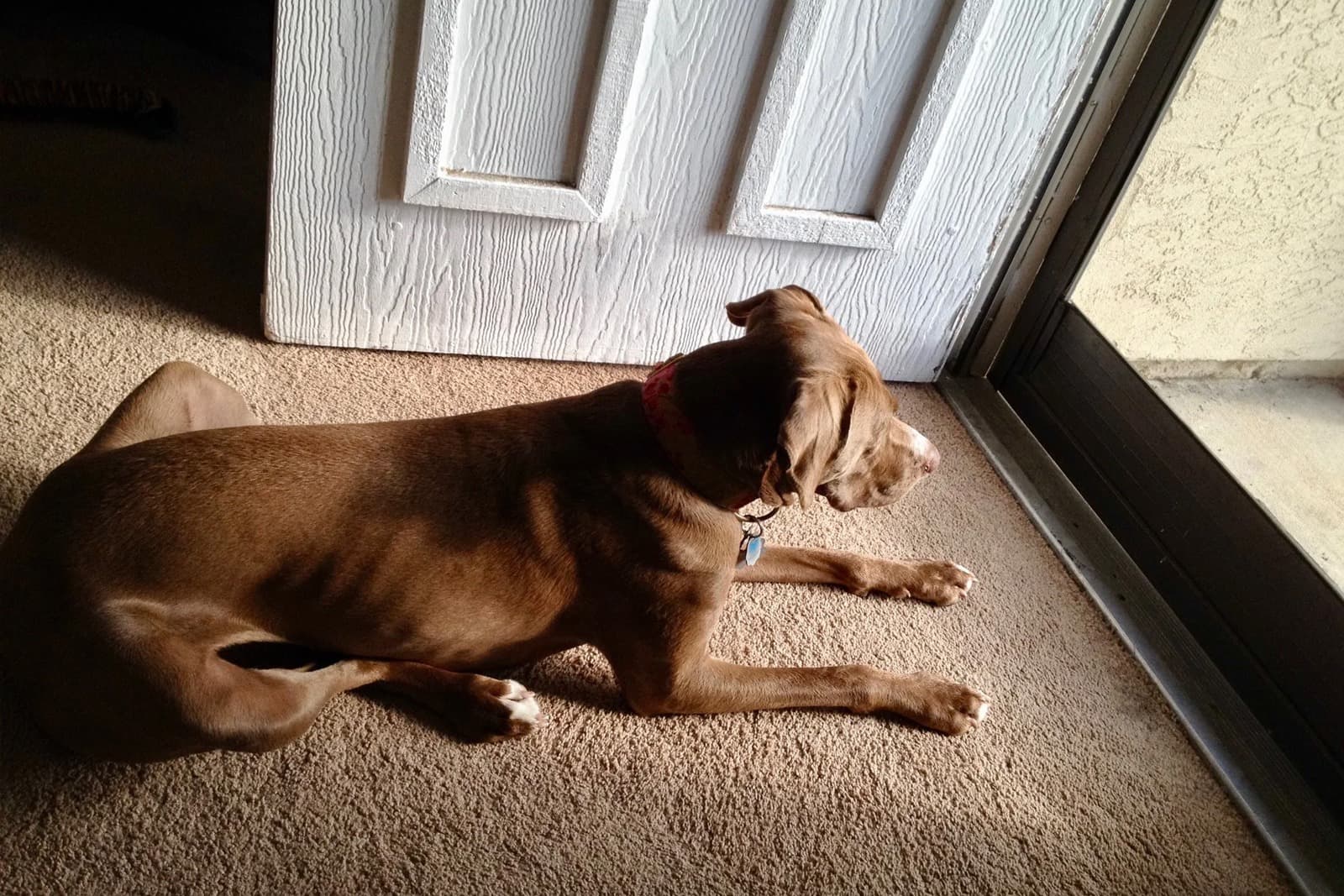
Separation anxiety affects an estimated 17% of U.S. dogs, making it one of the most common behavioral disorders in pet dogs. The condition is not a training problem — it is a genuine panic disorder, with measurable physiological responses that include elevated heart rate, cortisol elevation, and sometimes self-injurious behavior.
Because the symptoms only show up when the owner is gone, separation anxiety is also one of the most under-recognized conditions. Many dogs whose owners describe them as well-behaved at home turn out to be panicking, vocalizing, eliminating, or destroying property the moment they are alone.
This guide explains what separation anxiety is, how to distinguish it from other problems that look similar, the evidence-based treatment approach, and when medication is appropriate.
True Separation Anxiety vs Other Behaviors
Many behaviors mistaken for separation anxiety are actually:
- Boredom — destruction of low-value items, chewing on furniture, mild barking, moderate pacing. Resolves with more exercise and enrichment.
- Lack of housetraining — accidents that happen anywhere, not specifically when alone.
- Greeting frustration — excessive excitement on return without genuine distress while alone.
- Confinement intolerance — distress in a crate even when the owner is home.
True separation anxiety has specific characteristics:
- Begins within minutes of departure (not hours).
- Occurs every time the dog is alone, not just sometimes.
- Includes signs of genuine panic: hyper-salivation, dilated pupils, tremor, attempts to escape regardless of injury.
- Resolves immediately on the owner's return.
The most reliable diagnostic tool is video. Set up a camera or use a smart device to record what your dog does after you leave. The behaviors in the first 5-30 minutes tell the story.
The Signs to Watch For
While you prepare to leave
- Pacing or following you intensely.
- Whining, panting, drooling.
- Hiding or attempting to block the door.
- Refusing food or treats they would normally take.
After you leave
- Vocalization (barking, howling, whining) often within seconds.
- Destruction concentrated near exits — doors, windows, doorframes.
- Urinating or defecating in housetrained dogs.
- Self-injury: bleeding paws or mouth from attempting to escape.
- Excessive panting or salivation when no exercise has occurred.
On your return
- Frantic greeting that takes minutes to settle.
- Following you closely for hours afterward.
What Causes It
Separation anxiety has multiple contributing factors:
- Genetic predisposition. Some breeds (Vizslas, Border Collies, Doodles) appear more prone.
- Lack of early independence training. Puppies who are never alone during the critical socialization window may fail to develop alone-tolerance.
- Major life changes. Schedule shifts (return to office), moves, loss of another pet, or loss of a family member can trigger onset.
- Rescue history. Dogs surrendered, abandoned, or rehomed multiple times have higher rates.
- Underlying medical conditions. Pain, cognitive decline (in seniors), thyroid disease, and other medical issues can worsen anxiety.
Why Standard Fixes Make It Worse
Owner instincts are often the opposite of what a panicking dog needs:
Punishment for destruction
Coming home and scolding a dog for destroyed property does not teach them not to destroy. They cannot connect punishment 4 hours after the act with the act itself. They learn that owner returns are unpredictable and frightening, which deepens the underlying anxiety.
Tough love — leaving them longer
Forcing a dog to get used to it by leaving them alone for longer periods makes anxiety worse, not better. The dog rehearses panic each time, strengthening the neural pathways. Some dogs develop self-injury that requires veterinary care.
Adding another pet for company
Most dogs with separation anxiety are anxious about your absence specifically, not about being alone in general. Another pet sometimes helps mildly anxious dogs but is rarely a fix for true separation anxiety, and it adds another life to your household.
Exercise alone
Tired dogs are easier to live with, but exercise does not address the panic itself. A high-exercise dog can still panic when alone.
Crating without training
Crating an anxious dog often makes the panic worse. Some dogs injure themselves trying to escape — fractured teeth, bleeding paws, broken nails.
The Evidence-Based Treatment Plan
Step 1: Confirm the diagnosis
Video your dog when alone. Document specific behaviors and their timing. Bring this to your vet for a behavioral consultation. Rule out medical contributors with bloodwork.
Step 2: Implement absolute management
While treatment is being developed, the dog should not be left alone in a way that triggers panic. This often means:
- Daycare during work hours.
- Pet sitters or dog walkers covering gaps.
- Working from home or having family members rotate coverage.
- Boarding only with familiar people the dog trusts.
Every panic episode reinforces the disorder. Preventing episodes during treatment is critical.
Step 3: Desensitization and counterconditioning
The treatment is structured exposure to absences below the dog's panic threshold, gradually extended. The protocol is far slower than most owners expect — often working up from 30 seconds alone over weeks or months. Working with a Certified Separation Anxiety Trainer (CSAT) or veterinary behaviorist is the highest-yield investment.
Step 4: Address pre-departure cues
Many dogs panic in response to specific cues that predict departure: keys, shoes, laptop bag. Treatment includes performing these cues without leaving until they no longer trigger the response.
Working with a CSAT
A Certified Separation Anxiety Trainer (CSAT) is specifically trained in modern separation anxiety protocols, primarily based on Malena DeMartini's evidence-based methodology. Most CSATs work remotely via video, which is well-suited to this disorder. Typical engagement:
- Initial assessment (1-2 hours): video review, history, behavior plan.
- Weekly missions: specific exposure exercises performed at home.
- Daily check-ins via app or platform.
- Adjustments based on the dog's response.
Cost: typically $1,500-$5,000 for a 3-6 month engagement. A worthwhile investment if your dog meets criteria.
Medication Options
For moderate to severe cases, medication accelerates progress and reduces the dog's daily distress. Two FDA-approved options:
Reconcile (fluoxetine)
An SSRI antidepressant, the same class as Prozac in humans. Once-daily flavored chewable. Typically takes 4-6 weeks for full effect. FDA-approved for canine separation anxiety. In one study, 72% of dogs given fluoxetine plus behavior modification improved versus 50% on placebo plus behavior modification.
Clomicalm (clomipramine)
A tricyclic antidepressant, also FDA-approved for canine separation anxiety. Twice-daily dosing. Some dogs respond better to clomipramine than fluoxetine.
Sileo (dexmedetomidine gel)
An alpha-2 agonist used short-term for noise-related anxiety. Not specifically for separation anxiety but sometimes combined with other treatment for acute panic episodes during transitions. Given as an oral gel 30-60 minutes before a known triggering event.
The medication conversation
Medication is not a substitute for behavior modification — it makes behavior modification possible by reducing the dog's daily anxiety load. Most dogs are eventually weaned off medications after sustained progress, but some benefit from long-term use. The decision belongs with your vet or veterinary behaviorist.
Realistic Timeline
| Stage | Typical duration |
|---|---|
| Initial assessment + medication onset | 4-6 weeks |
| Sub-threshold exposure work | 1-3 months |
| Reaching 30+ minute alone-tolerance | 3-6 months |
| Reaching 4+ hour tolerance | 6-12 months |
| Full resolution | 6-24 months |
Some dogs do not reach full resolution and require ongoing management. That is not a failure — it is the reality of working with a clinical anxiety disorder. The goal is functional improvement and reduced daily suffering, not always cure.
Prevention in Puppies
Better than treatment is prevention. For puppies and newly adopted dogs:
- Practice short, calm departures from week one. Leave the dog alone for 1-5 minutes initially, returning calmly without fanfare.
- Build a positive crate or alone-space association with food puzzles and chews.
- Avoid prolonged constant companionship in the early months. Even 30 minutes alone per day during socialization windows builds resilience.
- Practice independence even when you are home — the dog in another room with a chew, you in a different space.
- Avoid dramatic departures and reunions. Calm, low-key transitions teach the dog these are non-events.
The Bottom Line
True separation anxiety is a clinical disorder, not a training problem, and the standard owner instincts often make it worse. The evidence-based path is structured: confirm the diagnosis, prevent panic episodes during treatment, work with a CSAT or veterinary behaviorist on graduated exposure, and consider medication for moderate to severe cases. The timeline is months, not weeks — but most dogs improve dramatically when the right plan is followed consistently. The dog who panics today is not destined to panic forever; they are signaling for help they cannot give themselves.
For severe or persistent behavioral concerns, consult a certified dog trainer or veterinary behaviorist (DACVB).
RELATED READING
More from Pet Behavior
Pet Behavior
Understanding Dog Body Language
Most dog bites in the U.S. could have been prevented if the human noticed earlier signals. Learn to read the full conversation — tail, ears, eyes, mouth, posture — including the famous Ladder of Aggression and the calming signals dogs use to defuse stress.
2026-05-07

Pet Behavior
Cat Body Language: A Complete Tail, Ear, and Eye Guide
Cats communicate as much as dogs do, but their signals are subtler and easier to miss. Here is the complete guide to reading your cat's tail, ears, eyes, whiskers, and posture — and what each combination tells you about how they actually feel.
2026-05-05

Pet Behavior
Resource Guarding in Dogs: How to Recognize and Manage Safely
Resource guarding — growling, snapping, or biting over food, toys, or space — is one of the most common reasons dogs are surrendered to shelters. The good news: with the right approach, most resource guarding is manageable. Here is what to do, what not to do, and when professional help is essential.
2026-05-03