PET TRAINING · 6 MIN READ
The Puppy Socialization Window: Why 3-16 Weeks Matters Most
The single most important window in a dog's behavioral development closes at 16 weeks. Here is what to do during it, why it matters more than any obedience class later, and the AVSAB-approved approach to socializing safely before vaccines are complete.
Advertisement
The Window That Shapes Everything
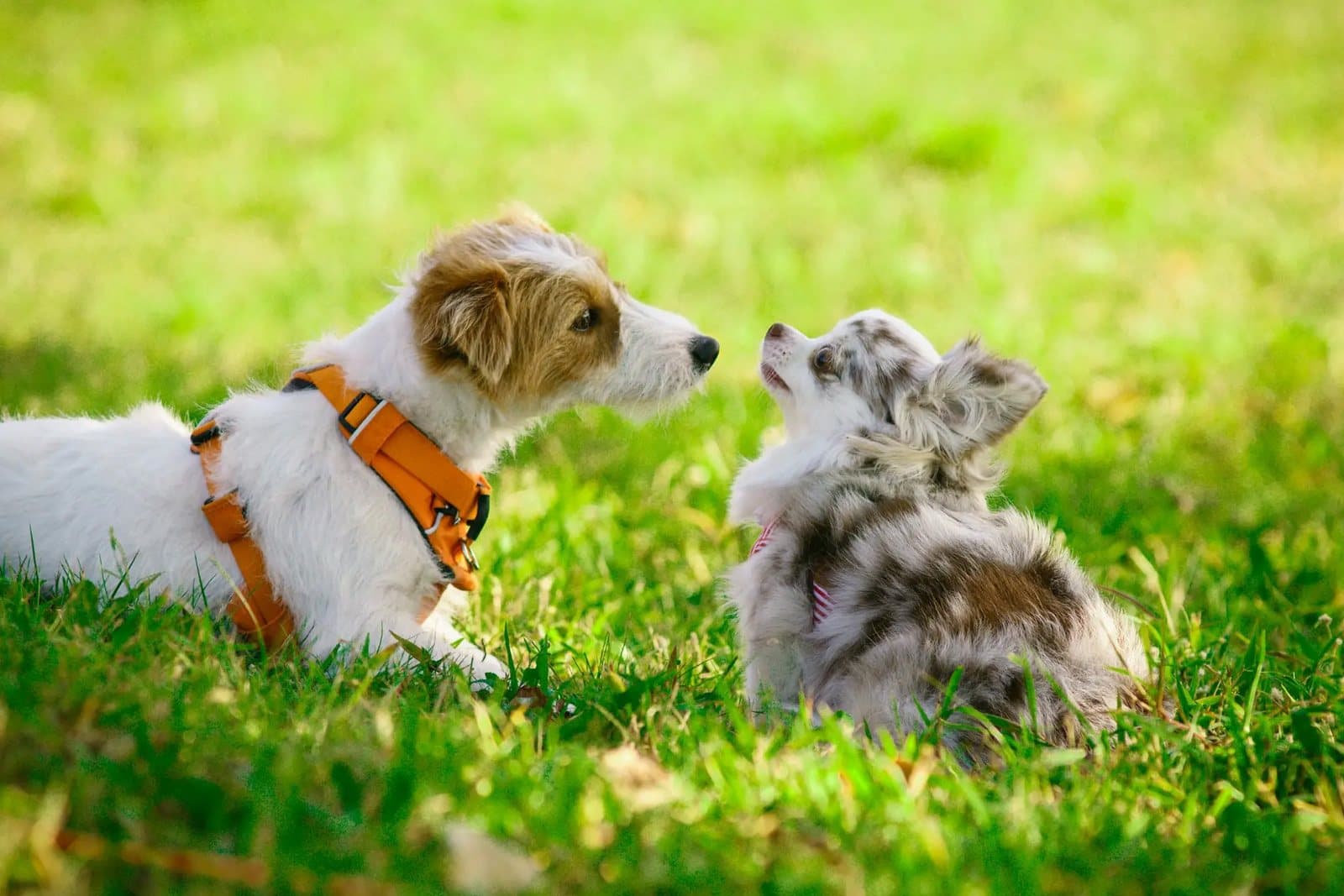
Most dog behavior problems that show up in adolescence and adulthood — fear of strangers, reactivity to other dogs, fear of loud noises, anxiety in new environments — trace back to one specific developmental period. Between roughly 3 and 16 weeks of age, a puppy's brain is in a unique state where novel experiences are encoded as familiar and safe rather than potentially threatening. After 16 weeks, that automatic acceptance fades, and unfamiliar things start to be evaluated as potential threats.
The American Veterinary Society of Animal Behavior (AVSAB) position is unambiguous: the first three months of life is the most important socialization window, and the long-term costs of missing it are higher than the short-term infectious-disease risks of attending a well-run socialization class before vaccines are complete. AVSAB notes that more deaths in dogs under three are caused by behavioral issues than by infectious disease.
This article explains what the window is, why it matters, and a practical 13-week plan for using it well.
What Socialization Actually Means
Socialization is not playing with other dogs. It is positive exposure to as many things as possible during the critical window so the puppy learns that the world is safe. The goal is for the puppy to encounter — and have a good experience with — the full range of people, animals, sounds, surfaces, environments, and situations they will face for the rest of their life.
Done well, socialization produces a confident adult dog. Done poorly or not at all, it produces an adult dog whose default response to anything new is fear or reactivity — a problem that often takes years of careful behavior modification to undo.
When the Window Opens and Closes
| Age | Stage | What Happens |
|---|---|---|
| 0-3 weeks | Neonatal | Puppy is with mother; eyes and ears not yet open. Limited learning. |
| 3-5 weeks | Transition | Senses develop. Puppy begins to interact with littermates and environment. |
| 3-12 weeks | Primary socialization | Most receptive period. Brain rapidly forms positive associations with familiar things. |
| 8-16 weeks | Late socialization | Window narrows. Fear responses develop. Still receptive but harder. |
| 8-11 weeks | First fear period | Brief sensitive phase. Bad experiences can leave lasting impressions. |
| 16+ weeks | Window largely closed | Novel things now evaluated as potential threats. Socialization still possible but slower. |
The Vaccination Question
The most common reason puppies do not get socialized is that owners are told to keep them isolated until the puppy vaccine series is complete at 16 weeks. By that point, the most important window is already closing.
The AVSAB position, endorsed by the AAHA, is that the risk of behavioral problems from skipping socialization is greater than the risk of infectious disease from controlled early exposure. Specifically:
- Puppies can begin a socialization class as early as 7-8 weeks if the puppy has had at least one set of vaccines and a deworming, and the class is held indoors on a clean, sanitized floor.
- Off-leash dog parks, pet store floors, and high-traffic public sidewalks should still be avoided until vaccines are complete.
- Carrying the puppy or using a stroller for outings allows exposure without ground contact during the early weeks.
- Inviting friends and well-vaccinated adult dogs to your home is fully safe.
The 100-Things Checklist
Veterinary behaviorists recommend exposing puppies to 100 different positive experiences before 16 weeks. This sounds like a lot until you start counting; aim for variety rather than volume.
People (target: 30+)
- Men with beards, women, children of all ages, teenagers.
- People in hats, sunglasses, hoods, helmets, uniforms.
- People using wheelchairs, walkers, canes.
- People of different ethnicities and skin tones.
- Delivery workers, mail carriers, joggers.
Other animals (target: 15+)
- Friendly, vaccinated adult dogs of varied sizes.
- Other puppies in controlled play.
- Cats (in safe, controlled introductions).
- Livestock from a distance if relevant to your area.
Surfaces and textures (target: 15+)
- Grass, gravel, sand, mulch, dirt.
- Tile, hardwood, carpet, linoleum.
- Metal grates, wet surfaces, slippery surfaces.
- Stairs (carpeted, then bare).
Sounds (target: 15+)
- Vacuum, blender, hair dryer, doorbell.
- Thunder, fireworks (recordings at low volume), traffic.
- Children playing, sirens, garbage trucks.
Environments (target: 15+)
- Different rooms in your home, neighbors' homes.
- Pet-friendly stores (carried during early weeks).
- Quiet outdoor cafés, parks.
- Vet clinic for happy visits (no exam, just treats).
- Car rides of varying lengths.
Handling (daily)
- Touching paws, ears, mouth, tail.
- Brushing, nail trimming attempts.
- Gentle restraint as for vet exam.
- Wearing collar, harness, leash.
The Critical Rule: Make Every Exposure Positive
The goal is not exposure for its own sake. The goal is positive exposure. A puppy who is overwhelmed by a loud parade has had a bad experience that may now make parades a lifelong fear trigger. Watch for stress signals and back away from anything that overwhelms them.
Signs your puppy is comfortable
- Loose body, wagging tail.
- Willing to take treats.
- Curious, exploratory behavior.
- Brief moments of caution followed by approach.
Signs your puppy is overwhelmed
- Tucked tail, lowered body.
- Refusing treats they would normally take.
- Trying to flee, hiding behind you.
- Trembling, shaking, panting heavily.
- Yawning, lip-licking outside of food contexts.
If you see overwhelm signals, increase distance from the trigger, return to a calmer environment, and try the exposure again later in a less intense form. Forcing through fear creates the lasting trauma you are trying to avoid.
The 8-11 Week Fear Period
Around 8-11 weeks of age, most puppies pass through a brief sensitive period sometimes called the first fear period. During this window, a single bad experience can leave a lasting impression. Common mistakes during this period:
- Painful or scary first vet visits without treat-based counterconditioning.
- Being attacked or roughly played with by an adult dog.
- Loud, sudden noises (fireworks, slammed doors).
- Forced interactions with strangers who insist on petting.
This is not a reason to keep the puppy in a bubble — it is a reason to be especially thoughtful about quality of experiences during this window.
What If You Adopted an Older Puppy or Adult Dog?
If your puppy is past 16 weeks, or you adopted an adult dog with unknown socialization history, the window is closed but not the door. Adult dogs absolutely learn new associations — it just takes more careful work and longer timelines.
Use the same principles: positive exposure at distance and intensity the dog can handle, paired with high-value rewards. Progress is measured in weeks and months rather than days. For adults with significant fear or reactivity, work with a certified positive-reinforcement trainer or veterinary behaviorist; the right help can transform an anxious adult dog within months.
Puppy Socialization Classes
A well-run puppy class is one of the highest-leverage things you can do during the window. Look for:
- Held indoors on sanitized floors.
- Requires age-appropriate vaccination history.
- Limited to puppies under 16 weeks.
- Mixed sizes and breeds for diverse exposure.
- Off-leash play with intervention from instructors when play gets too rough.
- Instructor uses positive-reinforcement methods only.
Avoid classes that use prong collars, e-collars, or alpha-roll demonstrations. These are inconsistent with current AVSAB guidance and can cause lasting damage during the sensitive window.
The Bottom Line
The 3-16 week window is the single most consequential developmental period in your dog's life. Use it. Plan exposures intentionally, prioritize quality over quantity, and pair every new experience with food and calm presence. A confident, friendly adult dog is almost always the result of a well-socialized puppy — and the work happens in the first three months, not in the obedience class you take at six months.
For severe behavioral issues, consult a certified dog trainer or veterinary behaviorist.
RELATED READING
More from Pet Training
Pet Behavior
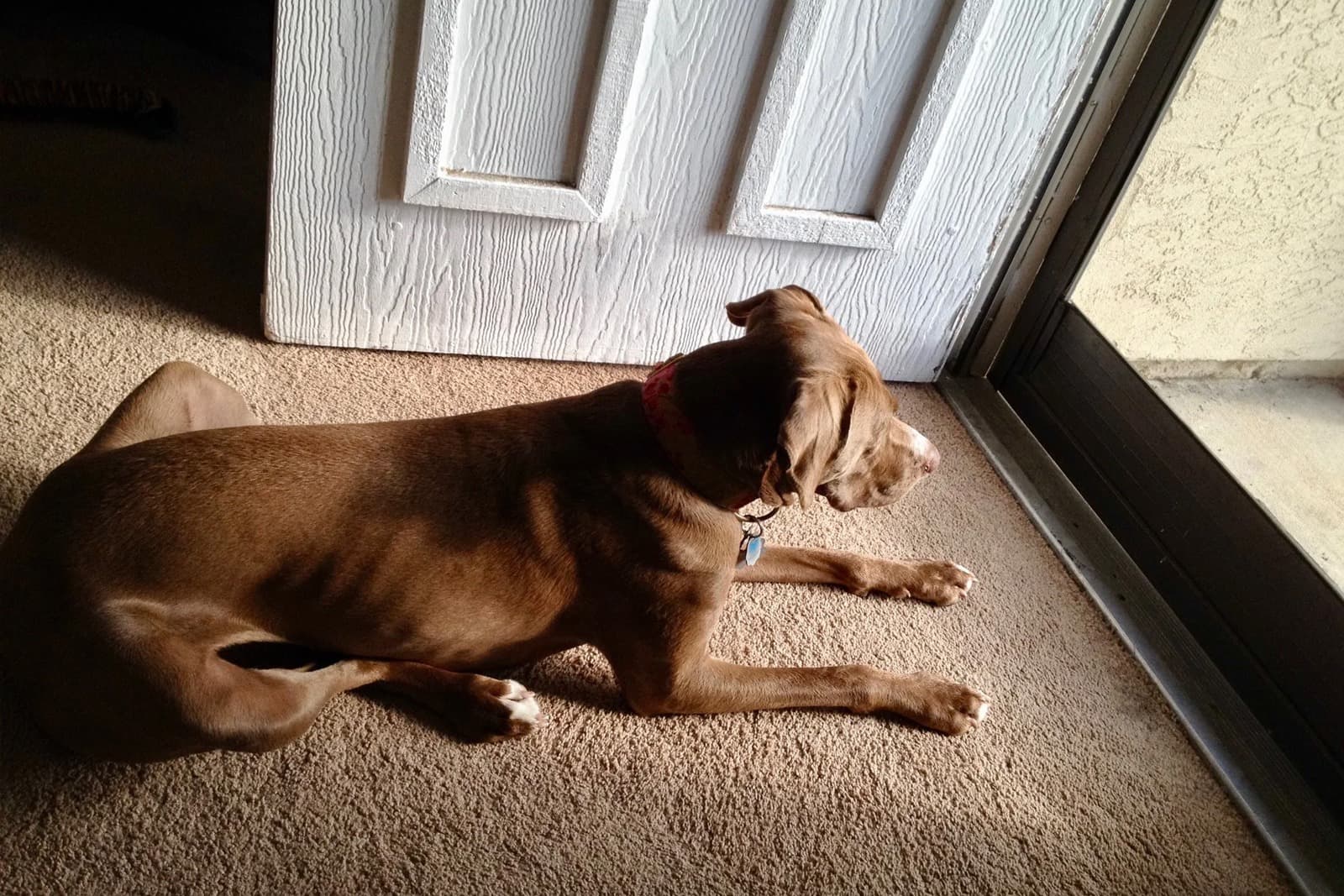
Separation Anxiety in Dogs: A Complete Guide
Up to 17% of U.S. dogs suffer from separation anxiety — a clinical panic disorder that produces real distress, real damage, and real suffering. Here is how to tell true separation anxiety from boredom, the evidence-based treatment plan, and when medication makes sense.
2026-05-08
Pet Behavior
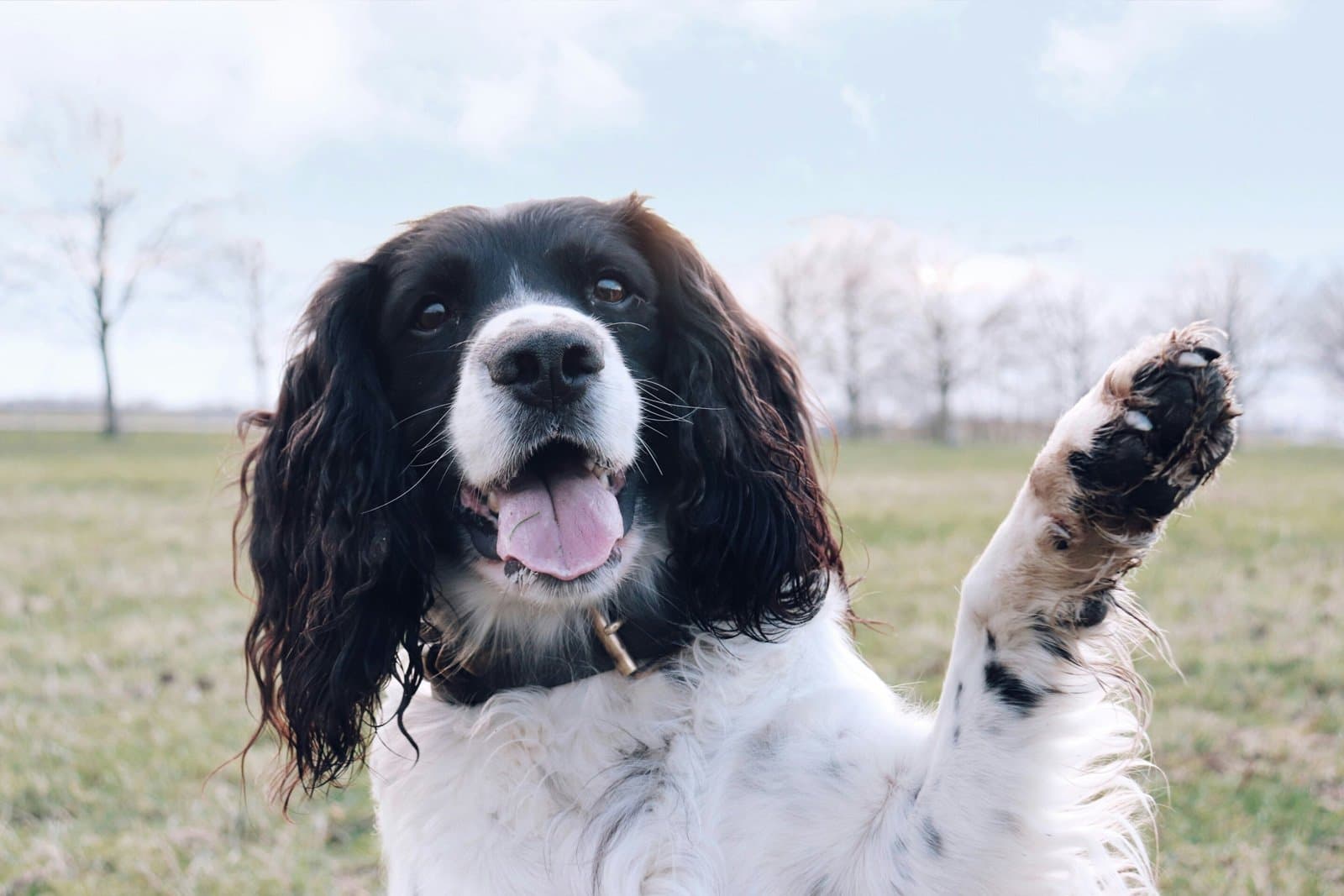
Understanding Dog Body Language
Most dog bites in the U.S. could have been prevented if the human noticed earlier signals. Learn to read the full conversation — tail, ears, eyes, mouth, posture — including the famous Ladder of Aggression and the calming signals dogs use to defuse stress.
2026-05-07

Pet Behavior
Cat Body Language: A Complete Tail, Ear, and Eye Guide
Cats communicate as much as dogs do, but their signals are subtler and easier to miss. Here is the complete guide to reading your cat's tail, ears, eyes, whiskers, and posture — and what each combination tells you about how they actually feel.
2026-05-05