PET BEHAVIOR · 5 MIN READ
Cat Body Language: A Complete Tail, Ear, and Eye Guide
Cats communicate as much as dogs do, but their signals are subtler and easier to miss. Here is the complete guide to reading your cat's tail, ears, eyes, whiskers, and posture — and what each combination tells you about how they actually feel.
Advertisement
Why Cat Body Language Matters
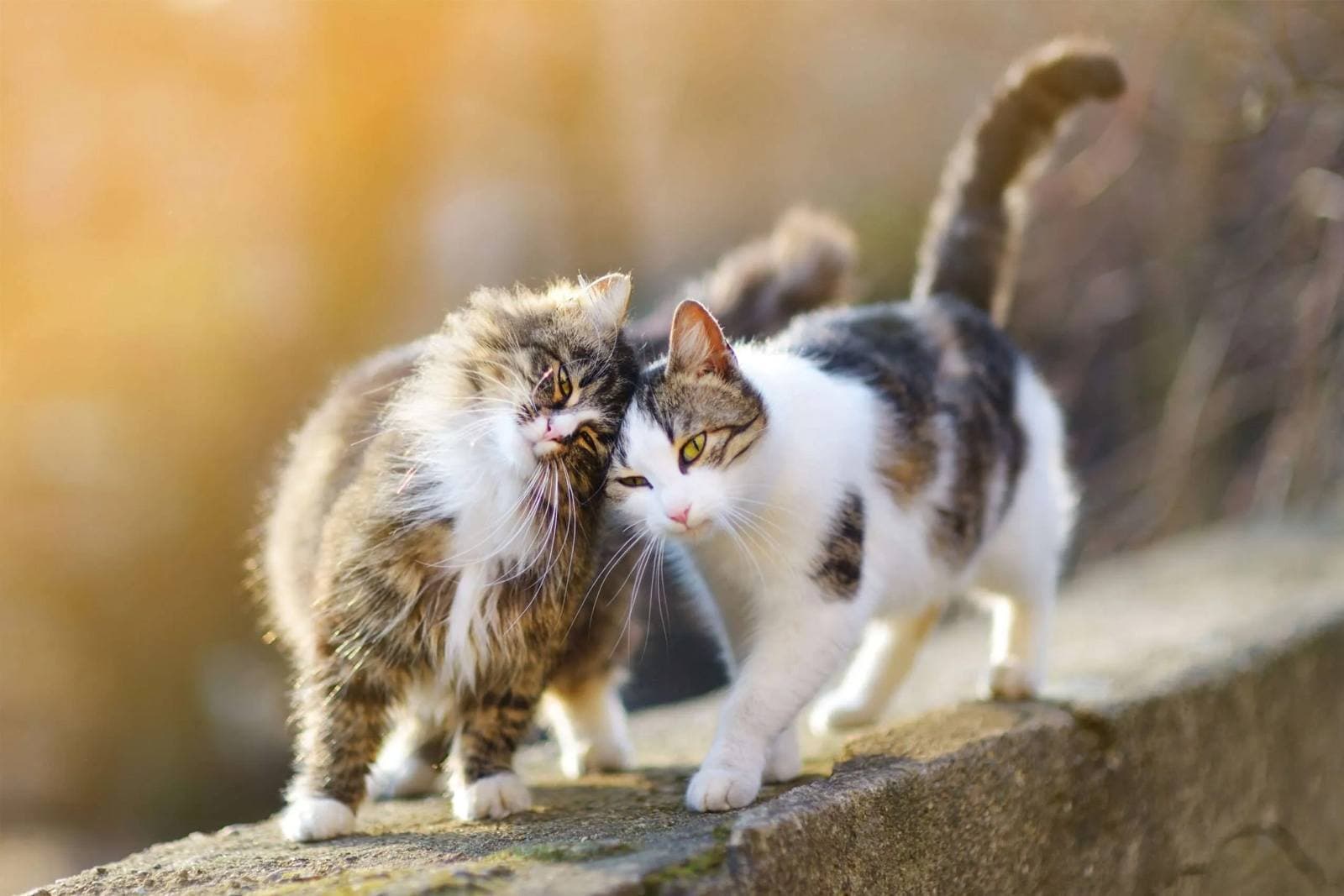
One of the biggest myths about cats is that they are inscrutable. They are not. Cats communicate continuously through their body, often with the same precision dogs do — but they speak in smaller signals. A flicked tail tip, a slight ear rotation, a held-back whisker can each tell you the cat's exact state of mind, if you know what to look for.
Most cat behavior problems — biting that comes out of nowhere, scratching, hiding, urinating outside the box — are preceded by hours or days of body language signals owners missed. Learning to read your cat is the foundation of every other piece of cat care.
Read in Clusters, Not Single Signals
Like dogs, cats communicate in combinations. Tail position alone tells you something; tail position plus ear position plus eye state tells you a great deal more. Always check at least three areas before drawing conclusions.
The Tail
The cat's tail is the single most expressive part of their body.
| Tail position | What it usually means |
|---|---|
| Straight up, sometimes with a question-mark hook | Confident, friendly greeting |
| Straight up, quivering | Excited, happy (also urine-spraying posture in unspayed males) |
| Held out level with the spine | Neutral, alert, exploring |
| Low and curled around the body | Calm, but defensive if approached |
| Tucked under the body | Fearful or submissive |
| Puffed up like a bottle brush | Frightened or aggressive — making themselves bigger to threats |
| Lashing or thumping side to side | Agitated, irritated — about to bite or scratch |
| Quick tip flicks | Mild irritation or focused attention (hunting) |
The single most missed signal: a flicking tail tip. Owners often think a cat allowing petting while their tail flicks is enjoying it. The tail tip flick is irritation. Continuing to pet usually leads to a swat or bite — what looks like sudden aggression is actually the predicted endpoint of ignored signals.
The Ears
- Forward and upright: alert, interested, friendly.
- Slightly to the sides, neutral: calm.
- Airplane ears (rotated outward, flattened to the sides): stress, anxiety, or fear. This is one of the earliest stress signals.
- Pinned back flat against the head: aggression or extreme fear. Usually paired with hissing or growling. Disengage immediately.
- One forward, one back: conflicted attention or uncertainty.
The Eyes
Pupils
- Normal slit pupils in good light: calm.
- Dilated pupils in good light: excited, fearful, or aggressive. Context tells you which.
- Slit pupils in low light: can indicate aggression or focused attention if light alone does not explain it.
Eye contact and blinking
- Slow blinks: the cat trusts you and feels safe. Research has shown the slow blink strengthens the human-cat bond. Blink slowly back to communicate the same.
- Hard, unblinking stare: alert, possibly hostile. Especially in multi-cat households, this is a dominance display.
- Eyes squinted or partially closed: often pain or illness. Combined with reduced grooming, suspect medical issue.
The Whiskers
Whisker position is subtle but extremely telling:
- Whiskers relaxed, slightly to the sides: calm.
- Whiskers forward and slightly fanned: alert, curious, or hunting.
- Whiskers pulled back flat against the cheeks: fear or stress. The cat is making the face as small as possible.
- Whiskers pulled forward and bunched: pain (this is part of the validated Feline Grimace Scale).
Posture
- Loose, relaxed, lying with paws tucked or stretched out: calm.
- Loaf position (sitting on tucked paws): resting but alert. Many sick cats also adopt this position because it conserves energy.
- Crouched low to the ground, body tense: fearful or stalking — read other signals to distinguish.
- Side-on with arched back, fur standing up: defensive aggression. Trying to look bigger.
- Belly exposed, on back: usually trust display in resting cats; never an invitation for belly rubs (most cats find belly contact deeply unwelcome).
- Half-cocked, ready to spring: hunting or about to play.
Cat-Specific Friendly Signals
Bunting (head-butting)
Cats deposit facial pheromones from glands around their cheeks and forehead. Head-butting you is a strong friendly signal — they are marking you as part of their family. Returning a gentle head-touch is a welcome response.
Kneading (making biscuits)
Rhythmic pawing alternating between front paws. Originates from kitten nursing behavior. In adult cats it indicates contentment and security. Some cats knead with claws extended; this is not aggression — they are just enthusiastic.
Slow approach, soft greeting chirp
A confident cat approaching with tail up and a soft chirrup is greeting you the same way they greet trusted cats.
Bringing gifts
Cats who hunt and bring prey or toys to their humans are sharing the way they would with kittens. It is a high compliment, biologically speaking.
Loafing nearby
A cat who chooses to sit or sleep in your space (without contact) is giving you a meaningful trust signal.
Reading Cat Stress and Pain
Cats are evolved to hide pain and illness. Subtle signs that warrant attention:
- Reduced grooming (coat becomes scruffy or greasy).
- Hiding more than usual.
- Squinting, especially asymmetric.
- Changes in resting position (loafing constantly, avoiding favorite high spots).
- Stiff or hunched posture.
- Tail held low or tucked when usually carried high.
- Decreased appetite or interest in food.
- Litter box avoidance.
The Feline Grimace Scale (validated 2019) provides a clinical tool for assessing pain in cats based purely on facial features: ear position, eye squint, muzzle tension, whisker position, head position. A score of 4 or more out of 10 typically warrants intervention.
Common Misreads
- Purring = happy. Sometimes; cats also purr when sick, in pain, or anxious.
- Belly exposed = pet me. Rarely. Many cats show their belly as a trust signal but bite if you actually touch it.
- Tail wagging = happy. Cat tail movements indicate engagement, often agitation. Different from dogs.
- Just being aloof. A cat who suddenly avoids attention they used to seek is often communicating illness or pain.
- Hissing = mean cat. Hissing is a clear stop signal — fear or self-defense, not aggression as an identity.
How to Use What You Learn
- Spend 5 minutes a day observing. Watch your cat in different contexts — alone, with you, with other pets. Note what their tail, ears, eyes, and whiskers do.
- Match signals to context. Same posture in different situations means different things.
- Respect no signals. Tail flicks, airplane ears, and pulled-back whiskers all mean the cat is reaching their limit. Stop the interaction.
- Use slow blinks. When meeting a new cat or your own, soft eyes and a slow blink are the friendliest greeting you can offer.
- Check baselines. Knowing your cat's normal posture and behavior makes it dramatically easier to spot illness early.
The Bottom Line
Cats are not subtle because they are mysterious or aloof — they are subtle because their evolution favored quiet communication that did not draw the attention of larger predators. Once you learn to read the small signals consistently across tail, ears, eyes, whiskers, and overall posture together, your cat becomes one of the most expressive and rewarding animals to live alongside in your daily life. Most cat behavior surprises are actually missed conversations rather than unpredictable feline mystery. The cat has been speaking the whole time; you are now beginning to listen and respond in their language.
For severe or persistent behavioral concerns, consult a certified dog trainer or veterinary behaviorist (DACVB).
RELATED READING
More from Pet Behavior
Pet Behavior
Separation Anxiety in Dogs: A Complete Guide
Up to 17% of U.S. dogs suffer from separation anxiety — a clinical panic disorder that produces real distress, real damage, and real suffering. Here is how to tell true separation anxiety from boredom, the evidence-based treatment plan, and when medication makes sense.
2026-05-08

Pet Behavior
Understanding Dog Body Language
Most dog bites in the U.S. could have been prevented if the human noticed earlier signals. Learn to read the full conversation — tail, ears, eyes, mouth, posture — including the famous Ladder of Aggression and the calming signals dogs use to defuse stress.
2026-05-07

Pet Behavior
Resource Guarding in Dogs: How to Recognize and Manage Safely
Resource guarding — growling, snapping, or biting over food, toys, or space — is one of the most common reasons dogs are surrendered to shelters. The good news: with the right approach, most resource guarding is manageable. Here is what to do, what not to do, and when professional help is essential.
2026-05-03