PET TRAINING · 6 MIN READ
Basic Dog Obedience Training: A Beginner's Guide
Teach your dog the five essential cues that form the foundation of good behavior — sit, down, stay, come, and leave it — using positive reinforcement methods endorsed by every major U.S. veterinary organization.
Advertisement
Why Obedience Training Matters
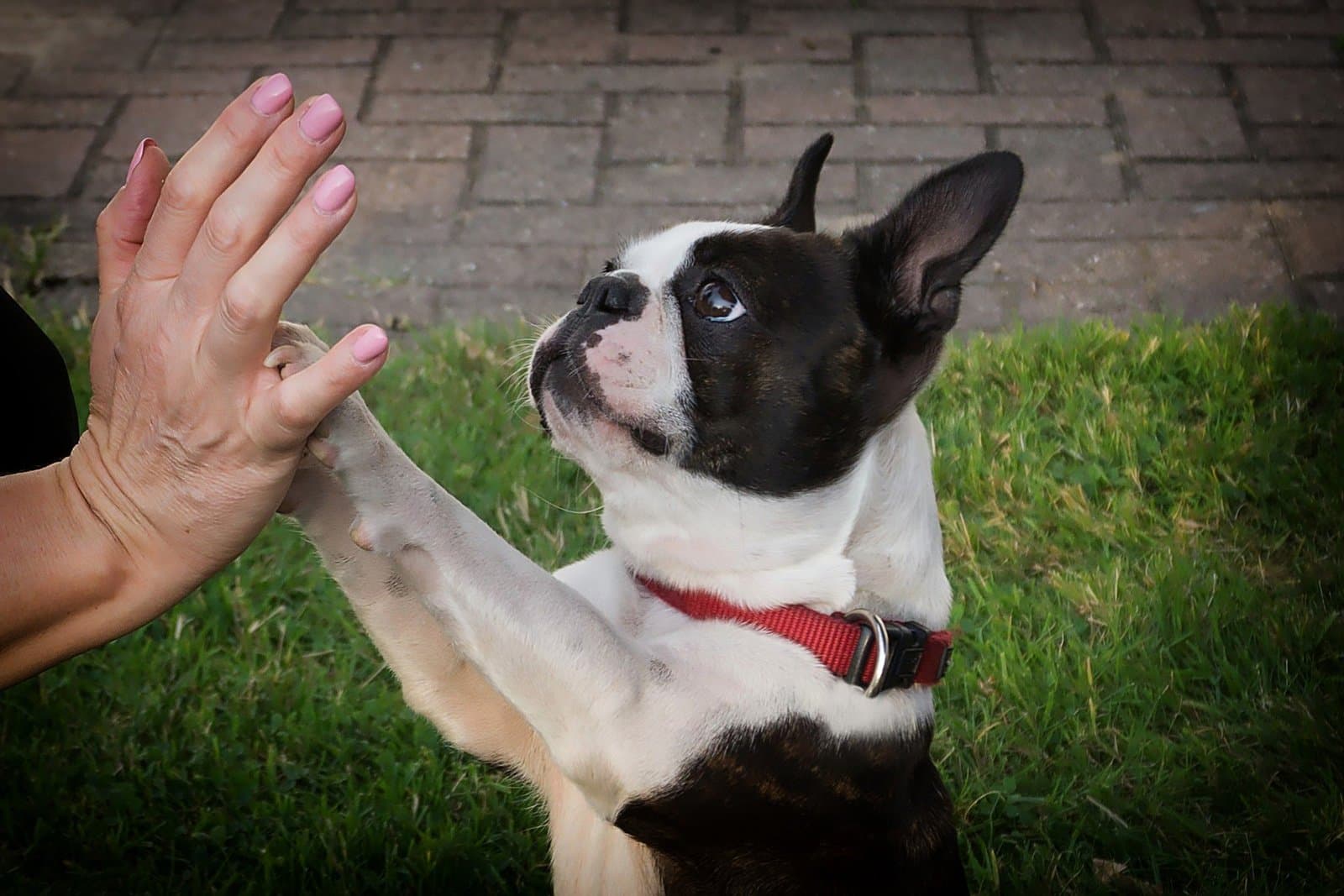
Obedience training is not about teaching tricks. It is about establishing clear two-way communication between you and your dog, building trust, and ensuring safety in everyday life. A dog who knows five basic cues is dramatically easier to live with — and dramatically safer in the situations that count, from open doors to busy sidewalks.
Modern obedience training is built on positive reinforcement: behaviors that earn rewards become more frequent. The American Veterinary Society of Animal Behavior and most major U.S. veterinary organizations endorse reward-based training as both more effective and more humane than punishment-based methods.
This guide covers the five foundation cues every dog should know — sit, down, stay, come, and leave it — and the principles that make training stick.
The Setup You Need
- High-value treats: small (pea-sized), soft, easy to eat quickly. Cooked chicken, freeze-dried liver, or commercial training treats work well.
- A treat pouch for hands-free access.
- A clicker (optional but helpful): a small device that makes a distinct click when pressed. Used as a precise marker for the exact moment your dog does what you want.
- A quiet space for early sessions — your living room is fine.
- Short sessions: 5-10 minutes, 2-3 times a day. Dogs learn faster from many short sessions than one long one.
The Universal Training Loop
Every cue follows the same basic teaching pattern:
- Lure: use a treat to guide the dog into the position you want.
- Mark: the instant the dog hits the position, mark it with yes! or a clicker.
- Reward: deliver the treat within one second.
- Repeat 5-10 times until the dog reliably performs the behavior with the lure.
- Add the cue word just before the behavior starts.
- Fade the lure — start asking for the behavior with just the word, rewarding when they comply.
1. Sit
The easiest cue and usually the first one taught. Sit is also a useful default for impulse control — sitting at the door before going out, sitting at the curb before crossing.
- Hold a treat at your dog's nose level.
- Slowly move the treat up and slightly back over their head.
- As their nose follows the treat up, their bottom naturally lowers to sit.
- The instant they sit, mark and reward.
- After 5-10 successful repetitions, add the verbal cue sit just as the dog begins to sit.
- After 5-10 more repetitions, try saying sit without the lure — they should now respond to the word alone.
2. Down
Down asks the dog to lie flat on the ground. Useful for calm settling, longer durations, and many follow-up behaviors.
- Start with the dog in a sit.
- Hold a treat at their nose, then lower it slowly to the floor between their front paws.
- Keep the treat close to the floor until the dog lies down completely.
- Mark and reward the moment they are flat.
- Some dogs slide their feet forward; others tilt their head down. Both count.
- Add the cue word down once the behavior is reliable.
If your dog tries to back up to follow the treat, place them next to a wall or use a chair to limit movement.
3. Stay
Stay asks the dog to remain in position until released. Build it slowly across three dimensions: duration, distance, and distractions — never increase more than one at a time.
- Ask for a sit or down.
- Hold up your palm like a stop sign and say stay.
- Wait one second. Mark and reward while the dog is still in position.
- Use a release cue (okay or free) to end the stay.
- Build duration gradually: 1 second → 5 → 10 → 30 → 60.
- Then build distance: 1 step away → 3 → 5.
- Then add mild distractions: a knock at the door, dropped items, brief eye contact away from the dog.
If the dog breaks the stay, calmly reset to a shorter duration or distance. Do not scold; you simply asked for too much too soon.
4. Come (Recall)
The most consequential cue you will teach. A reliable recall keeps your dog safe in genuine emergencies. The foundation:
- Choose a recall word distinct from come if your dog has already learned to ignore it.
- Start in a quiet indoor space.
- Say their name and the recall word once.
- The instant they take a step toward you, mark with yes!
- Reward generously when they arrive — many treats in succession.
- Practice 5-10 times daily.
The single most important rule: coming to you must always be the best thing that happens to your dog. Never call your dog to come for anything unpleasant — bath, nail trim, leash to go home from the park. Use a different word for those, or just go get them.
5. Leave It
The cue that teaches impulse control. Useful for everything from dropped pills to wildlife on walks.
- Place a low-value treat in your closed fist.
- Show the closed fist to your dog. They will sniff, lick, paw at it.
- The instant they stop and back away (even briefly), mark with yes! and reward with a different, higher-value treat from your other hand.
- Repeat until the dog reliably backs off when shown the fist.
- Progress to placing the treat under your shoe; then on the floor with your foot ready to cover it; then on the floor freely.
- Add the cue word leave it once the behavior is reliable.
The genius of this exercise: the dog learns that turning away from a resource leads to a better resource. Over time, leave it becomes a powerful cue for ignoring everything from food on the sidewalk to interesting smells on a walk.
Common Training Mistakes
- Repeating the cue. Sit. Sit. Sit. teaches the dog that the word means nothing until you say it three times. Say it once, wait, help if needed, reward when correct.
- Punishing slow responses. A dog who was hesitating and finally complied just got punished for complying. Reward the complete behavior.
- Rewarding inconsistently. In early training, every correct response gets a reward. Once a behavior is established, you can move to occasional rewards.
- Training when frustrated. If you or the dog are tired or distracted, end the session. Bad sessions teach bad habits.
- Generalizing too fast. A dog who can sit in your kitchen often cannot sit at the dog park yet. Practice each cue in many environments to build reliability.
What About Group Classes?
Group obedience classes (typically 6-8 weeks for $150-$300) offer significant advantages over solo training: structured progression, expert feedback on technique, exposure to other dogs in a managed environment, and the social pressure that motivates many owners to practice. The AKC Canine Good Citizen program is a widely recognized 10-skill curriculum and certification.
Look for trainers who use positive-reinforcement methods only. Avoid trainers who use prong collars, e-collars, or alpha-roll demonstrations — these are inconsistent with current AVSAB guidance.
The Bottom Line
The five foundational cues — sit, down, stay, come, and leave it — give you the tools to communicate clearly with your dog in everyday life. Built on positive reinforcement, practiced in short daily sessions, and gradually reinforced across environments, they become reliable behaviors that make your dog safer, easier to live with, and a more confident participant in family life. The work is small; the payoff lasts the dog's lifetime.
For severe behavioral issues, consult a certified dog trainer or veterinary behaviorist.
RELATED READING
More from Pet Training
Pet Behavior
Separation Anxiety in Dogs: A Complete Guide
Up to 17% of U.S. dogs suffer from separation anxiety — a clinical panic disorder that produces real distress, real damage, and real suffering. Here is how to tell true separation anxiety from boredom, the evidence-based treatment plan, and when medication makes sense.
2026-05-08
Pet Behavior
Understanding Dog Body Language
Most dog bites in the U.S. could have been prevented if the human noticed earlier signals. Learn to read the full conversation — tail, ears, eyes, mouth, posture — including the famous Ladder of Aggression and the calming signals dogs use to defuse stress.
2026-05-07
Pet Behavior
Resource Guarding in Dogs: How to Recognize and Manage Safely
Resource guarding — growling, snapping, or biting over food, toys, or space — is one of the most common reasons dogs are surrendered to shelters. The good news: with the right approach, most resource guarding is manageable. Here is what to do, what not to do, and when professional help is essential.
2026-05-03