PET BREED · 5 MIN READ
Best Hypoallergenic Dog Breeds: What Low-Allergen Actually Means
No dog is fully hypoallergenic — but some breeds shed dramatically less and are far better tolerated by allergy sufferers. Here is the science, the AKC's recognized list, and how to test compatibility before committing.
Advertisement
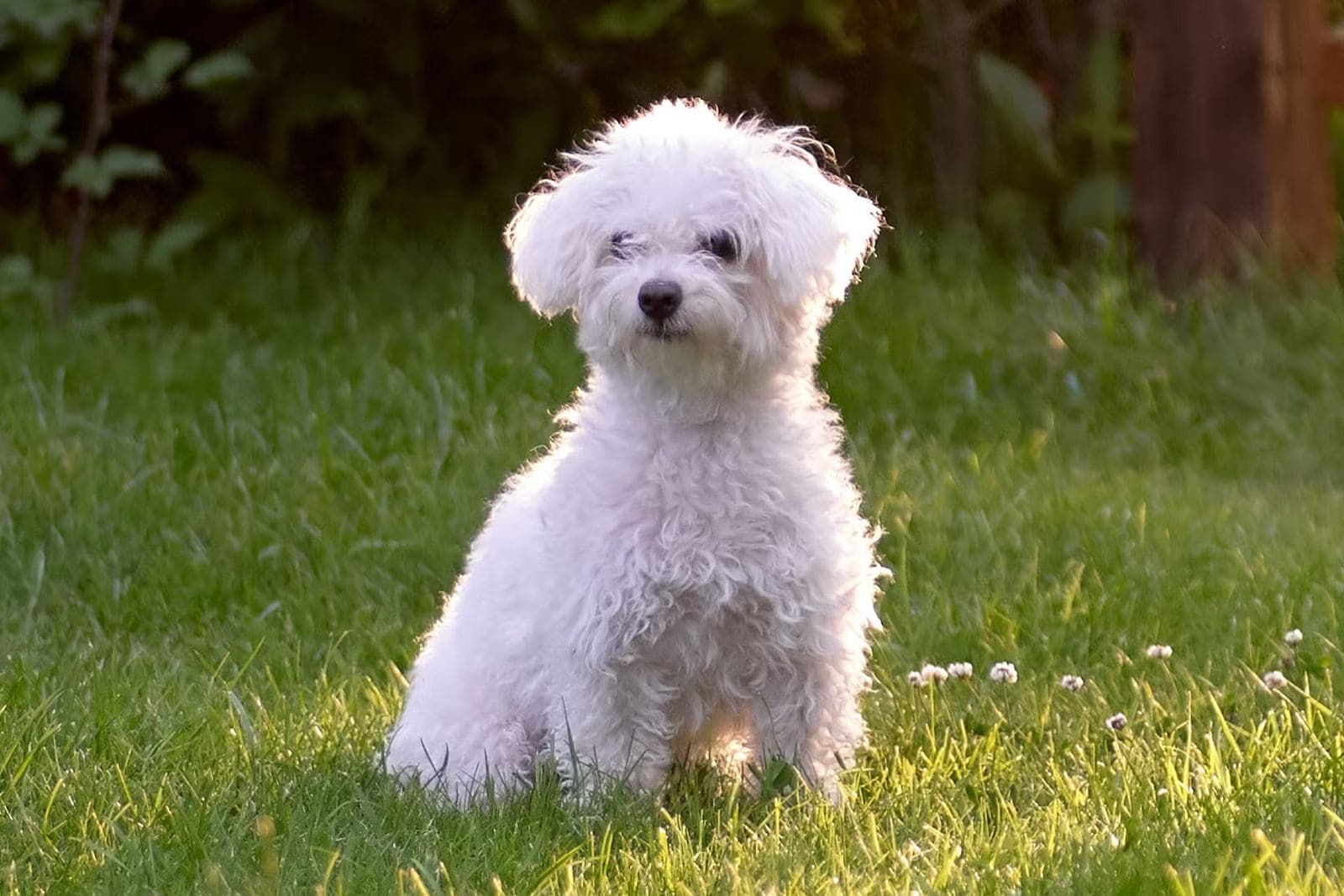
The Hypoallergenic Dog Myth (And What It Actually Means)
Walk into any pet store and you will see breeds marketed as hypoallergenic — Poodles, Doodles, Bichon Frise, Schnauzers, Portuguese Water Dogs, and more. The reality, according to the American Kennel Club and a growing body of veterinary research: no dog is fully hypoallergenic. All dogs produce the proteins (Can f 1 through Can f 6) that trigger human allergies, and these proteins are found in dog saliva, urine, and dander, not just in shed fur.
What hypoallergenic actually means in dog marketing: this breed sheds less. Less shedding means less dander dispersal, which means lower environmental allergen load — but not zero. People with mild dog allergies often tolerate low-shedding breeds well; people with severe dog allergies usually do not.
This guide covers the breeds with the strongest reputation for low-allergen impact, the science behind them, and how to test compatibility before committing.
The Science: Why Allergies Are Not About Hair
Dog allergens come from:
- Saliva deposited on fur during grooming.
- Skin dander — small flakes of dead skin.
- Urine residue.
When a dog sheds, fur carries these proteins into the environment. The breeds called hypoallergenic share one trait: hair-like coats with continuous growth patterns rather than fur with seasonal shedding. The hair stays attached longer, reducing dander dispersal.
Coat type, not coat color or length, is what matters. A long-haired Doodle and a curly-haired Poodle both have hair coats; a short-haired Beagle has fur and shed cycles.
The AKC's Hypoallergenic Breeds List
The American Kennel Club lists about 18 breeds as more compatible with allergy sufferers. Highlights:
Poodle (Standard, Miniature, Toy)
The original low-allergen breed. Curly, hair-type coat that sheds minimally. Highly intelligent, trainable, and adaptable to many lifestyles. Requires professional grooming every 4-6 weeks ($60-$120 per visit). Three sizes accommodate most household needs.
Bichon Frise
Small, curly white-coated dogs. Very low shedding. Friendly, affectionate, good for families. Daily brushing required. Professional grooming every 4-6 weeks.
Portuguese Water Dog
Medium-sized, curly or wavy coat. Active, intelligent. Famously the breed of the Obama family's dogs. Requires professional grooming and significant exercise.
Schnauzer (Miniature, Standard, Giant)
Wiry double coat that sheds minimally. Confident, loyal, and good guard dogs. Hand-stripping or scissoring required for the proper coat texture.
Maltese
Tiny lap dogs with long, silky white coats. Low shedding but high grooming demands.
Yorkshire Terrier
Small terriers with hair-type coats. Spirited, affectionate. Daily brushing for the long-coated variety.
Havanese
Small, silky-coated companion dogs. Affectionate and trainable. Daily brushing required.
Soft Coated Wheaten Terrier
Medium-sized with a silky single coat. Active, friendly, but require significant grooming and exercise.
Afghan Hound
Tall, long-coated sighthounds. Distinctive flowing coat sheds little but requires extensive grooming.
Hairless breeds: Chinese Crested, Xoloitzcuintli, American Hairless Terrier
No hair to shed. Dander still produced from skin. Special skincare required to prevent sunburn and dryness.
Doodles and Designer Mixes
Labradoodles, Goldendoodles, Bernedoodles, and other Poodle crosses are heavily marketed as hypoallergenic. The reality is more variable: a Poodle cross with a Poodle-type curly coat can be low-shedding; the same cross with a more Labrador-type coat can shed substantially. Coat type is unpredictable in first-generation crosses (F1) and becomes more consistent in later generations (F1B, F2).
If you are considering a Doodle and allergies are critical, do not buy from a breeder who guarantees a hypoallergenic coat in any individual puppy — they cannot. Meet the specific puppy and spend extended time with them before committing.
How to Test Allergy Compatibility
The single most important step: spend extended time with the specific dog before adopting or buying. Several hours, not several minutes. Allergy reactions often build over hours of exposure.
- Visit the breeder or rescue and spend 2-3 hours with the dog.
- Pet, hold, and touch your face after. Note any reactions over the following 24 hours.
- Consider a fostering or trial-adoption period if available.
- Consider allergy testing through your physician to know exactly what triggers you.
Some allergy sufferers tolerate one specific Poodle and react to another. Individual variation is real.
Living with a Dog When You Have Allergies
Even with a low-allergen breed, environmental management helps:
- HEPA air purifiers in bedrooms and living areas.
- Bathing the dog weekly or biweekly to reduce dander on the coat.
- Designating dog-free zones — particularly the bedroom.
- Vacuuming with HEPA-filter vacuums 2-3 times weekly.
- Washing dog bedding weekly in hot water.
- Allergy medication as needed for breakthrough symptoms.
What Does Not Help
- Buying a hypoallergenic breed without testing first. Individual variation makes this a costly gamble.
- Frequent baths beyond what the coat tolerates. Over-bathing dries the skin and increases dander.
- Special hypoallergenic shampoos. Modest at best.
- Hoping the allergy will go away. Allergies tend to stay or worsen, not resolve.
If Allergies Are Severe
For severe dog allergies (asthmatic responses, chronic sinus issues, daily medication required to function), even low-shedding breeds may not be tolerable. Consider:
- Allergy immunotherapy (allergy shots). Long-term treatment that can build tolerance over 3-5 years.
- A dog-free home with frequent visits to dogs you love rather than ownership.
- Cats — counterintuitively, some people are allergic only to dogs, not cats, or vice versa.
Grooming Reality and Real Costs
Most low-shedding breeds carry a grooming requirement that owners frequently underestimate. Curly and hair-type coats do not shed, which means they also do not naturally release dead hair — instead, they mat. Without regular brushing and professional grooming, mats become painful, skin infections develop, and entire coats sometimes have to be shaved.
Realistic 12-year grooming costs for the most popular hypoallergenic breeds:
- Standard Poodle: $7,000-$13,000 in professional grooming alone (every 4-6 weeks at $80-$120 per visit).
- Bichon Frise: $6,000-$11,000.
- Doodles (Labradoodle, Goldendoodle): $8,000-$15,000.
- Schnauzer: $5,000-$10,000 (hand-stripping is more expensive than scissoring).
- Yorkshire Terrier (long coat): $5,000-$9,000.
Budget for grooming is not optional with these breeds. Skipping it produces matted, painful coats and miserable dogs.
The Bottom Line
Hypoallergenic dog breeds are real in the sense that they shed less and disperse less dander; they are mythical in the sense that no dog is allergen-free. For mild to moderate allergy sufferers, breeds like Poodles, Bichons, and Portuguese Water Dogs are excellent options when paired with environmental management. For severe allergy sufferers, even these breeds may not solve the problem — and the honest path is testing extensively before committing to 10-15 years of ownership.
Common Misconceptions About Hypoallergenic Dogs
Several persistent myths cause owners to make worse decisions:
- Myth: short hair means low allergen. The opposite is often true. Short-haired breeds can shed more frequently than long-haired ones, dispersing more dander.
- Myth: hairless dogs have no allergens. Allergens come from skin and saliva, not hair. Chinese Cresteds and Xolos still produce them.
- Myth: all Doodles are hypoallergenic. First-generation Doodles have unpredictable coats; only Poodle-coat Doodles are reliably low-shedding.
- Myth: bathing the dog frequently solves allergies. Over-bathing damages the skin barrier and increases dander. Once weekly is the practical maximum.
- Myth: outdoor dogs have lower allergen impact. Outdoor dogs still produce dander, often track allergens indoors, and isolating a dog outside has welfare implications.
Cutting through these myths is part of why testing with the specific dog matters so much. Theoretical hypoallergenic categories do not predict your actual reaction to your actual dog.
RELATED READING
More from Pet Breed
Pet Behavior
Separation Anxiety in Dogs: A Complete Guide
Up to 17% of U.S. dogs suffer from separation anxiety — a clinical panic disorder that produces real distress, real damage, and real suffering. Here is how to tell true separation anxiety from boredom, the evidence-based treatment plan, and when medication makes sense.
2026-05-08
Pet Behavior
Understanding Dog Body Language
Most dog bites in the U.S. could have been prevented if the human noticed earlier signals. Learn to read the full conversation — tail, ears, eyes, mouth, posture — including the famous Ladder of Aggression and the calming signals dogs use to defuse stress.
2026-05-07
Pet Behavior
Resource Guarding in Dogs: How to Recognize and Manage Safely
Resource guarding — growling, snapping, or biting over food, toys, or space — is one of the most common reasons dogs are surrendered to shelters. The good news: with the right approach, most resource guarding is manageable. Here is what to do, what not to do, and when professional help is essential.
2026-05-03