PET BEHAVIOR · 6 MIN READ
Fear and Anxiety in Pets: Triggers, Signs, and Treatment
From thunderstorm phobia to general anxiety, fear-based behaviors are some of the most common — and most treatable — issues in U.S. pets. Here are the common triggers, how to recognize signs early, and the modern treatment toolkit including FDA-approved medications.
Advertisement

Why Pet Anxiety Has Become More Visible
Pet anxiety has always existed; what has changed is recognition. Veterinary behaviorists now diagnose generalized anxiety, noise phobia, separation anxiety, and storm phobia at higher rates than 20 years ago — partly because owners are better at spotting it, partly because the COVID-era shift toward more puppies being raised at home with constant companionship has produced more dogs who struggle when alone.
Anxiety in pets is treatable. The combination of management, behavior modification, and (when appropriate) medication transforms outcomes dramatically. This guide covers the major fear and anxiety types, what to watch for, and what works.
Common Anxiety Triggers
Noise (thunder, fireworks, sirens)
Thunder and fireworks phobia is the most common noise anxiety in U.S. dogs, particularly intense around July 4th and New Year's. Noise phobia tends to worsen over time without intervention.
Separation
True separation anxiety affects an estimated 17% of U.S. dogs. The clinical disorder is distinct from boredom and requires specific treatment.
Strangers and unfamiliar dogs
Fear of unfamiliar people or dogs often manifests as reactivity (lunging, barking on leash). Common in poorly socialized dogs and rescue dogs with negative early experiences.
Vet visits
Many pets develop strong vet aversion after even one painful or frightening experience. The Fear Free movement in veterinary medicine has emerged in response.
Travel and car rides
Some pets are fine in the car; others develop motion sickness, salivation, or panic responses.
New environments
Moving, traveling, or even rearranging furniture can trigger anxiety in some pets.
Generalized anxiety
Some pets are anxious without identifiable triggers — chronic vigilance, restlessness, frequent stress signals.
Signs to Watch For
Acute fear signals (immediate)
- Tucked tail, lowered body, ears back.
- Trembling, panting, drooling.
- Hiding, attempting to escape.
- Pacing, restlessness.
- Refusing food they would normally take.
- Hyper-vigilance, jumping at small sounds.
Chronic anxiety signals (over time)
- Weight loss without medical cause.
- Excessive grooming, sometimes to the point of bald patches or skin lesions.
- Repetitive behaviors (pacing, spinning, tail-chasing).
- Withdrawal or unusual clinginess.
- Disrupted sleep.
- Decreased response to favorite activities.
- GI changes — chronic loose stool, vomiting, decreased appetite.
What Does NOT Work
Forced exposure (flooding)
Pushing a fearful pet directly into the trigger (they need to face it) rarely produces resilience. It usually deepens the fear and damages trust. Modern behaviorists are unanimous: graduated exposure below the panic threshold is the only evidence-based approach.
Punishment for fearful behavior
Scolding a dog for hiding under the bed during fireworks does not teach courage. It adds your displeasure to the existing fear.
Comforting away the fear without changing exposure
Hugging and reassuring a panicking dog does not reinforce fear (research has been clear on this), but it also does not fix the underlying problem. Treatment requires changing the exposure pattern, not just emotional support.
The Modern Treatment Toolkit
Environmental management
- Safe spaces. A quiet, enclosed area the pet can retreat to. For dogs, often a covered crate. For cats, a closet, under-bed space, or quiet room.
- Sound dampening. White noise machines, classical music, or thunderstorm-masking apps reduce trigger intensity for noise-phobic dogs.
- Visual barriers. Closing blinds during storm season; window film for reactive dogs.
- Pheromone diffusers. Feliway for cats; Adaptil for dogs. Effects are modest but well-documented.
Counterconditioning
The foundation of behavior modification. The trigger is paired with high-value treats below the threshold where the pet panics. Over many repetitions, the trigger predicts food rather than threat.
Desensitization
Graduated exposure starting at intensity the pet can handle, slowly increasing. Often combined with counterconditioning. Sound recordings (thunder, fireworks) at progressively higher volumes are commonly used for noise phobia.
Anxiety wraps
Pressure garments (ThunderShirt and similar) provide constant gentle pressure. Some research supports modest effect for some dogs. Worth trying given the low cost and minimal downside.
Medication Options
Medication is appropriate for moderate to severe cases. The modern toolkit includes:
Sileo (dexmedetomidine)
FDA-approved for canine noise aversion. Oral gel applied between cheek and gums 30-60 minutes before a known triggering event. Sileo works in roughly 75% of treated dogs vs 33% on placebo.
Reconcile/fluoxetine
SSRI for chronic anxiety and separation anxiety. Once-daily, 4-6 weeks to full effect. FDA-approved for canine separation anxiety; commonly used off-label for generalized anxiety.
Clomicalm/clomipramine
Tricyclic antidepressant for chronic anxiety. Twice-daily dosing.
Trazodone
A short-acting situational anxiolytic. Useful for vet visits, fireworks, or other predictable trigger events. Often combined with other medications.
Gabapentin
An anti-anxiety and anti-pain medication, particularly useful for vet visits and travel. Often used in cats.
Alprazolam (Xanax)
A benzodiazepine for acute anxiety. Used short-term for known events.
Medication selection should be made by your vet or a veterinary behaviorist, based on the specific anxiety pattern and your pet's medical history.
The Fear Free Initiative
The Fear Free movement, launched in 2016, trains and certifies veterinary professionals in techniques that reduce pet stress in clinical settings. Fear Free certified clinics use:
- Quiet, separate-species waiting areas (cats away from dogs).
- Treat-based handling techniques.
- Pheromone diffusers in exam rooms.
- Pre-visit anxiety medications when needed (often gabapentin or trazodone).
- Slow, choice-based examination protocols.
If your pet shows fear at the vet, asking for a Fear Free certified clinic or technician is one of the highest-leverage changes you can make.
Specific Triggers: A Quick Guide
Thunderstorm phobia
- Sound dampening and a safe space during storms.
- Sileo or trazodone given 30-60 minutes before storm onset.
- Counterconditioning with thunderstorm sound recordings during off-season.
- Severe cases benefit from chronic anti-anxiety medication.
Fireworks phobia
- Same protocol as thunderstorm.
- Plan for July 4th and New Year's well in advance — talk to your vet 4-6 weeks before.
- Identify pet through microchip and ID tag — fireworks are the #1 cause of pet escapes annually.
Vet phobia
- Find a Fear Free certified clinic if possible.
- Pre-visit gabapentin (cats) or trazodone (dogs) given 1-3 hours before.
- Happy visits: bring the pet to the clinic for treats only, no exam, several times.
- For severe cases, mobile vet services come to the home.
Reactive dogs (people, dogs)
- Counterconditioning at the threshold distance.
- Avoid neighborhood walks at high-traffic times.
- Work with a certified positive-reinforcement trainer.
- Consider chronic anxiolytic for severe reactivity.
What Owners Can Do at Home
Beyond the formal treatment toolkit, several daily habits meaningfully reduce baseline anxiety:
- Predictable routines. Anxious pets are reassured by sameness. Same meal times, same walk schedule, same bedtime ritual.
- Mental enrichment. Puzzle feeders, snuffle mats, and chew sessions reduce stress hormone levels and provide an outlet for nervous energy.
- Physical exercise calibrated to the pet. Under-exercised dogs are more reactive; over-exercised anxious dogs sometimes worsen. Aim for the right amount, not the maximum.
- Calm presence. Sit near the pet during stressful moments without forcing contact. Your steady presence is a regulator for them.
- Sleep quality. Anxious pets often have disrupted sleep, which compounds anxiety. A quiet, predictable sleep space matters.
The Bottom Line
Pet anxiety is one of the most under-diagnosed and most treatable conditions in U.S. pets. Modern treatment combines environmental management, behavior modification, and (where appropriate) medication. The pet who hides during storms, panics at the vet, or paces when alone is not weak or untrainable — they are signaling for support that, properly delivered, transforms their daily experience. Working with a vet who understands behavior is the right starting point.
For severe or persistent behavioral concerns, consult a certified dog trainer or veterinary behaviorist (DACVB).
RELATED READING
More from Pet Behavior
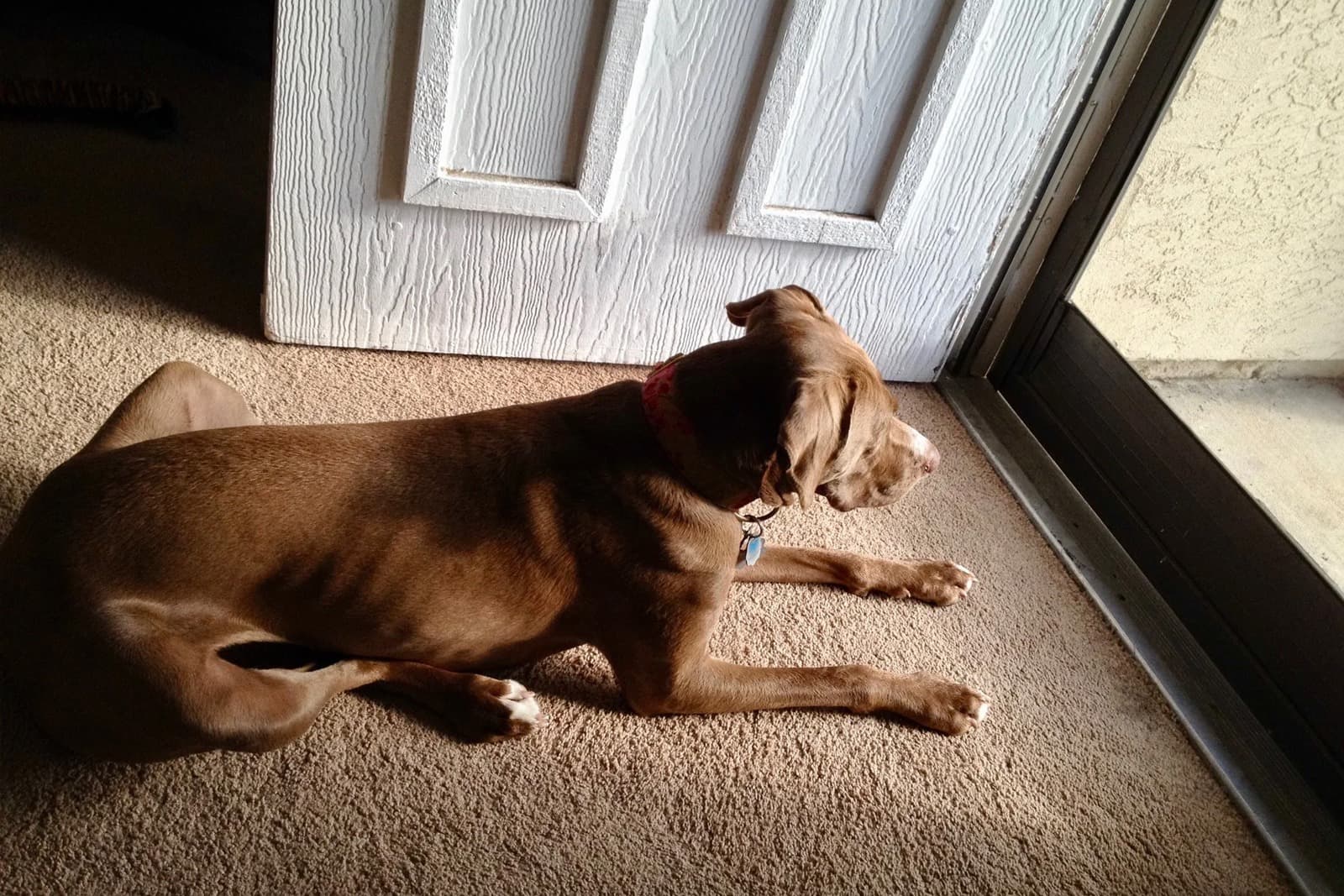
Pet Behavior
Separation Anxiety in Dogs: A Complete Guide
Up to 17% of U.S. dogs suffer from separation anxiety — a clinical panic disorder that produces real distress, real damage, and real suffering. Here is how to tell true separation anxiety from boredom, the evidence-based treatment plan, and when medication makes sense.
2026-05-08
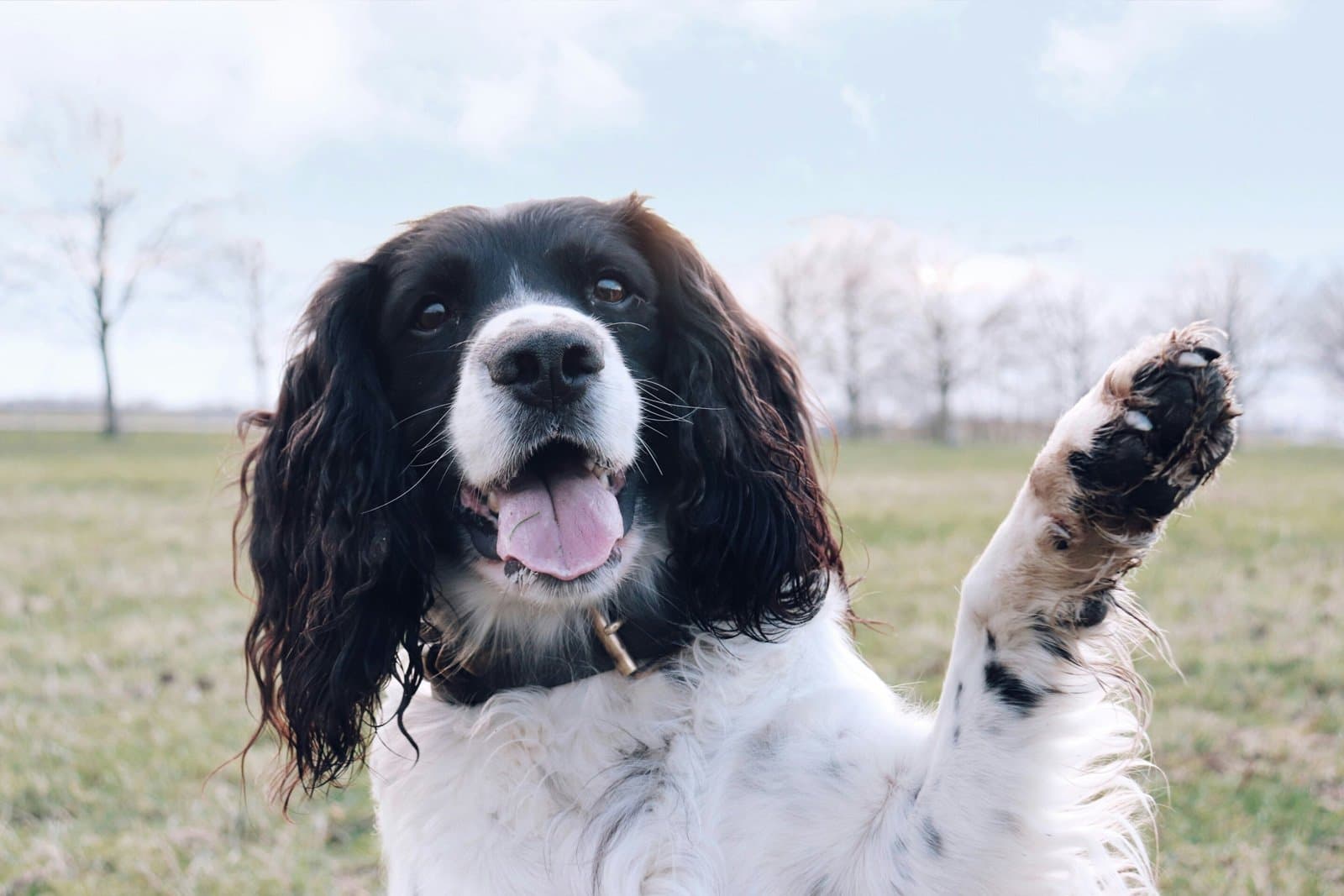
Pet Behavior
Understanding Dog Body Language
Most dog bites in the U.S. could have been prevented if the human noticed earlier signals. Learn to read the full conversation — tail, ears, eyes, mouth, posture — including the famous Ladder of Aggression and the calming signals dogs use to defuse stress.
2026-05-07
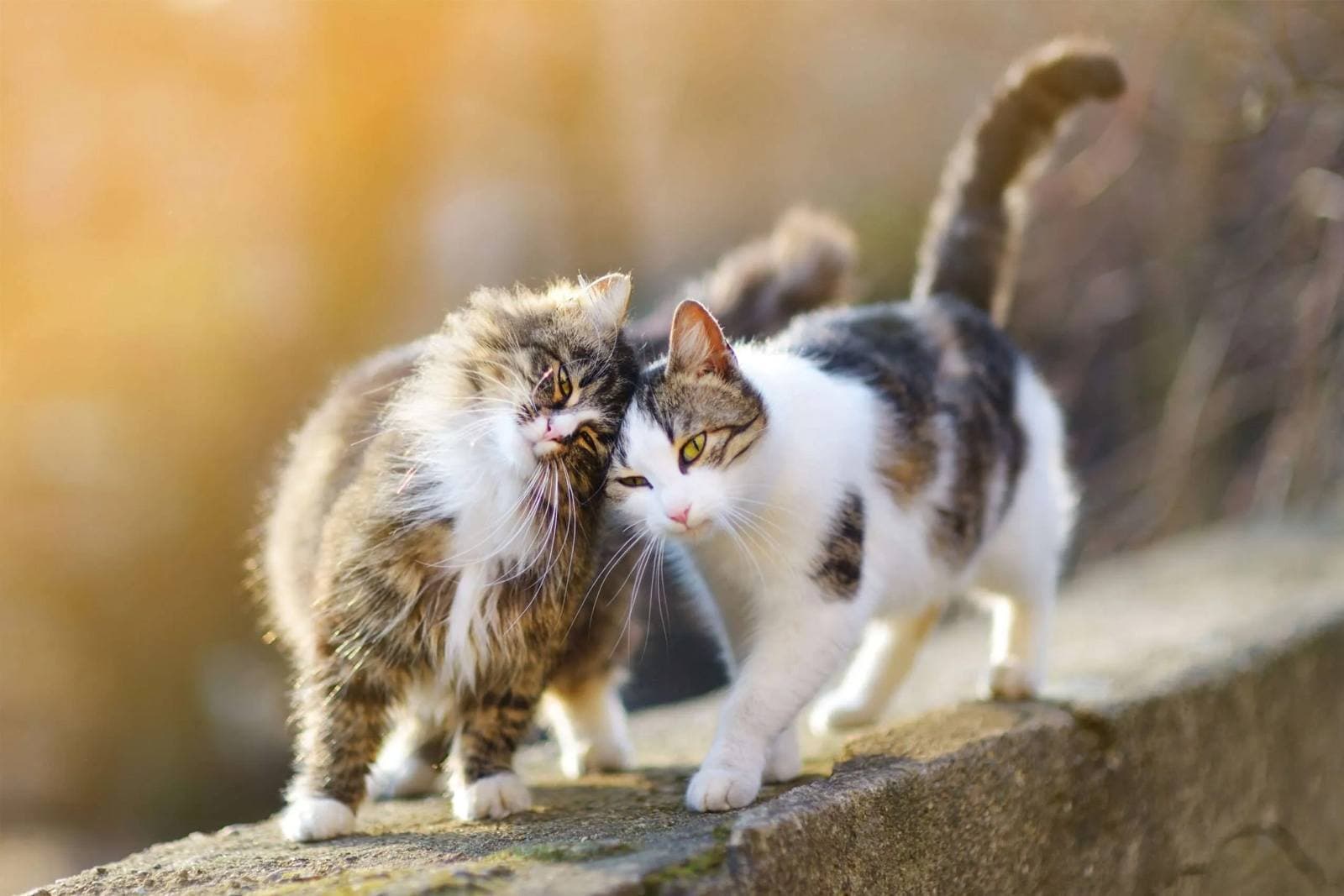
Pet Behavior
Cat Body Language: A Complete Tail, Ear, and Eye Guide
Cats communicate as much as dogs do, but their signals are subtler and easier to miss. Here is the complete guide to reading your cat's tail, ears, eyes, whiskers, and posture — and what each combination tells you about how they actually feel.
2026-05-05