PET TRAINING · 6 MIN READ
How to Litter Box Train Your Kitten
Most kittens take to the litter box naturally. Here is how to set up the right environment, troubleshoot the common problems, and follow the multi-cat household rules that prevent most adult litter box issues.
Advertisement
Why Most Kittens Train Themselves
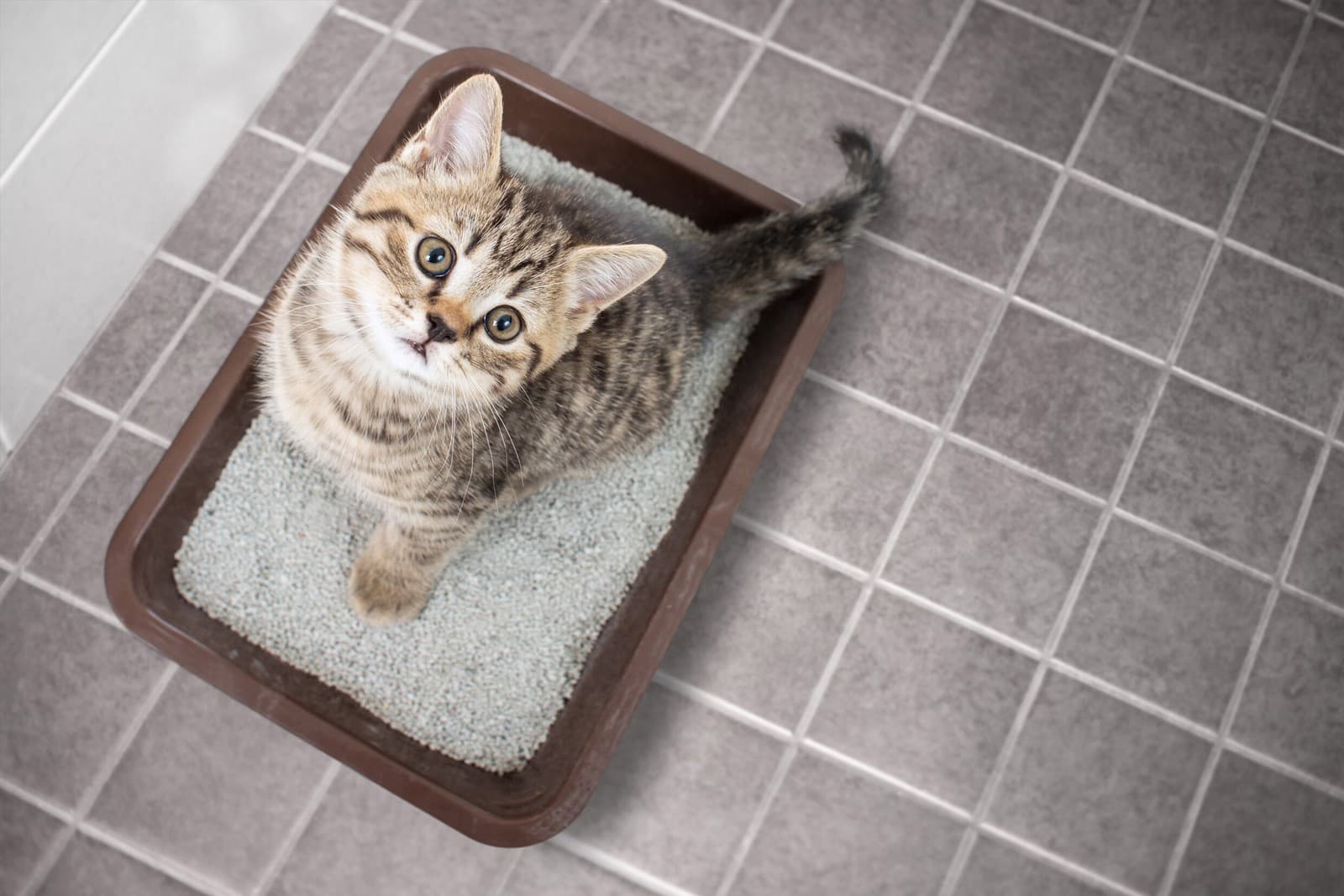
Litter box training is generally easy because kittens are biologically wired for it. By the time most kittens leave their mother (around 8 weeks), they have already learned to use a litter box by watching her. Your job is mostly to set up the right environment and avoid the small handful of mistakes that cause trouble.
This guide covers the setup, the introduction protocol, and what to do when things go wrong — including the multi-cat household rules that prevent most adult litter box issues.
The Setup
How many boxes
The veterinary standard is the n+1 rule: one litter box per cat, plus one extra. Two cats need three boxes, three cats need four. Boxes should be in different locations, not lined up next to each other in one room.
Box size and style
- Adult cats: at least 1.5 times the cat's body length, with high enough sides to contain digging. Many commercial boxes are too small for adult cats.
- Kittens: low sides (2-3 inches) so they can climb in and out easily. Disposable cardboard trays work well for the first few weeks.
- Senior or arthritic cats: low entry, larger size. Storage boxes with a low cutout work well.
- Open vs. covered: most cats prefer open boxes. Covered boxes trap odors and feel confining; some cats refuse them.
- Top-entry, automatic, and self-cleaning boxes: appeal to humans, often disliked by cats. Test before committing.
Litter type
- Unscented clumping clay is preferred by the majority of cats in research-based comparisons.
- Scented litters often turn cats off — feline noses are far more sensitive than ours.
- Pellet, crystal, paper, and corn-based litters are alternatives. Some cats love them, others reject them outright.
- For kittens under 3 months: use non-clumping litter only. Clumping clay can be ingested during grooming and form intestinal blockages.
If you switch litter, do it gradually over a week (mix old and new in increasing proportions). Sudden changes are a common cause of box avoidance.
Location
- Quiet, low-traffic areas — but not isolated places where the cat feels trapped.
- Away from food and water bowls.
- Easy escape routes (no dead-end alcoves).
- Multiple floors of the home if you live in a multi-story house.
- Avoid placing near loud appliances (washer/dryer, furnace) that may startle a cat mid-use.
Introducing Your Kitten to the Box
- The moment your kitten arrives home, place them gently in the litter box.
- Let them sniff and explore. Most kittens will start digging within a minute.
- If they do not, gently take a front paw and simulate a digging motion in the litter. This often triggers the instinct.
- For the first few days, place the kitten in the box after meals, naps, and play sessions — the times they are most likely to need to go.
- Praise calmly when they use the box. Never punish accidents.
Most kittens are reliably box-trained within 1-2 weeks.
Cleanliness Is Non-Negotiable
- Scoop daily, ideally twice a day. Cats avoid soiled boxes — this is the most common cause of box avoidance in adult cats.
- Empty and wash the box completely every 2-4 weeks for clumping litter, weekly for non-clumping.
- Use unscented soap. Strong-smelling detergents can make the box unattractive.
- Replace boxes when plastic becomes scratched and odor-retentive (every 1-2 years).
What to Do About Accidents
Kitten accidents are normal during the first few weeks. The right response:
- Clean immediately and thoroughly with an enzymatic cleaner (Nature's Miracle, Anti-Icky-Poo, Rocco & Roxie). Regular cleaners do not eliminate the urinary scent markers that make a cat return to the same spot.
- Do not use ammonia-based cleaners. Ammonia smells like urine to cats and reinforces the spot.
- Block access to the accident spot temporarily — close the door, place a barrier, or set a litter box directly over the spot.
- Never punish. Rubbing the kitten's nose in the mess, yelling, or spraying water creates fear and damages litter box habits long-term.
Common Reasons Cats Stop Using the Box
An adult cat who suddenly stops using the litter box is communicating something — almost always one of these:
- Medical issue. Urinary tract infections, crystals or stones, diabetes, kidney disease, and arthritis can all cause box avoidance. Any sudden change should prompt a vet visit before behavioral interventions.
- Box is too dirty. Most common cause in single-cat homes.
- Wrong litter. Recent change to a different brand or scent.
- Wrong box. Recently switched to a covered box, top-entry box, or a box that is too small.
- Wrong location. Box was moved, or a noisy event happened near the box (dropped pan, washing machine startup).
- Stress. New pet, new baby, moving house, schedule changes.
- Multi-cat household issues. Not enough boxes, dominant cat blocking access, or one cat scaring another out of the box.
Multi-Cat Household Rules
Most multi-cat box problems trace to one of three causes:
- Not enough boxes (always n+1).
- Boxes lined up in one location — needs to be different rooms or at least different locations.
- One cat ambushing another at or near the box.
If you have multiple cats and one is having issues, add boxes in new locations and separate them. Eight in nine multi-cat box problems resolve with this alone.
Travel, Boarding, and Sudden Changes
Cats are creatures of habit, and litter routines are particularly sensitive to disruption. A few common scenarios that cause trouble:
- Vacation boarding. Many cats refuse to use unfamiliar boxes at boarding facilities. If you board, ask whether the facility uses the same litter brand you do, and consider sending a small bag of your home litter to mix in.
- House guests or new pets. Stress from new humans or animals frequently triggers box avoidance. Add an extra box in a quieter location during the disruption.
- Moving house. Set up the litter box in the new home before the cat arrives, in a similarly quiet location to the old setup. Confine the cat to one room with the box for the first 1-2 days.
- Construction or loud household events. Move boxes away from the noise. A box near a power tool or banging will be avoided.
Special Situations
Adopting an adult cat
Most adult cats arrive box-trained. Confine them to one room with a box for the first few days while they decompress; let them out gradually as they settle in.
Senior cats with arthritis
Older cats often stop using high-sided boxes because the climb hurts. Switch to low-entry boxes, place them on every floor of the house, and consult your vet about pain management.
Outdoor or formerly outdoor cats
Some cats prefer dirt or sand to commercial litter. Try a dirt-textured litter or place a tray of soil indoors to bridge the transition.
When to Rule Out Medical Causes First
Any sudden, unexplained change in litter box behavior in a previously well-trained cat is a medical situation until proven otherwise. Urinary tract infections, bladder stones, kidney disease, and diabetes are all common causes of sudden box avoidance — and a male cat straining to urinate without producing urine is a fatal emergency within 24-48 hours. See your vet first; address the litter setup second.
The Bottom Line
Litter box training is mostly setup, not training. Get the number of boxes right, choose unscented clumping litter (non-clumping for very young kittens), place boxes in quiet accessible locations, scoop daily, and the vast majority of cats will train themselves. When things go wrong, look at boxes and litter first — and if the cat is an adult who suddenly changed habits, see your vet before assuming it is behavioral.
For severe behavioral issues, consult a certified dog trainer or veterinary behaviorist.
RELATED READING
More from Pet Training

Pet Behavior
Cat Body Language: A Complete Tail, Ear, and Eye Guide
Cats communicate as much as dogs do, but their signals are subtler and easier to miss. Here is the complete guide to reading your cat's tail, ears, eyes, whiskers, and posture — and what each combination tells you about how they actually feel.
2026-05-05
Pet Behavior
Multi-Cat Households: Reducing Tension and Conflict
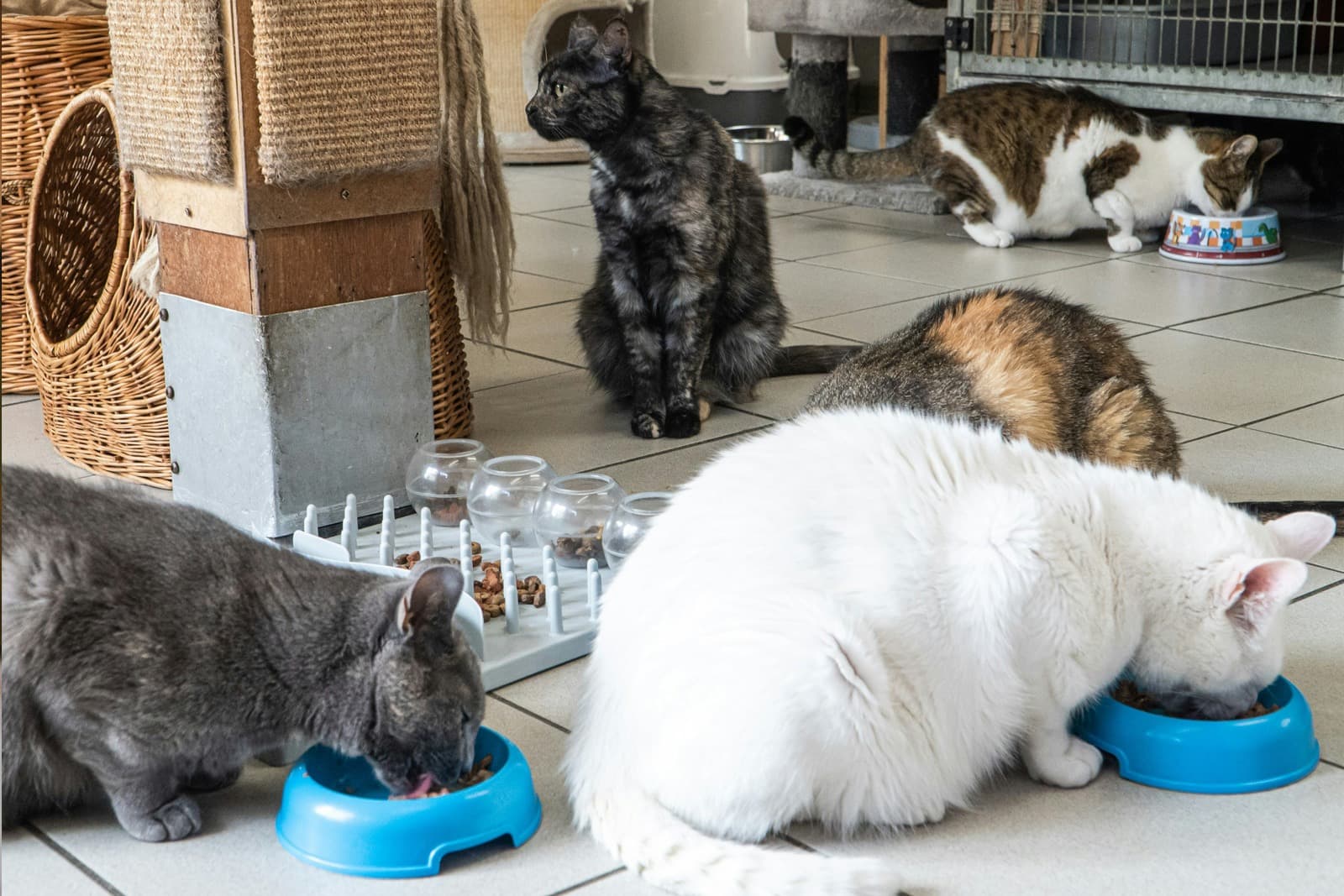
Cats are not naturally pack animals — but with the right setup, multiple cats can coexist peacefully. Here is the resource math, the pheromone tools, and the introduction protocol that turns most multi-cat tension around.
2026-04-29

Pet Behavior
How to Introduce a New Pet to Your Existing Pet
A rushed introduction is the #1 cause of long-term household tension between pets. The slow, structured protocol below — different for dogs, cats, and mixed-species households — turns most introductions into peaceful coexistence within weeks.
2026-04-27