PET HEALTH · 6 MIN READ
Common Cat Illnesses Every Owner Should Know
From kidney disease to hyperthyroidism to FLUTD, a guide to the conditions that affect U.S. cats most often — what to watch for, when to act, and what current treatment looks like.
Advertisement

Why Cat Owners Need This List
Cats are masters at hiding illness. The combination of subtle symptoms, vet visits avoided because of carrier stress, and a domestic environment that masks weight and activity changes means cat owners often catch disease later than dog owners.
This guide covers the eight most common feline illnesses U.S. veterinarians see, with the early signs each one tends to show. Spotting any of these patterns early is the difference between a routine treatment plan and a crisis-level diagnosis.
1. Chronic Kidney Disease (CKD)
Chronic kidney disease is the single most common age-related illness in cats. The general-population prevalence is about 1.2%, but it climbs to 3.6% in cats over 9 years old, and over 80% of cats show some evidence of CKD by age 15.
Early signs: increased thirst and urination, gradual weight loss, decreased appetite, occasional vomiting, dull or unkempt coat, bad breath with a chemical odor.
Diagnosis: bloodwork (BUN, creatinine, SDMA), urine specific gravity, blood pressure measurement.
Treatment: kidney-supportive prescription diet, fluid therapy (often subcutaneous fluids at home), phosphate binders, blood pressure medication, anti-nausea medication. Cats with CKD diagnosed early can live many years with good quality of life.
2. Hyperthyroidism
The most common endocrine disorder in cats, affecting up to 11.4% of cats over 9 years old. Caused by a usually benign tumor of the thyroid gland that overproduces hormone.
Early signs: weight loss despite a strong appetite, increased thirst and urination, hyperactivity, restlessness, occasional vomiting, unkempt coat, increased vocalization, intermittent diarrhea.
Diagnosis: a thyroid (T4) blood test. The condition is so common in older cats that the AAHA includes T4 testing in routine senior bloodwork.
Treatment: daily oral medication (methimazole), prescription diet (Hill's y/d), surgery, or radioactive iodine therapy (the gold-standard cure). Comorbidity with CKD is common — 15-51% of hyperthyroid cats have underlying kidney disease, which is unmasked once the thyroid is treated.
3. Feline Lower Urinary Tract Disease (FLUTD)
An umbrella term for several urinary conditions including idiopathic cystitis, urinary stones, and urethral obstruction. Stress, dehydration, obesity, and indoor lifestyle are major risk factors.
Early signs: straining or extended time in the litter box, frequent small urinations, urinating outside the box, blood in urine, excessive grooming of the genital area, vocalizing in the box.
Critical: a male cat straining to urinate without producing urine is a urinary blockage — a fatal emergency within 24-48 hours. Drive to the ER immediately.
Treatment: for non-blocked FLUTD, increased water intake (canned food, water fountains), stress reduction, prescription urinary diets, anti-anxiety medication when stress is the trigger. Blocked cats require emergency catheterization and often hospitalization.
4. Diabetes Mellitus
Affects roughly 0.5-1% of cats overall, but the rate is far higher in obese cats — obese cats are 2-4 times more likely to develop diabetes than ideal-weight cats.
Early signs: increased thirst and urination, increased appetite with weight loss, lethargy, weakness in the back legs, sweet or fruity breath odor.
Diagnosis: persistently elevated blood glucose plus a fructosamine test to rule out stress hyperglycemia (cats can spike blood glucose from vet stress alone).
Treatment: a low-carb prescription diet plus insulin injections (typically twice daily). Newer once-daily oral medications (Bexacat, approved 2022) are a game-changer for some cats. With diet management, some cats achieve diabetic remission.
5. Dental Disease
About 70% of cats develop some form of periodontal disease by age 3, and the prevalence climbs above 80% in geriatric populations. Dental disease in cats often includes a unique problem called tooth resorption — painful enamel breakdown not seen in humans the same way.
Early signs: bad breath, dropping food, chewing on one side, decreased grooming, drooling, occasionally a single bloody tooth area or a chattering jaw.
Treatment: dental cleaning under anesthesia, with full-mouth dental X-rays. Tooth resorption almost always requires extraction of the affected tooth.
6. Inflammatory Bowel Disease (IBD)
Chronic inflammation of the GI tract. Often confused with food allergies, hairballs, or simple stress.
Early signs: chronic vomiting (more than once or twice a month), chronic diarrhea or soft stool, weight loss, decreased appetite, increased gas.
Diagnosis: a workup ruling out parasites, infections, hyperthyroidism, and CKD; ultrasound; sometimes intestinal biopsy.
Treatment: hydrolyzed protein or novel-protein diet, B12 supplementation, anti-inflammatory medication (often a low-dose steroid). Some cats are managed with diet alone.
7. Heart Disease
Hypertrophic cardiomyopathy (HCM) is the most common form of feline heart disease. Often genetic in Maine Coons and Ragdolls but found in any breed. Can be silent for years.
Early signs: often none until late. Some cats show open-mouth breathing or panting (a serious sign in cats), exercise intolerance, sudden hindlimb paralysis (saddle thrombus from clot).
Diagnosis: heart murmur on exam (sometimes), proBNP blood test, echocardiogram (the definitive test).
Treatment: beta-blockers, diuretics, anti-clotting medication. Cats with diagnosed but stable HCM often live for many years with medical management.
8. Upper Respiratory Infections (URI)
Common in shelter cats, multi-cat households, and cats under chronic stress. Most are caused by feline herpesvirus or calicivirus, which never fully clears the body — flare-ups happen with stress.
Early signs: sneezing, watery or pus-like nasal and eye discharge, decreased appetite, mild fever, mouth ulcers (calicivirus).
Treatment: mostly supportive — fluids, hydration, appetite stimulants, lysine supplementation, antibiotics for secondary bacterial infections, sometimes antiviral eye medications. Severe cases need fluids and tube feeding.
9. Cancer in Older Cats
Cancer rates in cats rise sharply after age 10. Lymphoma is the most common feline cancer, often presenting as gastrointestinal disease (vomiting, diarrhea, weight loss) that mimics IBD. Mammary tumors in unspayed female cats and squamous cell carcinoma of the mouth or skin are also common.
Early signs: any new lump, persistent weight loss, sores that do not heal, chronic vomiting or diarrhea, decreased appetite over weeks, lethargy, difficulty eating.
Treatment: varies by type — surgery, chemotherapy, and radiation are all available for cats. Cats tolerate chemotherapy substantially better than humans, with most experiencing few side effects. Spaying before the first heat reduces mammary cancer risk by over 90%.
The Universal Cat Owner Rule
Cats often present with vague signs that owners assume are minor: drinking more, pickier appetite, hiding more, sleeping more. Each of these can be the only early sign of a serious illness. The single best preventive measure is the AAHA-recommended annual wellness exam through age 7 and twice-yearly exams after 7, ideally with senior bloodwork and urinalysis.
What to Track at Home
- Water intake. A measurable increase in thirst is one of the earliest signs of CKD, hyperthyroidism, and diabetes.
- Litter box habits. Volume, frequency, straining, accidents.
- Weight. Once a month if possible. Both weight loss and weight gain are diagnostically meaningful.
- Appetite. Real changes from baseline — not just one missed meal.
- Vomiting frequency. Once a month or more is not normal hairball behavior.
- Sleep and activity. Less play, more sleep, hiding, or restless sleep at night.
The Bottom Line
The conditions on this list are common, manageable, and dramatically more treatable when caught early. The single best thing a cat owner can do is get to know their cat's normal — what they eat, drink, look like, and act like — and respond to drift from that baseline before it becomes a crisis. An attentive owner plus an annual or twice-yearly vet visit catches most of these problems while they are still easy to manage.
This article is for informational purposes and is not veterinary advice. Always consult a licensed veterinarian about your pet's specific health concerns. In an emergency, call your vet or the ASPCA Animal Poison Control Center at (888) 426-4435.
RELATED READING
More from Pet Health
Pet Behavior
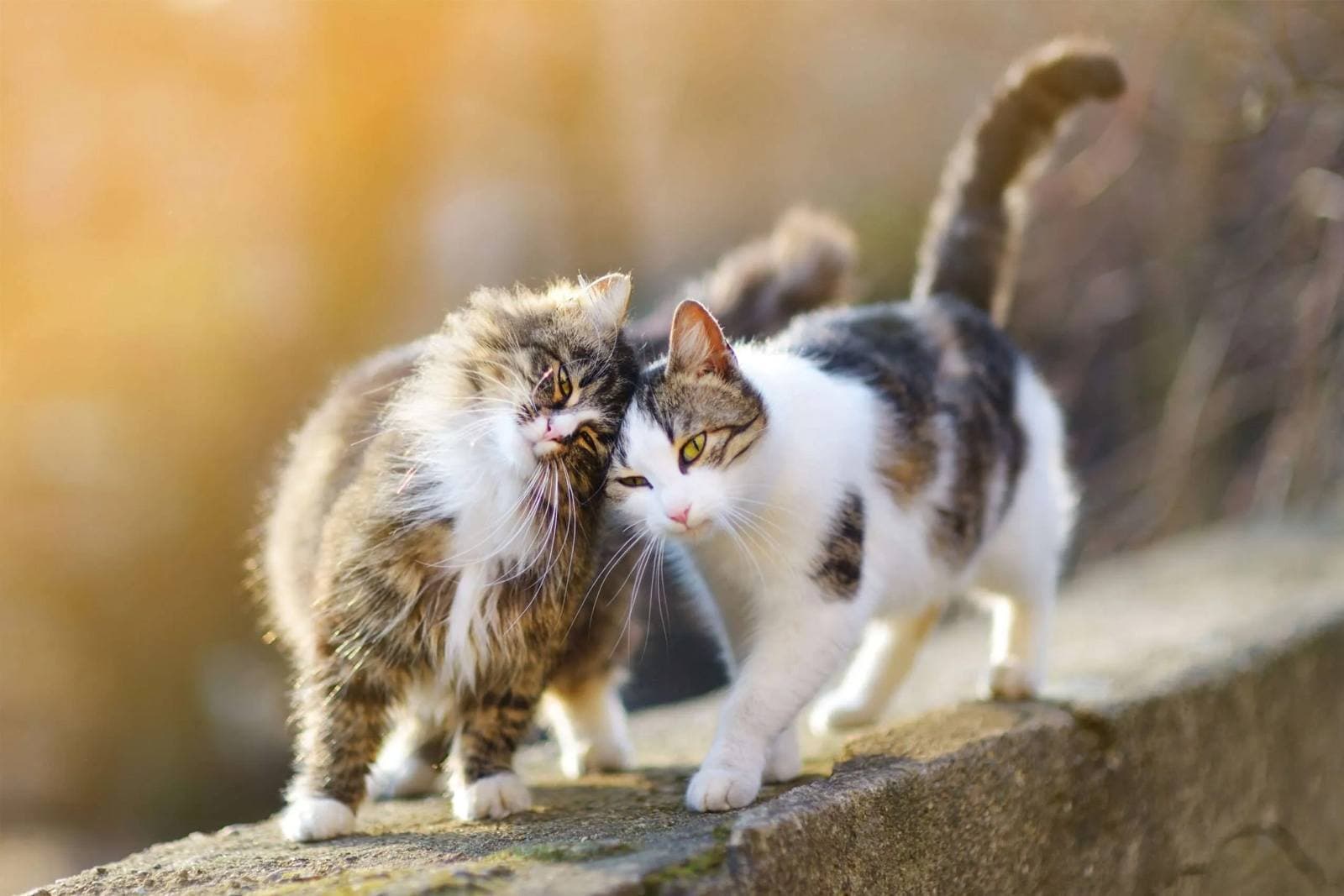
Cat Body Language: A Complete Tail, Ear, and Eye Guide
Cats communicate as much as dogs do, but their signals are subtler and easier to miss. Here is the complete guide to reading your cat's tail, ears, eyes, whiskers, and posture — and what each combination tells you about how they actually feel.
2026-05-05
Pet Behavior
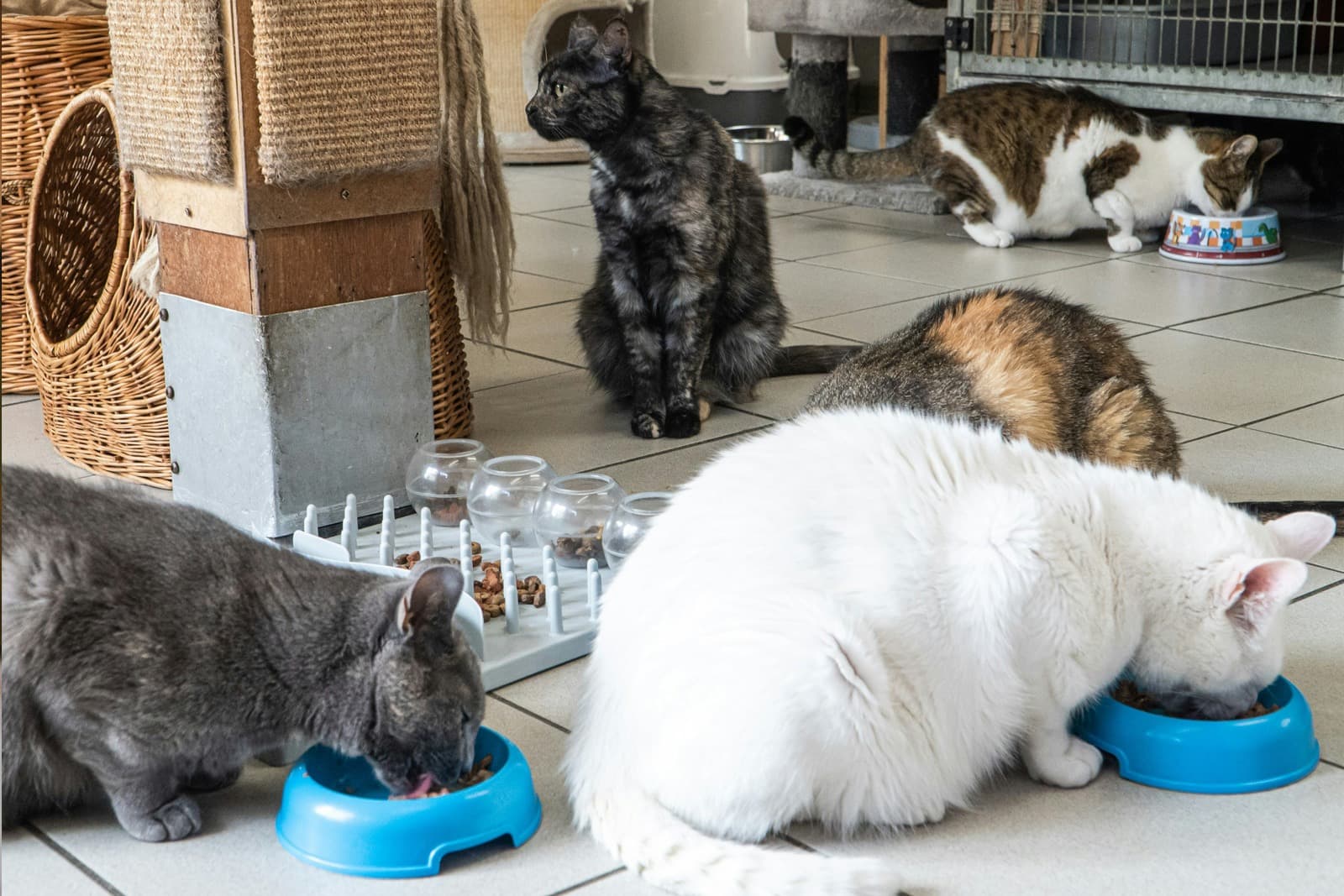
Multi-Cat Households: Reducing Tension and Conflict
Cats are not naturally pack animals — but with the right setup, multiple cats can coexist peacefully. Here is the resource math, the pheromone tools, and the introduction protocol that turns most multi-cat tension around.
2026-04-29

Pet Behavior
How to Introduce a New Pet to Your Existing Pet
A rushed introduction is the #1 cause of long-term household tension between pets. The slow, structured protocol below — different for dogs, cats, and mixed-species households — turns most introductions into peaceful coexistence within weeks.
2026-04-27