PET HEALTH · 5 MIN READ
Cat Dental Care: Protecting Your Feline's Teeth and Gums
Dental disease affects 70% of cats by age 3 and over 80% of geriatric cats. Here is what cat dental disease actually looks like, how to prevent it at home, and what professional care really involves.
Advertisement
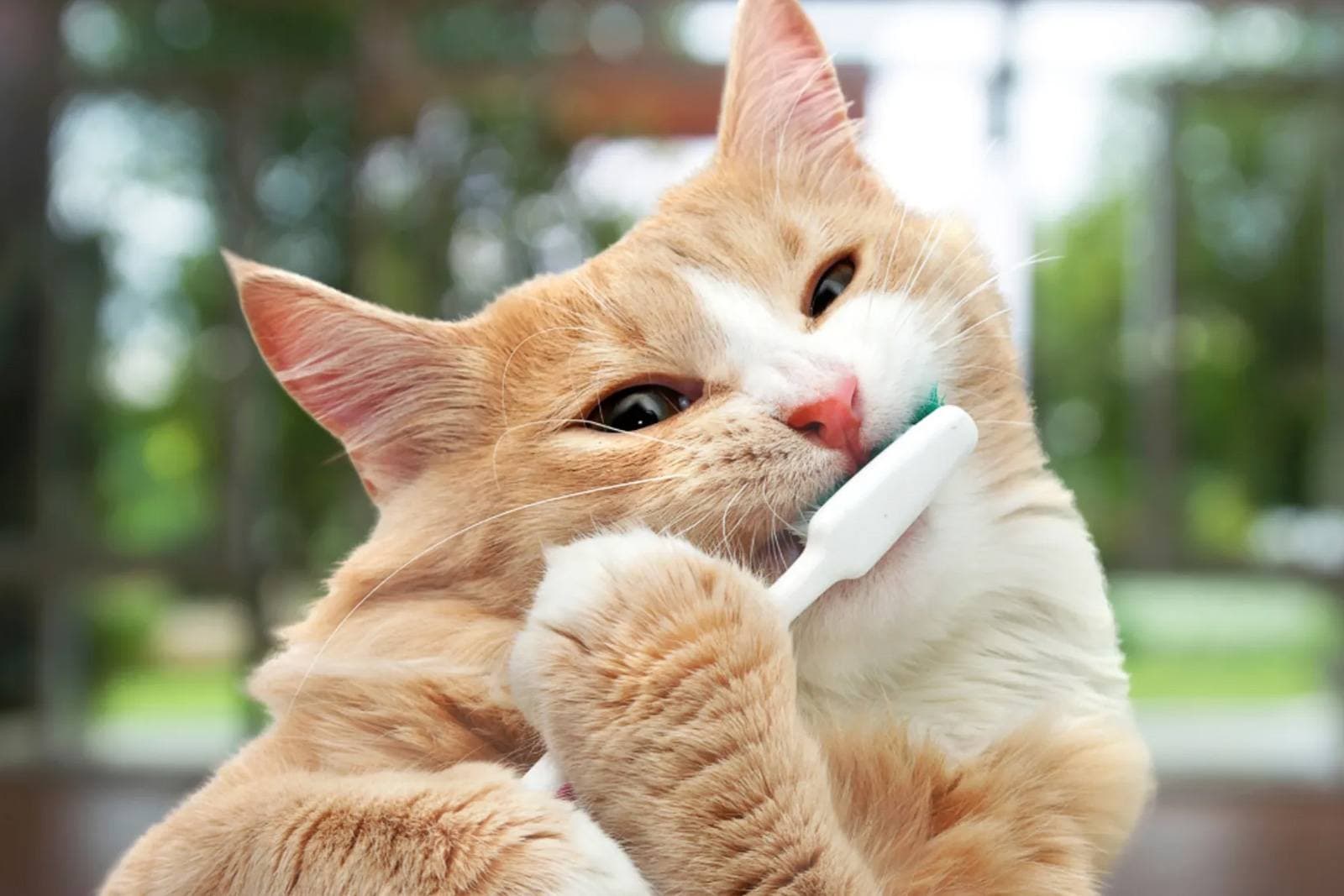
Why Cat Dental Health Is Bigger Than You Think
Dental disease is the most common medical problem affecting U.S. cats. According to AVMA-cited statistics, about 70% of cats develop some form of periodontal disease by age 3, and rates climb above 80% in mature and geriatric populations. Yet cats hide oral pain so well that most owners never notice until disease is advanced.
This is not just a cosmetic issue. Untreated dental disease causes chronic pain, bacterial infection that can spread to the heart, liver, and kidneys, and loss of teeth that affects quality of life for the rest of the cat's life. The good news: most feline dental disease is preventable or manageable with the right routine.
The Three Main Cat Dental Problems
Gingivitis and Periodontal Disease
The most common form of cat dental disease, ranging from mild gum inflammation to severe periodontal disease with bone loss. The progression follows a fairly predictable pattern: plaque builds up at the gumline, gums become inflamed, the supporting tissues and bone start to break down, and teeth eventually loosen.
Tooth Resorption
A condition unique to cats and a major reason feline dental disease is so different from human or canine dental issues. Tooth resorption is the body breaking down its own tooth structure for reasons not fully understood. It is intensely painful and often invisible without dental X-rays. Prevalence rises with age, affecting roughly 30-40% of cats overall and even higher rates in cats over 5 years old.
Stomatitis
A severe immune-mediated condition where the cat's body inflames the entire mouth. Less common than the other two, but devastating when present — these cats often need full-mouth tooth extraction to find relief.
Why Cats Hide Dental Pain So Well
Cats evolved as both predators and prey animals. Showing pain in the wild marks them as targets. That evolutionary heritage means a cat with a fractured tooth or a painful resorption lesion will often eat normally, groom normally, and behave normally — until the disease is severe enough that hiding is no longer possible. By that point, what could have been a $400 cleaning has become a $1,500 surgical extraction.
Signs Worth Investigating
- Bad breath. Healthy cat mouths should smell mildly fishy at most. Strongly foul or rotting odor signals infection.
- Drooling beyond normal anticipation of food.
- Dropping food from the mouth while eating, or chewing only on one side.
- Pawing at the mouth or rubbing the face on furniture.
- Reduced grooming — a cat who used to groom regularly and now has a scruffy coat is often in oral pain.
- Decreased appetite for hard food while still eating wet food.
- Chattering jaw when eating something cold or crunchy.
- Visible tartar, red gums, or loose teeth.
- Behavioral changes — irritability, hiding, less interaction.
Any of these signs warrants a vet visit. Cats that have not had a professional dental exam in over a year almost always benefit from one.
Home Dental Care
Brushing
Daily tooth brushing is the gold standard. Use:
- A soft-bristle pet toothbrush or finger brush sized for cats.
- Enzymatic pet toothpaste — never human toothpaste, which contains xylitol or fluoride toxic to pets.
Most cats need a slow introduction. Start by letting your cat lick the toothpaste off your finger for several days. Once the cat associates the taste with positive interaction, gently rub the gums with a finger, then graduate to a brush. Brief, daily sessions of 30 seconds work better than rare longer attempts. Even brushing 2-3 times per week significantly reduces plaque accumulation.
Dental treats and diets
Look for products with the Veterinary Oral Health Council (VOHC) seal — the only third-party certification of dental claims for pet products. VOHC-approved options include Hill's Science Diet Oral Care, Royal Canin Dental, Greenies Feline Smartbites, and several other commercial diets and treats.
Dental treats are not a replacement for brushing. They reduce plaque build-up modestly but do not address tooth resorption, periodontal pockets, or back-teeth tartar.
Water additives and oral gels
Liquid additives like Healthymouth (VOHC-approved) provide modest plaque reduction. Oral gels and rinses are easier than brushing for some cats but less effective.
Professional Dental Cleanings
The single most important component of feline dental care is the professional cleaning under general anesthesia, called a COHAT (Comprehensive Oral Health Assessment and Treatment) in modern veterinary dentistry. This is the only way to:
- Clean below the gumline where most disease lives.
- Take full-mouth dental X-rays — essential for catching tooth resorption and root abscesses invisible to the naked eye.
- Probe each tooth for periodontal pocket depth.
- Polish the teeth to slow plaque return.
- Extract diseased teeth painlessly while the cat is asleep.
Most cats benefit from a professional cleaning every 1-2 years; cats with chronic dental issues may need more frequent visits.
What to Expect After a Dental Procedure
Cats recover from dental procedures faster than most owners expect. Typical post-cleaning recovery:
- The day of: some grogginess from anesthesia, mild reluctance to eat hard food, possible mild bleeding from extraction sites.
- Days 1-3: back to mostly normal energy. Soft food only if extractions were done. Pain medication for several days for any extractions.
- Days 4-7: typical activity resumes. Stitches in the mouth dissolve on their own.
- Two-week check: recheck appointment confirms gum healing if extractions were done.
Cats who had multiple extractions, including the rare full-mouth extractions for stomatitis, often show dramatic improvement in mood and appetite within 1-2 weeks once chronic mouth pain resolves. Many owners report their cat seems younger after recovery.
The Anesthesia Question
Many owners worry about anesthesia for older cats. Modern veterinary anesthesia, with pre-anesthetic bloodwork, IV catheters, and continuous monitoring, is significantly safer than it was even a decade ago. Studies suggest the risk of anesthetic complication in healthy cats is roughly 0.1%. The risks of skipping a dental cleaning — chronic pain, jaw infection, kidney damage from oral bacteria — substantially outweigh the anesthetic risk for most cats.
Anesthesia-free dental cleanings (often offered by groomers) only address visible surface tartar; they cannot clean below the gumline, take X-rays, or treat tooth resorption. The American Veterinary Dental College considers them inadequate for any actual dental disease.
Cost Expectations
| Service | Typical Cost |
|---|---|
| Routine cleaning (no extractions) | $300-$700 |
| Cleaning with X-rays | $400-$900 |
| Cleaning with extractions | $700-$2,000+ |
| Full-mouth extraction (severe stomatitis) | $1,500-$4,000+ |
Pet insurance typically covers dental disease as long as it was not pre-existing at enrollment. Many shelters offer reduced-cost dental services for adopted cats. Veterinary teaching hospitals offer significant discounts for owners willing to allow students to participate.
The Bottom Line
Cat dental disease is so common — affecting 70% of cats by age 3 — that every cat owner should treat it as a near-certainty rather than a possibility. A combination of regular home care (brushing, VOHC-approved products) and professional cleanings every 1-2 years catches most disease before it becomes painful or expensive. Annual mouth checks at your routine vet visit are the cheapest insurance against the silent oral pain cats are notorious for hiding.
This article is for informational purposes and is not veterinary advice. Always consult a licensed veterinarian about your pet's specific health concerns. In an emergency, call your vet or the ASPCA Animal Poison Control Center at (888) 426-4435.
RELATED READING
More from Pet Health

Pet Behavior
Cat Body Language: A Complete Tail, Ear, and Eye Guide
Cats communicate as much as dogs do, but their signals are subtler and easier to miss. Here is the complete guide to reading your cat's tail, ears, eyes, whiskers, and posture — and what each combination tells you about how they actually feel.
2026-05-05

Pet Behavior
Multi-Cat Households: Reducing Tension and Conflict
Cats are not naturally pack animals — but with the right setup, multiple cats can coexist peacefully. Here is the resource math, the pheromone tools, and the introduction protocol that turns most multi-cat tension around.
2026-04-29

Pet Behavior
How to Introduce a New Pet to Your Existing Pet
A rushed introduction is the #1 cause of long-term household tension between pets. The slow, structured protocol below — different for dogs, cats, and mixed-species households — turns most introductions into peaceful coexistence within weeks.
2026-04-27