PET FEEDING · 5 MIN READ
How to Switch Pet Food Safely: The 7-10 Day Transition
Sudden food changes are one of the most common reasons pets show up at the vet with diarrhea. The fix is the slow gradual transition. Here is the protocol vets recommend, plus what to do when things go sideways.
Advertisement
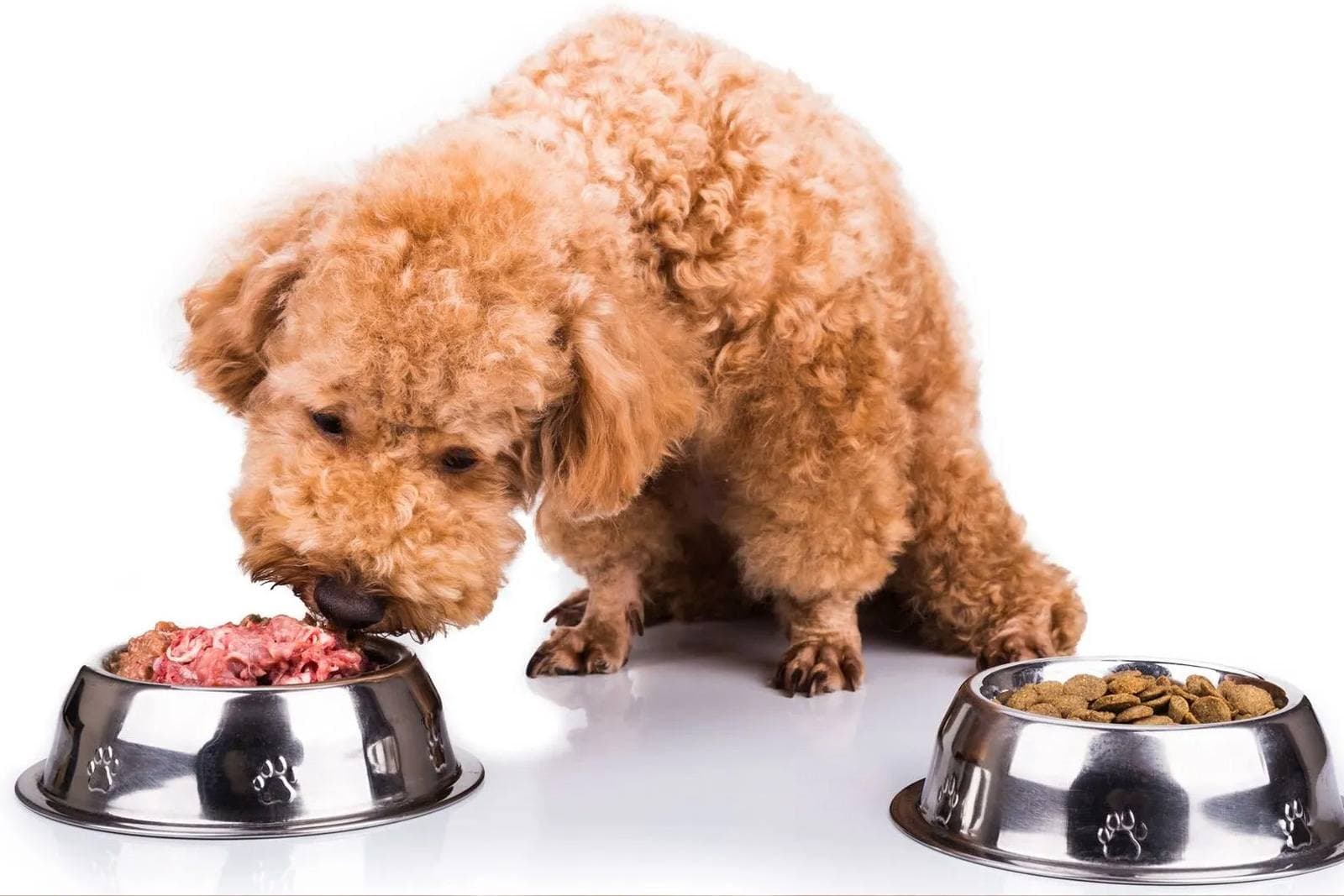
Why Transitions Matter
Sudden food changes are one of the most common reasons pets show up at the vet with diarrhea, vomiting, or appetite loss. The cause is rarely the new food itself — it is the speed of the change. The gut bacteria that ferment and absorb your pet's current food are adapted to that specific protein and fiber profile. Drop a new food in cold and the existing bacterial population is overwhelmed.
The fix is the slow gradual transition. The American Kennel Club and most veterinary nutritionists recommend 7-14 days for routine food changes; longer for sensitive pets or significant ingredient shifts.
The Standard 7-10 Day Protocol
The most widely recommended schedule:
| Day | Old food | New food |
|---|---|---|
| Days 1-3 | 75% | 25% |
| Days 4-6 | 50% | 50% |
| Days 7-9 | 25% | 75% |
| Day 10+ | 0% | 100% |
Mix the two foods physically in the bowl at each meal. The mixing matters — feeding all old food at one meal and all new food at the next is not the same thing.
When to Slow Down
Some pets need a longer transition. Slow down to a 14-21 day schedule if:
- Your pet has a known sensitive stomach.
- You are switching protein sources (chicken to fish, beef to lamb).
- You are switching food forms (dry to wet, kibble to fresh, conventional to grain-free).
- Your pet has had GI upset on previous food changes.
- Your pet is a young puppy, kitten, or senior.
- Your pet is on medications that affect the gut.
For these cases, extend each percentage stage to 5-7 days instead of 3.
What to Watch For
Normal during transition
- Mild softening of stool (still formed).
- Slightly altered eating pace (faster or slower).
- Occasional gas.
Slow down or pause if you see
- Diarrhea (loose, formless stool).
- Vomiting more than once.
- Refusal to eat.
- Significant lethargy.
If symptoms appear, hold the current ratio for 2-3 extra days, or back up one stage. Once stool is firm again, resume the schedule.
Stop and call the vet if you see
- Diarrhea lasting more than 48 hours.
- Blood in vomit or stool.
- Severe lethargy or weakness.
- Total food refusal beyond 24 hours (cats: 24 hours is concerning; cats can develop hepatic lipidosis quickly).
Helpful Aids During Transition
- Plain canned pumpkin (1-3 tablespoons depending on pet size) provides soluble fiber that helps both diarrhea and constipation. Pure pumpkin only — never pumpkin pie filling, which contains spices and sugars.
- Probiotics labeled for pets (FortiFlora, Proviable, Visbiome Vet) can support gut bacteria during change. Effects are modest but well-tolerated.
- Bone broth (unsalted, no onion or garlic) added over food can improve palatability for picky eaters during the switch.
Special Situations
Switching due to a recall
If you need to switch immediately because of a recall, do the transition over 3-4 days rather than skipping it entirely. Even a fast transition is better than a cold switch.
Switching to a prescription diet
Often the new diet must be started immediately for medical reasons (kidney diet for CKD, urinary diet after a blockage). Your vet may recommend a faster transition; follow their guidance.
Switching from kitten/puppy to adult food
Most cats and dogs transition around 12 months (large breeds 18-24 months). Use the standard 7-10 day protocol.
Switching multi-pet households
Transition one pet at a time when possible. If feeding all pets together, the standard protocol still works — just expect to refresh the bowl with the right ratio for each meal.
Picky Eaters and Transition
Some pets — especially cats — refuse to eat new food they can detect. A few strategies:
- Start with very small amounts of new food (10-15% rather than 25%) and slow the transition further.
- Mix the two foods thoroughly so the new flavor is distributed.
- Try the new food in a different bowl or location.
- Slightly warm wet food to enhance aroma.
- For cats, do not assume hunger will overcome refusal — cats can refuse food long enough to develop liver disease.
If a cat refuses the new food beyond a few meals, return to the previous food and consult your vet before trying a different brand.
Transitioning Between Food Forms
| Switch | Recommended duration |
|---|---|
| Dry to dry, similar formulation | 7-10 days |
| Wet to wet, similar formulation | 7-10 days |
| Dry to wet (or vice versa) | 10-14 days |
| Conventional to grain-free or vice versa | 14 days |
| Conventional to fresh/raw | 14-21 days |
| Conventional to therapeutic diet | Per vet guidance, often 7 days |
Common Mistakes
- Cold switching. The most reliable cause of GI upset.
- Switching multiple things at once (new food + new treats + new diet, all the same week).
- Pushing through symptoms. If your pet is uncomfortable, slow down.
- Thinking short symptoms mean the new food is wrong. Some GI adjustment is normal; persistent symptoms are not.
When the Transition Is Failing
If you have followed the protocol carefully and your pet still does poorly on the new food after a full transition:
- Check for an ingredient mismatch. Some pets have specific protein sensitivities; a chicken-based food may not work for a dog with a chicken allergy.
- Reconsider the brand. Some manufacturers' formulations are simply not well tolerated by certain pets despite meeting all standards.
- Look for hidden changes. The bag may say complete and balanced, but a recent reformulation could have changed the nutrient profile. Check the manufacturer's website for any recent changes.
- Consult your vet. Persistent GI symptoms after a careful transition usually warrant a workup for underlying GI conditions (IBD, food responsive enteropathy, EPI).
Storage and Freshness During Transition
Switching foods is a good time to check storage practices. Both old and new food should be:
- Stored in original bags (the bag is engineered for freshness). If you transfer to a container, place the original bag inside it.
- Kept in cool, dry locations away from direct sunlight.
- Used within 4-6 weeks of opening for dry food.
- Refrigerated within 2-3 days of opening for wet food.
Stale or oxidized food can cause GI symptoms that look like food intolerance. If your pet is having trouble with a new food, confirm both bags are within their best-by dates and stored properly.
What About Rotational Feeding?
Some pet owners deliberately rotate between several different foods to provide nutritional variety and reduce the risk of intolerance to any one formulation. The approach is reasonable, but does require patience: each rotation needs the same gradual transition. Most pets do best with stable diets unless there is a specific reason to rotate.
The Bottom Line
Almost every pet food transition can succeed with a few days of extra patience and a clear protocol to fall back on. Start at 25% new food, increase by another 25% every three days, and watch your pet's stool consistency throughout. Slow down if needed; pause and reassess if symptoms appear; call your vet if anything is severe. The 10 minutes of meal-mixing per day is a small investment for a smooth switch, and the alternative — a stressed pet, a vet visit, and a potentially abandoned food experiment — is much more costly in time and money.
This article is for informational purposes and is not veterinary nutrition advice. For specific dietary recommendations for your pet, consult your veterinarian or a board-certified veterinary nutritionist (DACVN).
RELATED READING
More from Pet Feeding
Pet Adoption
The Complete Pet Adoption Process Guide
Walk through every step of the U.S. pet adoption process — from honest readiness questions to your first vet visit — with realistic timelines and the most common pitfalls to avoid.
2026-05-05
Pet Breed
How to Choose the Right Pet Breed for Your Lifestyle
Of all the decisions in pet ownership, breed choice has the longest-running consequences. Here is the framework veterinary behaviorists, AKC counselors, and rescue placement coordinators use to match breeds to actual lives — and the most common mistakes that produce mismatches.
2026-05-09
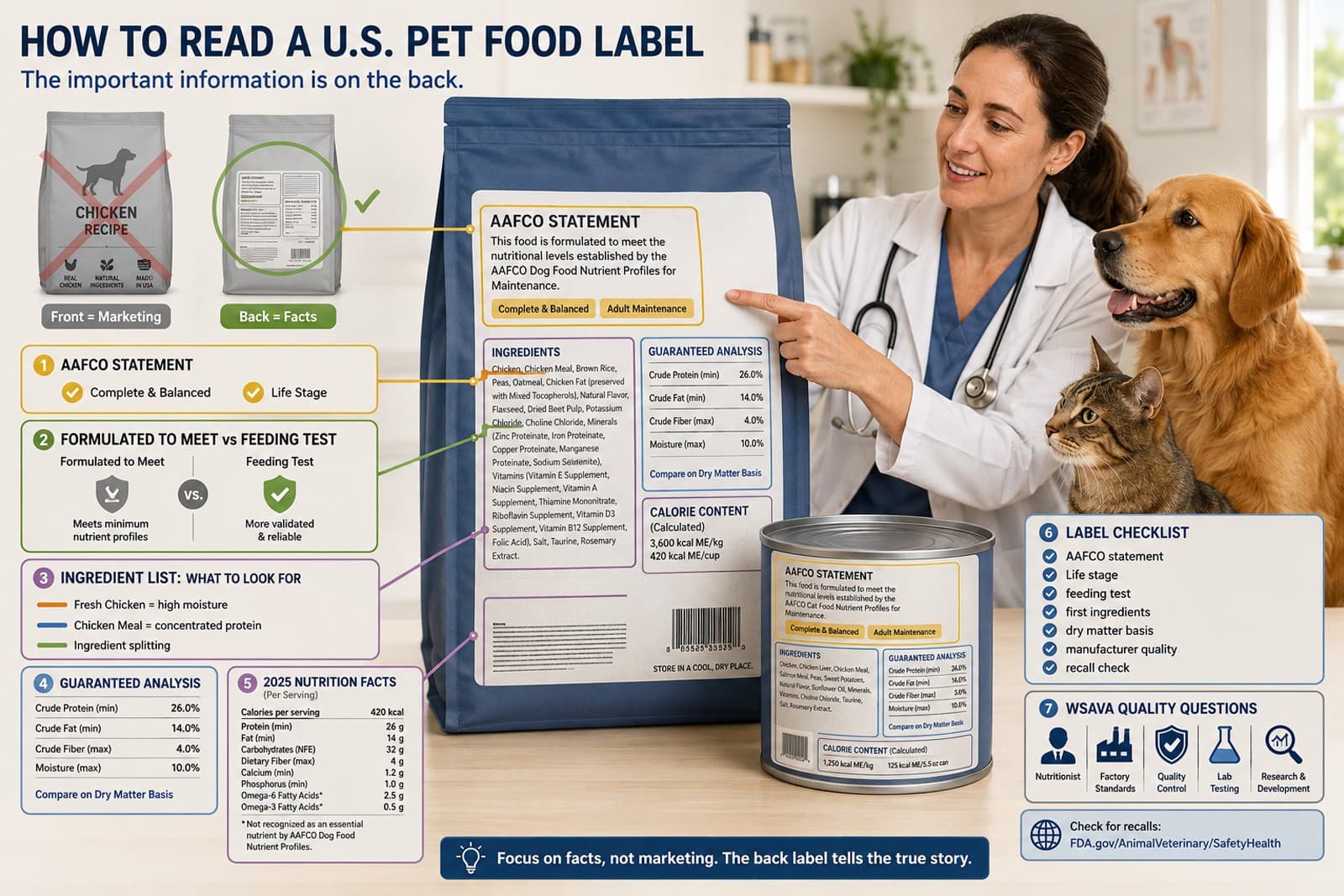
Pet Feeding
How to Read a Pet Food Label
Pet food labels are dense, regulated documents that contain almost everything you need to know about a product — if you understand the code. Here is how to decode the AAFCO statement, ingredient list, guaranteed analysis, and the new 2025 Nutrition Facts panel.
2026-05-08