PET ADOPTION · 6 MIN READ
The Complete Pet Adoption Process Guide
Walk through every step of the U.S. pet adoption process — from honest readiness questions to your first vet visit — with realistic timelines and the most common pitfalls to avoid.
Advertisement
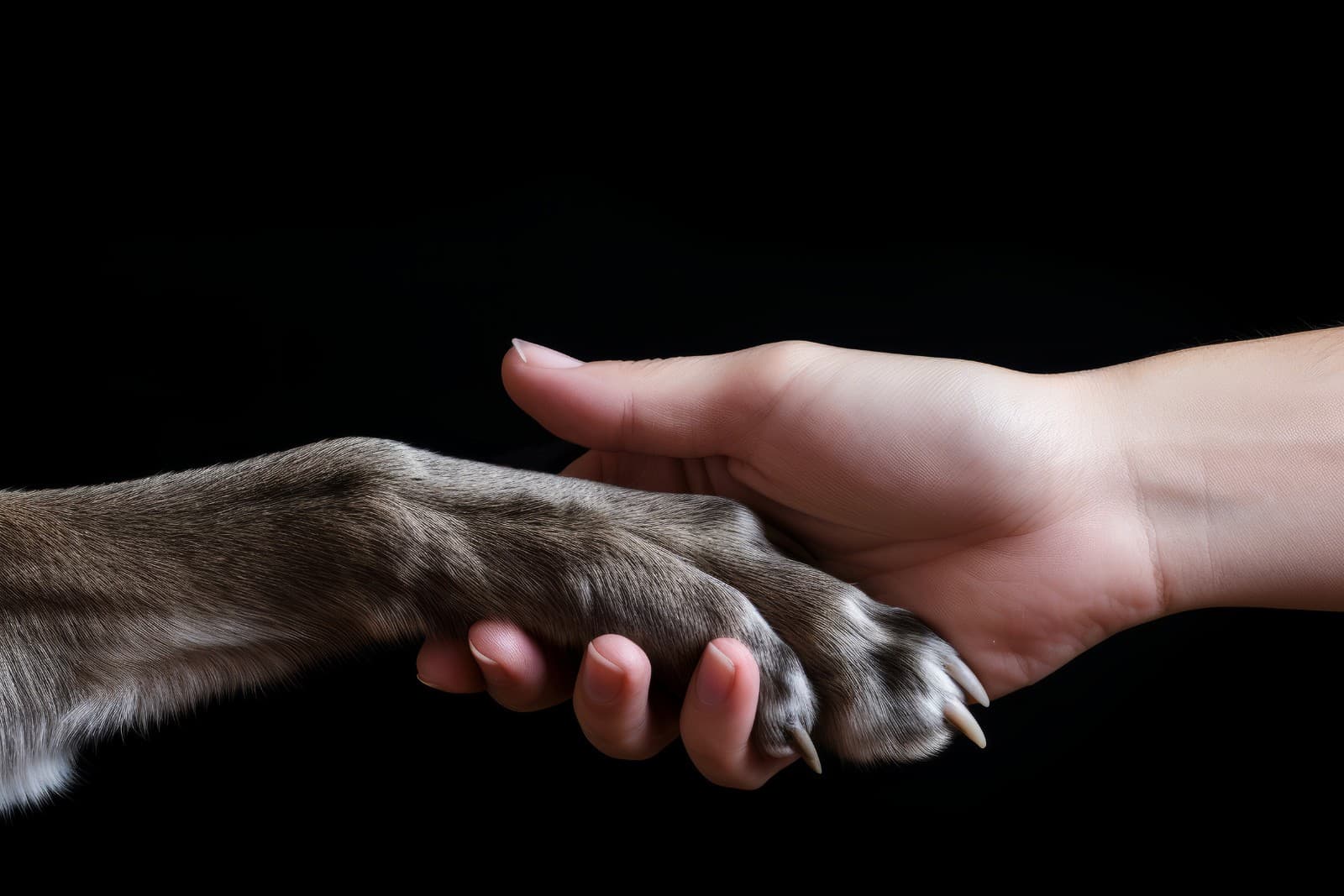
The State of Pet Adoption in the U.S. Today
In 2025, 4.2 million dogs and cats were adopted from U.S. shelters and rescues — a one-percent increase over the prior year, according to Shelter Animals Count. At the same time, shelters took in roughly 5.7 million animals from their communities, with stray pickups accounting for 59 percent of intake. The numbers say something simple: there are millions of pets waiting, and adoption is one of the most direct ways to help.
The process itself is more involved than most first-time adopters expect. A good shelter is not handing out animals at the door — they are trying to make a match that lasts a lifetime. This guide walks through every step, from your first browse to the first vet visit, with realistic expectations at each stage.
Step 1: Make Sure You Are Ready
Before you start browsing pets, do an honest self-check. The Synchrony 2025 Lifetime of Care Study found that lifetime costs for a dog now range from $22,125 to over $60,000, and from $20,000 to over $47,000 for a cat — and nearly eight in ten owners underestimate the total. First-year costs alone average $1,300 to $2,800 for a dog and $960 to $2,500 for a cat.
Beyond money, factor in time, lifestyle, and housing. A puppy needs four to six potty breaks a day, kittens need supervised play to discourage furniture-scratching, and adult dogs need at least one solid daily walk. If you rent, confirm your landlord's pet policy in writing — including breed and weight limits — and budget for any pet deposit or monthly pet rent. If you live with a partner, family, or roommates, make sure everyone agrees you are getting a pet.
Step 2: Choose Where to Adopt From
U.S. adopters generally choose between three sources.
- Open-intake municipal shelters accept all animals from their jurisdiction. They tend to have a wide mix of ages, breeds, and personalities; their adoption process is usually faster, and fees are lower.
- Private and breed-specific rescues often operate in foster homes rather than a central facility. They can give you more behavioral information about the pet you are interested in but may have a longer application process.
- Foster-based rescues let you meet a pet in a home environment, which can reveal personality traits a shelter setting hides.
The 2024 American Pet Products Association National Pet Owners Survey found that 51 percent of dog owners said they preferred to adopt from a shelter, and 42 percent from a rescue. Most major adoption sites — including Petfinder and Adopt-a-Pet — let you filter by both type of organization and your location.
Step 3: Browse and Identify Candidates
Look beyond the photo. Read the bio carefully and pay attention to phrases like needs a quiet home, no small children, or strong leash skills required. These are honest signals from staff and volunteers who know the animal. A pet's listed breed is also usually a guess — most shelter dogs are mixed-breed — so use it as a rough hint about adult size and energy, not a strict identity.
Make a short list of two to three candidates. If you fall in love with one specific pet from a photo and they are not a good fit when you meet, you want options.
Step 4: Submit the Application
A typical pet adoption application is one to two pages and asks about your home, work schedule, experience with pets, current animals in the household, and your plan for veterinary care. Most shelters request a personal reference and ask permission to call your veterinarian if you have one. Some — especially breed-specific rescues — also conduct a brief home visit, which usually takes just 10 to 15 minutes.
Application policies vary widely. Many large shelters now follow the Humane Society of the United States's Adopters Welcome philosophy, which removes traditional barriers like fence checks, vet references, and home visits in favor of a conversational matchmaking approach. Research cited by the HSUS shows that returns do not increase when these restrictions are lifted. Smaller breed-specific rescues, by contrast, often still maintain stricter requirements.
To improve your chances of approval:
- Be honest. If you work long hours, say so; the shelter can help you choose a pet who tolerates alone time.
- Tell your current or past veterinarian you are using them as a reference, and make sure your records are up to date.
- Have your landlord's written permission ready if you rent.
- Apply for a pet whose listed energy level and needs match your real lifestyle, not your aspirational one.
Application processing can take anywhere from a few hours to a week or more. Be patient and respond to follow-up emails or calls promptly.
Step 5: Meet and Greet
Once your application is approved, the shelter will set up a meeting. Plan to spend at least 30 minutes together in a quiet area. Bring everyone in your household — including children and any current dogs, if the shelter allows. Watch for these signs of a good match:
- The pet relaxes around you within a few minutes (does not freeze, growl, or hide for the entire visit).
- Behavior is consistent with what staff described.
- You feel calm, not pressured, while making the decision.
It is okay to walk away. A polite I do not think this is the right match is a normal part of the process — shelter staff would much rather you leave without a pet than return one a month later.
Step 6: Pay the Adoption Fee
Adoption fees in the United States typically range from $50 to $375. Puppies and kittens cost more than adult animals, and breed-specific rescue fees can be higher. The fee usually covers a substantial bundle of medical care:
- A wellness exam by a licensed veterinarian.
- Age-appropriate vaccinations.
- Spay or neuter surgery (or a voucher if the pet is too young).
- A microchip with initial registration.
- Initial flea, tick, and heartworm prevention.
- Sometimes deworming and a starter bag of food.
Add up the retail value of those services and the adoption fee usually comes out a fraction of what you would pay buying a pet from a breeder and arranging the same care yourself.
Step 7: Sign the Contract
The adoption contract is a legal document — read it before signing. Most contracts include:
- A return clause requiring you to bring the pet back to the shelter (rather than rehome them yourself) if things do not work out.
- A spay/neuter requirement if the pet was too young to be altered before adoption.
- A statement that the pet is not to be used for breeding, fighting, or sold.
- Acknowledgement of any known medical or behavioral issues.
Ask questions about anything you do not understand. Reputable shelters welcome the conversation.
Step 8: Schedule the First Vet Visit
The American Animal Hospital Association and AVMA recommend a wellness exam within the first one to two weeks of bringing home a new pet, even if the shelter has already done a checkup. The first visit establishes a baseline, sets up a vaccination schedule (the 2022 AAHA Canine Vaccination Guidelines, updated in 2024, now list leptospirosis among recommended core vaccines), and screens for parasites that shelter exams sometimes miss.
Bring all paperwork the shelter gave you. Ask the vet to confirm the microchip is registered correctly and to flag any breed-specific health concerns to watch for as your pet ages.
Common Pitfalls to Avoid
- Adopting on impulse. The decompression period is hard enough without buyer's remorse. If you are not sure, sleep on it.
- Underestimating the cost. The Synchrony study is clear: most owners are caught off guard. Build a small emergency vet fund of $500 to $1,000 before adoption.
- Choosing on looks alone. Energy level and temperament matter ten times more than breed appearance.
- Skipping the meet-and-greet for current pets. Existing animals deserve a vote. Most shelters can arrange a controlled introduction.
- Not registering the microchip. Roughly 40 percent of microchipped pets have outdated or incomplete registration; do not let your new pet be one of them.
The Bottom Line
The pet adoption process is built around a single goal: making a match that sticks. Going in with realistic expectations, honest answers, and patience is the difference between a quick approval and a frustrating loop. Whatever shelter you work with, lean on their staff — they know their animals, they have seen every type of household, and their job is to set you both up to succeed.
RELATED READING
More from Pet Adoption

Pet Adoption
How to Prepare Your Home for a New Pet
A room-by-room safety checklist, the supplies you actually need, and how to set up a decompression space — everything to do before your adopted dog or cat walks through the door.
2026-05-06

Pet Adoption
Surviving the First 30 Days with Your New Pet
From the moment you walk through the door together to the day they finally feel at home — a realistic, week-by-week guide to the first month, including the famous 3-3-3 rule and what to do when things feel harder than expected.
2026-05-04

Pet Adoption
Shelter vs. Rescue vs. Breeder: Which Is Right for You?
A clear-eyed look at the main paths to bringing a pet home in the U.S. — what each costs, what you actually get, and the red flags to watch for so you choose with confidence.
2026-05-02