PET BREED · 5 MIN READ
The 10 Most Popular Cat Breeds in the U.S.
Most American cats are mixed-breed, but for owners committed to a specific pedigree, certain breeds dominate the rankings. Here are the 10 most popular cat breeds, what each is actually like to live with, and the considerations specific to each.
Advertisement
The Real Picture of U.S. Cat Ownership
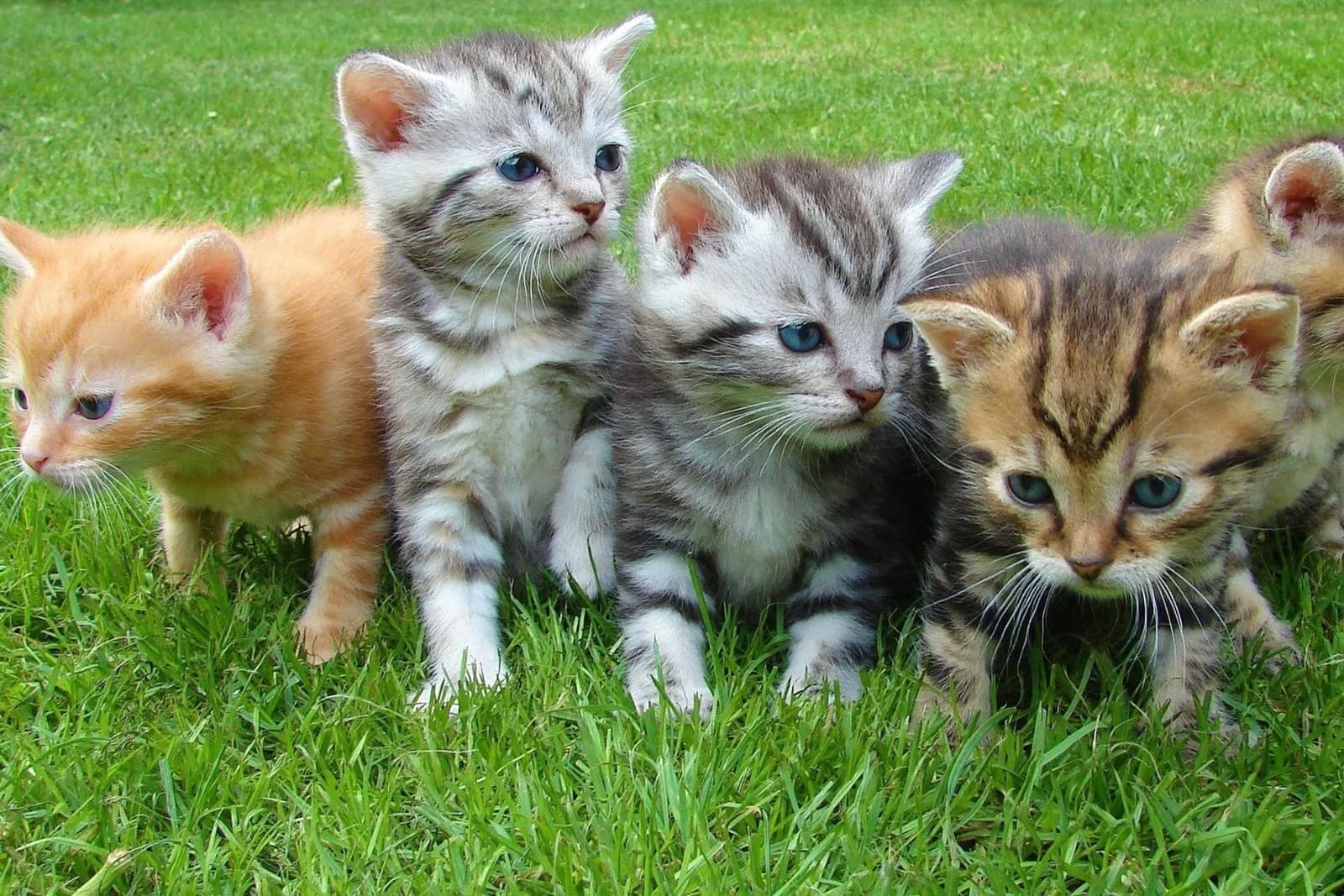
Unlike dogs, where breed registrations are tracked closely, cat breed popularity is harder to measure. The Cat Fanciers' Association (CFA) and The International Cat Association (TICA) both publish annual rankings, but most U.S. cats — over 95% — are mixed-breed cats with no formal pedigree. The breed-popularity rankings reflect what serious cat enthusiasts and breed buyers choose; the broader American cat-owning population mostly adopts shelter cats whose breed mix is unknown or guessed.
That said, certain pure breeds are dramatically more popular than others, and each has a personality profile that helps prospective owners pick a match. This guide covers the 10 most consistently popular breeds, what they are actually like to live with, and the considerations specific to each.
1. Ragdoll
The CFA's most popular breed for several years running. Ragdolls are large (10-20 lb), longhaired, and famously docile — the breed got its name because they often go limp when picked up. Affectionate, social, often described as dog-like in their willingness to follow owners room to room. Health considerations: hypertrophic cardiomyopathy (HCM) is the most common breed-specific concern; reputable breeders test for it.
2. Maine Coon
One of the largest domestic cat breeds (males regularly 13-18 lb, occasionally larger). Long, water-resistant double coat. Friendly, intelligent, often described as gentle giants. Famously vocal but with chirps and trills rather than meows. Health: HCM and hip dysplasia are documented breed risks.
3. British Shorthair
Plush teddy-bear coats and round faces. Calm, reserved, dignified — not lap cats by default but loving with their family. Adaptable to most home environments. Generally healthy with relatively few breed-specific concerns. Lifespan 14-20 years.
4. Persian
The classic luxury cat — long coat, flat face, calm demeanor. Persians are quiet, gentle, and prefer relaxed households. Significant grooming needs (daily brushing) and brachycephalic health concerns (tear duct issues, breathing). Polycystic kidney disease (PKD) is a documented breed risk.
5. Devon Rex
Distinctive curly short coats and large bat-like ears. Active, social, mischievous. Often called monkeys in cat suits for their playful personalities. Low-shedding but coat is fragile. Hereditary heart disease and patellar luxation are concerns.
6. Sphynx
Hairless cats with warm, suede-like skin. Affectionate, social, attention-seeking. Need regular bathing because they have no fur to absorb skin oils. Cold-sensitive — sweater required in cool homes. HCM is documented in the breed.
7. Abyssinian
Active, agile, ticked-coat cats with distinctive wild appearance. Highly playful and curious. Need substantial enrichment — they are the cat closest in personality to a dog. Health: some breed-specific concerns including pyruvate kinase deficiency and progressive retinal atrophy.
8. American Shorthair
The classic working cat of America — descended from European cats brought by colonists. Sturdy, healthy, easygoing. Excellent with children. Low grooming needs. Generally one of the healthiest pure breeds with few specific concerns.
9. Scottish Fold
Famous for the folded-down ears caused by a cartilage gene mutation. The same mutation is associated with osteochondrodysplasia, a painful skeletal condition affecting all Scottish Folds to varying degrees. The breed is now banned by some major cat registries on welfare grounds. If you love the look, consider that your cat may experience joint pain throughout life.
10. Siamese (and Modern Variants)
The classic vocal cat. Highly social, intensely bonded to their humans, intelligent. Distinctive color points. Modern show Siamese are bred to extreme angularity; traditional or applehead Siamese have a more moderate appearance. Health: some breed-specific issues including amyloidosis and dental crowding.
Honorable Mentions
Bengal
Wild-looking spotted cats descended from crosses with Asian Leopard Cats. High energy, demanding, intelligent — closer to a small wild cat in behavior than typical domestic cats. Need significant enrichment and vertical space. Increasing in popularity but not a beginner-friendly breed.
Burmese
Compact, muscular, shorthaired. Affectionate, social, and famously people-oriented — sometimes called dogs in cat suits for their bonding intensity. Generally healthy with lifespan 16-20 years. Excellent family cat.
Birman
Long-haired, blue-eyed, color-pointed cats with characteristic white socks. Calm, gentle temperament. Less grooming required than Persians or Maine Coons. Generally healthy.
Norwegian Forest Cat
Large, longhaired cats from Scandinavia. Cold-hardy, robust, friendly without being clingy. Similar in size to Maine Coons. HCM is a documented breed concern.
Egyptian Mau
One of the few naturally spotted cat breeds (most spotted cats are derived from selective breeding for the look). Athletic, fast — among the fastest domestic cats. Active, intelligent, vocal.
Beyond Breed: The Mixed-Breed Reality
Over 95% of U.S. cats are domestic shorthair (DSH) or domestic longhair (DLH) — mixed-breed cats with no pedigree. These cats are:
- Generally healthier than purebreds (hybrid vigor — fewer recessive disease genes from inbreeding).
- Less expensive ($50-$200 adoption fee vs $1,200-$3,500 for pedigreed).
- Available in millions in shelters across the country.
- Available with known temperaments (foster homes describe personality directly).
If you are not committed to a specific breed for a specific reason (allergies, predictable size, working role), shelter mixed-breed cats are typically the best value and the kindest choice.
How to Choose Among Breeds
If you are committed to a pedigreed cat, key considerations:
- Energy level. Bengal, Abyssinian, Devon Rex are active. Persian, British Shorthair, Ragdoll are calm.
- Vocalization. Siamese, Burmese, Oriental are vocal. British Shorthair, Russian Blue are quiet.
- Grooming. Persians and Maine Coons require daily attention. American Shorthairs need almost none.
- Health predictability. Choose breeders who test for breed-specific genetic diseases.
- Cost. Pedigreed kittens range $1,200-$5,000+. Lifetime care similar to mixed-breeds.
What to Avoid
- Backyard breeders. Operating without health testing or breed standards.
- Pet stores. Most pedigreed kittens in pet stores come from kitten mills.
- Online auction sites. Almost universally problematic.
- Extreme conformation. Cats bred to extreme appearance (very flat-faced Persians, hyperangular modern Siamese) often have worse health than moderate examples of the same breed.
The Bottom Line
Cat breed popularity rankings reflect a small slice of U.S. cat ownership. Most American cats are mixed-breed shelter cats — and most cat owners are happy with that. If you do choose a breed, pick based on temperament fit and verified health-testing breeders, not appearance alone. The best cat is the one whose personality matches your household, regardless of pedigree.
Two More Breeds Worth Knowing
Bengal
Striking spotted cats descended from crosses with Asian Leopard Cats. High energy, intelligent, demanding — closer to a small wild cat in behavior than typical domestic cats. Need significant enrichment and vertical space. Often vocal. Not a beginner-friendly breed despite their dramatic appearance, and now restricted or banned in some U.S. states (New York, Hawaii) due to wild ancestry concerns.
Burmese
Compact, muscular, shorthaired. Affectionate, social, and famously people-oriented — sometimes called dogs in cat suits for their bonding intensity. Generally healthy with lifespan 16-20 years. Excellent family cat for households that want a sociable companion.
Common Cat Breed Buying Mistakes
- Choosing extreme conformation. Very flat-faced Persians and hyperangular Siamese have worse health than moderate examples.
- Not asking about health testing. Reputable breeders test for breed-specific genetic diseases (HCM in Maine Coons and Ragdolls, PKD in Persians).
- Buying from pet stores or online. Almost all pedigreed kittens in pet stores come from kitten mills.
- Skipping the meet-the-parents visit. Adult parents reveal what your kitten will likely become.
- Adopting too young. Kittens should not leave their mother before 12 weeks; earlier separation produces behavioral and immune issues.
RELATED READING
More from Pet Breed
Pet Behavior
Cat Body Language: A Complete Tail, Ear, and Eye Guide
Cats communicate as much as dogs do, but their signals are subtler and easier to miss. Here is the complete guide to reading your cat's tail, ears, eyes, whiskers, and posture — and what each combination tells you about how they actually feel.
2026-05-05
Pet Behavior
Multi-Cat Households: Reducing Tension and Conflict
Cats are not naturally pack animals — but with the right setup, multiple cats can coexist peacefully. Here is the resource math, the pheromone tools, and the introduction protocol that turns most multi-cat tension around.
2026-04-29
Pet Behavior
How to Introduce a New Pet to Your Existing Pet
A rushed introduction is the #1 cause of long-term household tension between pets. The slow, structured protocol below — different for dogs, cats, and mixed-species households — turns most introductions into peaceful coexistence within weeks.
2026-04-27