PET BREED · 6 MIN READ
Best Hypoallergenic Cat Breeds for Allergy Sufferers
No cat is truly hypoallergenic — but Siberians, Balinese, and a handful of other breeds produce significantly less Fel d 1 protein. Here is the science, the strongest breed candidates, and the new dietary approach that helps even non-hypoallergenic cats.
Advertisement
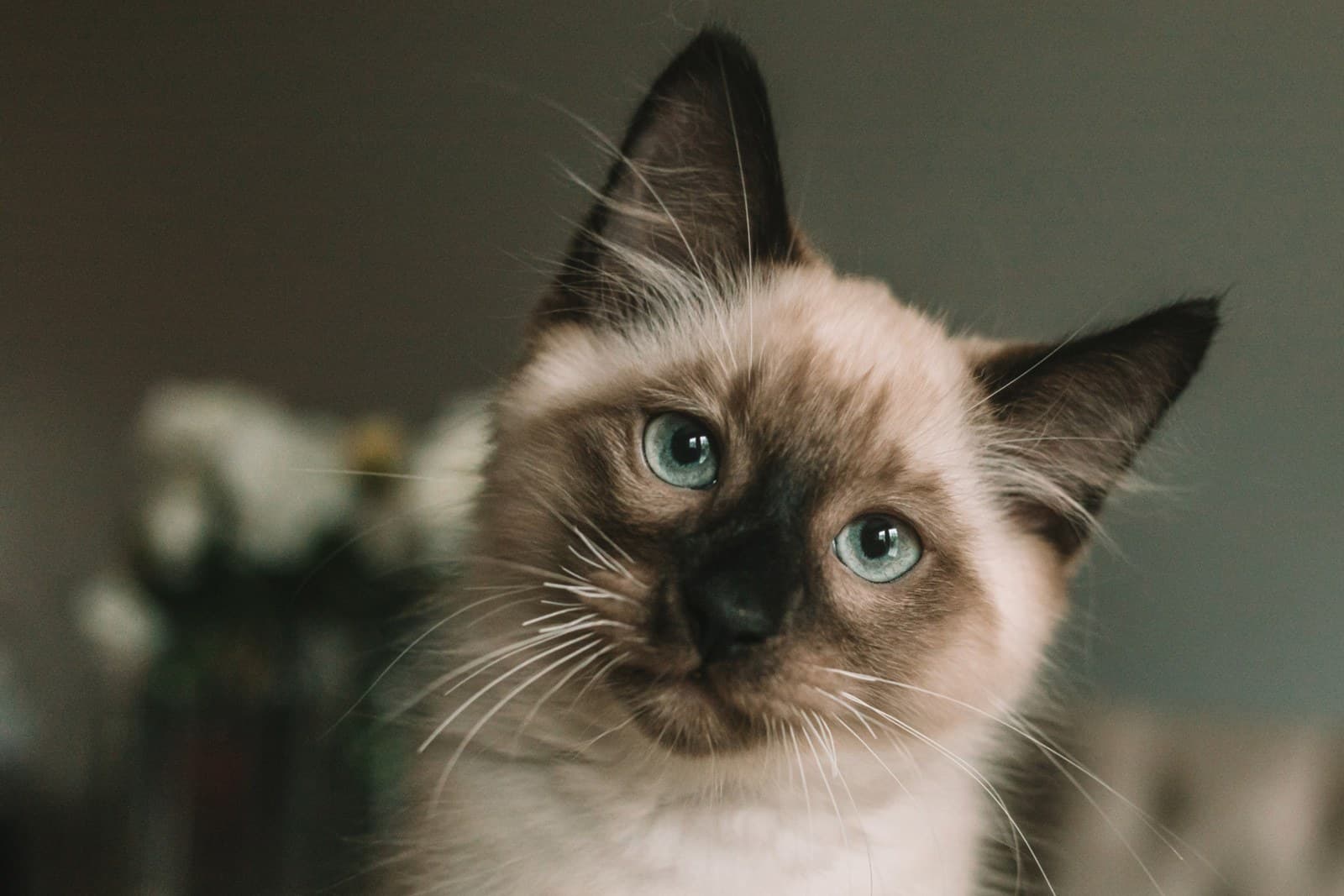
Cat Allergies and the Fel d 1 Reality
Cat allergies affect approximately 10-30% of U.S. adults, making them one of the most common pet allergies. The primary trigger is a protein called Fel d 1, produced mainly in cat sebaceous (skin) and salivary glands and deposited on fur during grooming. Fel d 1 is so widespread that it shows up in homes without cats — carried in on clothing, in HVAC systems, and through indoor air.
Hypoallergenic cat breeds are cats that produce less Fel d 1 or shed less of it into the environment. No cat is truly hypoallergenic — but some breeds are dramatically better tolerated by allergy sufferers than others.
The Science: Why Some Breeds Are Different
Fel d 1 production varies enormously between individual cats — by up to 80x even within the same breed. A few breeds have genetic mutations that reduce Fel d 1 production at the source, while others produce normal amounts but shed less, dispersing fewer allergens into the home.
Important: hairless does not mean hypoallergenic. Sphynx cats produce normal amounts of Fel d 1; the protein is in skin oils and saliva, not in hair itself. The hairless coat does mean fewer airborne particles, but the allergens are still on the cat's skin and shed onto everything they touch.
Breeds With Lower Allergen Profiles
Siberian
One of two breeds with documented genetic mutations producing less Fel d 1. A study of 300 Siberians found more than half had significantly lower allergen counts than typical cats. Siberians are large, gentle, dog-like in personality, and tolerant of children. Triple coat requires regular grooming. Considered the strongest hypoallergenic candidate by many allergy sufferers.
Balinese
Often called the long-haired Siamese. Naturally produces less Fel d 1 than most breeds. Elegant, vocal, social. Forms deep bonds with their humans. Single-layer silky coat is relatively low-maintenance. Lifespan 12-20 years.
Russian Blue
Less Fel d 1 production according to some breed sources, though the scientific evidence is weaker than for Siberians. Quiet, reserved, gentle. Plush silver-blue double coat with minimal shedding. Lifespan 15-20 years. Often well-tolerated by mild allergy sufferers.
Sphynx
Hairless cats with warm, suede-like skin. Despite popular belief, Sphynx cats produce normal amounts of Fel d 1 — but the lack of fur reduces airborne allergen dispersal. Affectionate, attention-seeking, excellent with families. Need regular bathing because they have no fur to absorb skin oils. Cold-sensitive.
Devon Rex
Distinctive curly short coat. Lower shedding than typical cats, though Fel d 1 production is normal. Active, mischievous, often called monkey in a cat suit for personality. Lifespan 9-15 years.
Cornish Rex
Very short, wavy coat with minimal shedding. Fel d 1 production normal but reduced shedding helps. Active, playful, dog-like in some behaviors.
Oriental Shorthair
Single coat, moderate shedding. Vocal, social, attached to humans. Anecdotal reports of better tolerance among allergy sufferers; scientific evidence is limited.
Bengal
Wild-looking spotted cats with shorter, denser pelts. Less prone to dispersing allergens. High energy and intelligent — closer to a small wild cat in behavior than typical domestic cats. Need significant enrichment.
How to Test Allergy Compatibility
The single most important step: spend extended time with the specific cat before committing. Several hours, not minutes. Allergic reactions often build over hours of exposure.
- Visit the breeder or rescue and spend 2-3 hours with the cat.
- Pet, hold, and let the cat near your face. Note any reactions over the following 24 hours.
- Consider a fostering or trial period if available.
- Get allergy testing through your physician to know exactly what triggers you.
Some allergy sufferers tolerate one specific Siberian and react to another. Individual variation in Fel d 1 production matters more than breed alone.
Living with a Cat When You Have Allergies
Even with a low-allergen breed, environmental management substantially helps:
- HEPA air purifiers in bedrooms and main living areas.
- Bathing the cat weekly or biweekly with cat-appropriate shampoo to reduce surface allergens. Some cats tolerate this better than others.
- Bedroom is cat-free. The single highest-impact rule for many allergy sufferers.
- Vacuum with a HEPA filter 2-3 times weekly.
- Wash bedding and soft surfaces in hot water weekly.
- Saliva-neutralizing wipes (Allerpet, Petal Cleanse) reduce dander on cat fur. Modest effect.
- Allergy medication (antihistamines, nasal sprays) as needed.
The Newer Science: Pro Plan LiveClear
In 2020, Purina launched Pro Plan LiveClear, a cat food formulated with an ingredient (an egg product containing antibodies to Fel d 1) that neutralizes Fel d 1 in cat saliva. Multiple peer-reviewed studies found 47% reduction in active Fel d 1 on cat hair after 3 weeks of feeding. Not a complete solution, but a meaningful supplemental approach for some allergy sufferers. Available through veterinarians and pet retailers.
What Does Not Help
- Buying without testing first. Individual variation makes breed-only decisions risky.
- Hairless cats expecting no allergens. Sphynx allergens come from skin, not hair.
- Hoping the allergy will go away. Allergies tend to stay or worsen over time.
- Outdoor cats reduce indoor allergens. Indoor-outdoor cats actually disperse allergens further and bring outdoor allergens in.
If Allergies Are Severe
For severe cat allergies, even Siberians may not be tolerable. Options:
- Allergy immunotherapy (allergy shots). Long-term treatment over 3-5 years that can build tolerance.
- Frequent visits to friends' cats instead of ownership.
- Different pets entirely. Dogs, rabbits, fish, or reptiles.
Cleaning Routines That Actually Help
If you are committed to living with a cat despite mild allergies, environmental hygiene makes a measurable difference:
- Daily vacuuming with a HEPA filter in main living areas.
- Twice-weekly hot-water laundry for cat bedding and any soft surfaces the cat uses.
- HEPA air purifiers running 24/7 in the bedroom and main living area. These have the strongest evidence for reducing airborne allergen load.
- Wipe cat with a damp cloth daily to remove some surface allergens. Less stressful for the cat than full bathing.
- Hard flooring beats carpet. Carpet retains allergens for months.
- Wash hands after handling the cat and before touching your face.
- Replace HVAC filters monthly with high-MERV filters during peak symptom seasons.
Decision Framework for Allergy Sufferers
If you have cat allergies and want to bring a cat home, work through this framework:
- Confirm what you are allergic to. Get tested by an allergist. Some people thought to be allergic to cats are actually allergic to mold or dust spread by cats.
- Test your reactivity to specific cats. Spend 2-3 hours with a candidate cat or kitten before committing.
- Choose a known-low-allergen breed when possible (Siberian, Balinese first; Russian Blue, Sphynx, Bengal as second-tier options).
- Set up environmental management before the cat arrives.
- Consider Pro Plan LiveClear food as a supplemental measure.
- Keep allergy medication on hand for breakthrough symptoms.
- Have an exit plan. If the match does not work for your health, the responsible move is rehoming through the breeder or rescue. Better than living with chronic asthma symptoms for a decade.
The Bottom Line
Hypoallergenic cat breeds are real in the sense that some breeds produce less Fel d 1 or shed less of it; they are mythical in the sense that no cat is allergen-free. For mild to moderate allergy sufferers, breeds like Siberians and Balinese — combined with environmental management and possibly Pro Plan LiveClear — can make cat ownership possible. For severe allergy sufferers, the math may not work even with these breeds. The honest path is testing extensively before committing to 12-20 years of cat companionship.
RELATED READING
More from Pet Breed
Pet Behavior
Cat Body Language: A Complete Tail, Ear, and Eye Guide
Cats communicate as much as dogs do, but their signals are subtler and easier to miss. Here is the complete guide to reading your cat's tail, ears, eyes, whiskers, and posture — and what each combination tells you about how they actually feel.
2026-05-05
Pet Behavior
Multi-Cat Households: Reducing Tension and Conflict
Cats are not naturally pack animals — but with the right setup, multiple cats can coexist peacefully. Here is the resource math, the pheromone tools, and the introduction protocol that turns most multi-cat tension around.
2026-04-29
Pet Behavior
How to Introduce a New Pet to Your Existing Pet
A rushed introduction is the #1 cause of long-term household tension between pets. The slow, structured protocol below — different for dogs, cats, and mixed-species households — turns most introductions into peaceful coexistence within weeks.
2026-04-27