PET BREED · 5 MIN READ
Best Dogs for Seniors: How to Choose the Right Companion
The best dog for a senior isn't the cutest one — it's the one whose energy, size, and care needs fit the owner's daily life for the next decade. Here are the breeds veterinarians and shelter coordinators recommend most for older adopters, why an adult or senior dog often beats a puppy, and the honest questions to answer before you bring one home.
Advertisement

What Actually Makes a Dog a Good Match for a Senior
The best dog for a senior is rarely the cutest one in the litter — it is the one whose energy, size, and care needs line up with the owner's daily life for the next decade. Veterinarians and shelter placement coordinators weigh the same handful of factors every time they help an older adopter, and getting them right is the difference between an easy companionship and an exhausting mismatch.
Six traits matter most:
- Energy level. A dog that needs two hours of hard exercise a day is a poor fit for someone who prefers gentle strolls. Low-to-moderate energy is the single most important trait.
- Size and strength. A dog that lunges should not be able to pull its owner off balance. Manageable strength matters more than the number on the scale.
- Grooming demands. Heavy-coated breeds need frequent brushing and professional grooming — a recurring cost and a physical task.
- Trainability and temperament. Calm, people-oriented dogs that already know basic manners reduce daily friction.
- Health and lifespan. Some breeds carry predictable, expensive health problems; others are robust and long-lived.
- Adaptability. A dog that settles easily in apartments and tolerates handling and vet visits suits a calmer household.
Energy Level Matters More Than Size
The most common mistake is choosing by size alone. A small, high-strung terrier can be far more demanding than a large, placid Greyhound. Match the dog's energy to your real daily routine, not the routine you wish you had. That said, size still matters for one practical reason: control. If a startled dog bolts after a squirrel, the owner has to be able to hold the leash. A 70-pound dog that pulls is a genuine fall risk; a 15-pound dog that pulls is an annoyance.
The sweet spot for most seniors is a calm dog in the small-to-medium range — light enough to lift into a car or onto a vet table, sturdy enough to enjoy a daily walk, and mellow enough to spend long stretches resting at home.
The Best Dog Breeds for Seniors
No single list fits everyone, but these breeds consistently earn recommendations from veterinarians and rescue groups for older owners. Temperament still varies from dog to dog, so always meet the specific animal before deciding.
Small Companion Breeds
- Cavalier King Charles Spaniel. Gentle, affectionate, and content to be a lap dog, happy with short walks. Watch for breed-related heart conditions and budget for cardiac checkups.
- Bichon Frise. Cheerful, low-shedding, and people-focused. Needs regular grooming but rarely bothers allergy sufferers.
- Shih Tzu. Bred for centuries purely as a companion; calm indoors and undemanding on exercise. The long coat can be clipped short to cut grooming work.
- Havanese. Small, sturdy, and trainable, with a sociable streak that suits owners who want an engaged but not hyperactive companion.
- Maltese. Tiny, devoted, and easy to carry — a good match for apartment living and limited mobility.
Steady Medium Breeds
- Cocker Spaniel. Affectionate and moderately active; enjoys walks without demanding marathons. Keep up with ear care and coat grooming.
- Miniature Poodle. Highly trainable, low-shedding, and adaptable to both quiet and active homes — one of the most senior-friendly breeds overall.
- Pug. Famously easygoing and food-motivated, which makes training simple. Because pugs are brachycephalic (flat-faced), they overheat easily and can have breathing problems — a real consideration in hot climates.
Calm Larger Breeds for Active Seniors
- Greyhound. The surprise of the list. Despite the racing reputation, retired Greyhounds are famous couch potatoes — quiet, gentle, and content with a couple of short walks a day. Many are available through breed-specific rescues.
- Standard Poodle. Smart, dignified, and low-shedding, well suited to a senior who wants a substantial dog and can comfortably manage a larger frame.
Why an Adult or Senior Dog Often Beats a Puppy
Puppies are a great deal of work: house-training, chewing, nipping, broken sleep, and months of uncertainty about how big and how energetic the dog will become. For many older adopters, an adult or senior dog is the smarter choice. What you see is what you get — the dog's size, coat, energy, and temperament are already settled, and shelter staff can tell you how it behaves with people, other pets, and handling.
Senior dogs in particular are often overlooked in shelters yet make wonderful companions: they are usually house-trained, past the destructive phase, and content to match a quieter pace of life. Adopting one also frees a kennel for another dog in need. You can browse adoptable dogs near you and look for an adult or senior, or find a shelter near you and ask staff for a settled older dog that matches your routine.
Questions to Answer Before You Adopt
Before committing, work through these honestly:
- Exercise: How far can you comfortably walk, every day, in all weather?
- Strength: Could you hold this dog on a leash if it suddenly pulled?
- Grooming: Can you brush and bathe the dog yourself, or budget for a groomer every few weeks?
- Cost: Can you cover routine vet care, vaccinations, food, and the occasional emergency? It is worth pricing out pet insurance.
- Mobility: Can you bend to fill bowls, lift the dog if needed, and manage stairs together?
- Backup plan: Who would care for the dog if you were hospitalized or could no longer manage? A clear answer protects both of you.
How to Make the Final Match
Work through the traits in order — energy first, then size, then grooming — and let the breed list narrow from there. But treat breed as a starting point, not a guarantee. The calmest Cavalier and the most excitable one came from the same gene pool; temperament within a breed varies widely. The most reliable way to choose well is to meet the individual dog, spend real time with it, and lean on the shelter or rescue staff who know its personality. If shedding or allergies are a concern, our guide to hypoallergenic dog breeds goes deeper, and anyone new to dogs may find our best breeds for first-time owners guide a useful companion read.
Choose for the life you actually live, adopt the dog whose temperament fits, and you will have found not just a good dog for a senior — but the right dog for you.
RELATED READING
More from Pet Breed
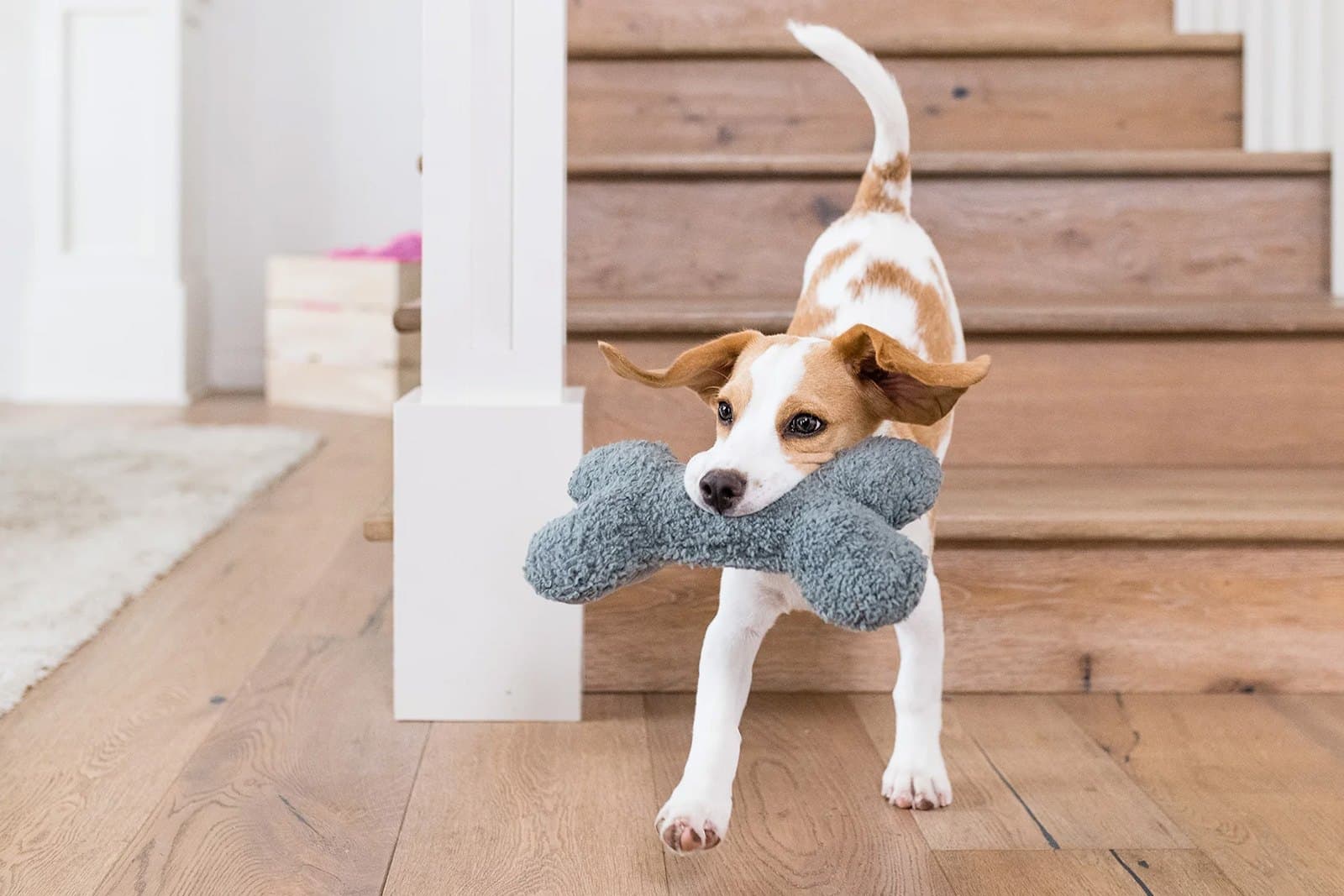
Pet Adoption
How to Prepare Your Home for a New Pet
A room-by-room safety checklist, the supplies you actually need, and how to set up a decompression space — everything to do before your adopted dog or cat walks through the door.
2026-05-06
Pet Adoption
The Complete Pet Adoption Process Guide
Walk through every step of the U.S. pet adoption process — from honest readiness questions to your first vet visit — with realistic timelines and the most common pitfalls to avoid.
2026-05-05

Pet Adoption
Surviving the First 30 Days with Your New Pet
From the moment you walk through the door together to the day they finally feel at home — a realistic, week-by-week guide to the first month, including the famous 3-3-3 rule and what to do when things feel harder than expected.
2026-05-04