PET HEALTH · 6 MIN READ
Pet Obesity: How to Recognize and Reverse America's Biggest Pet Health Threat
59% of U.S. dogs and 61% of U.S. cats are overweight or obese. Here is why pet obesity has become the leading preventable health condition — and the realistic, vet-approved plan to reverse it.
Advertisement
The State of Pet Weight in America
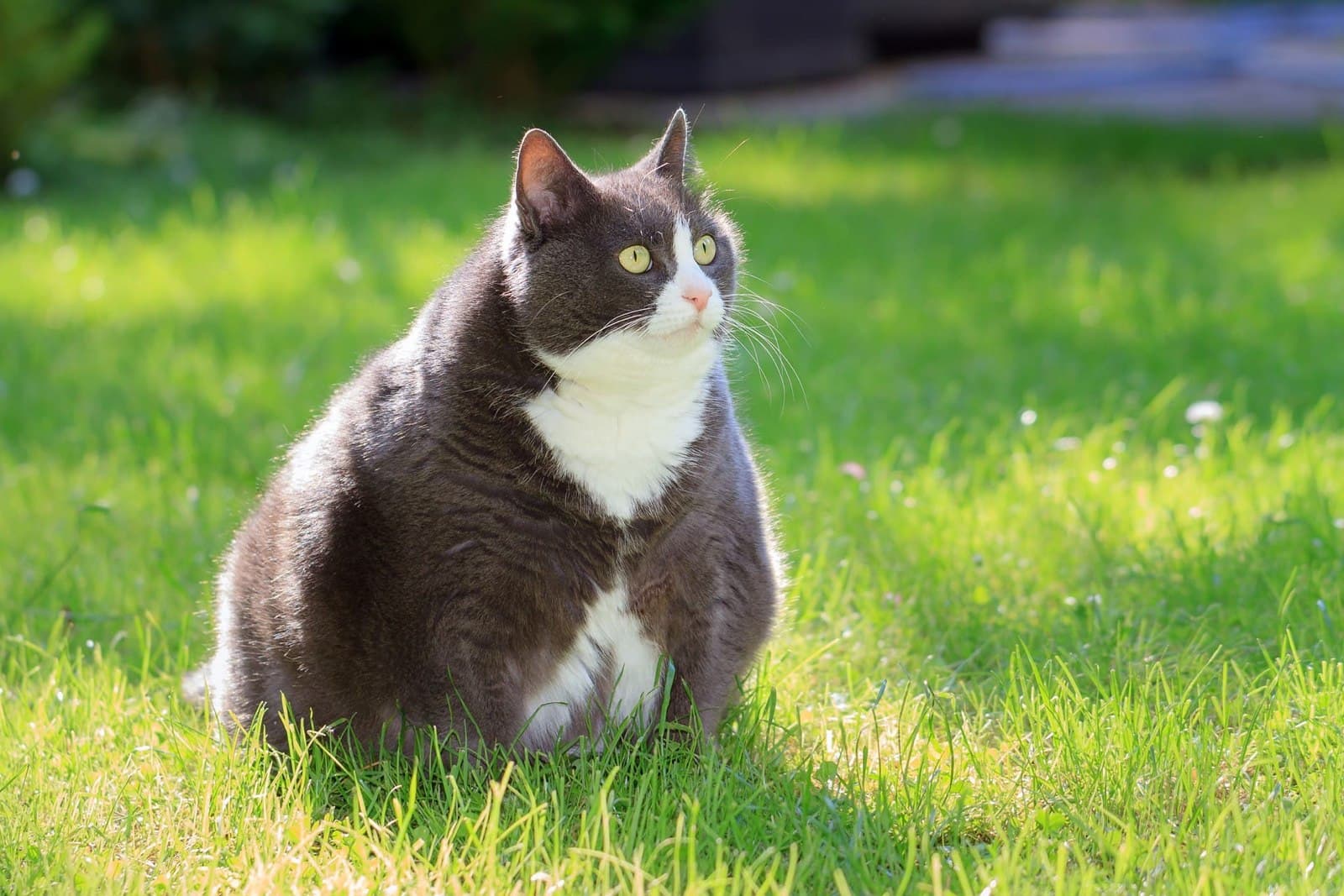
The Association for Pet Obesity Prevention's 2024 Pet Obesity & Nutrition Opinion Survey reported that approximately 59% of U.S. dogs and 61% of cats now fall into a body condition score of 6-9 — the overweight-to-obese range. About 22% of dogs and 33% of cats meet the clinical threshold for obesity. Yet 51% of dog owners and 55% of cat owners still describe their pet's body condition as ideal.
This perception gap is the heart of the problem. Veterinarians see patients every day whose owners genuinely believe the pet looks normal — because what looks normal in the United States in 2026 is, statistically, overweight.
Why Pet Obesity Matters
Excess weight is not a cosmetic issue. The American Veterinary Medical Association and AAHA both classify obesity as the most common preventable disease in U.S. pets. The downstream consequences are well documented:
- Osteoarthritis. Obesity is the single largest predictor of arthritis severity in dogs and a major contributor in cats. Weight loss alone reduces arthritis pain measurably without medication.
- Diabetes. Obese cats are 2-4 times more likely to develop diabetes mellitus.
- Heart and respiratory disease. Excess weight strains both organ systems and reduces exercise tolerance.
- Liver disease. Especially in cats, where rapid weight loss can also trigger hepatic lipidosis (fatty liver disease).
- Kidney disease and high blood pressure.
- Reduced lifespan. Multiple lifetime studies have shown that ideal-weight dogs live an average of 1.5-2.5 years longer than overweight littermates.
- Surgical risk. Anesthesia and recovery are both more dangerous in overweight pets.
How to Tell If Your Pet Is Overweight
The most reliable home assessment is the body condition score (BCS), a 1-9 scale used in veterinary practice. The AAHA publishes free visual guides. The basics:
For dogs
- Ribs. You should easily feel the ribs through a thin fat layer without pressing hard. If you have to push to find them, your dog is overweight.
- Waist (top view). Looking down at your dog from above, you should see a clear hourglass shape — wider at the chest, narrower behind the ribs.
- Tuck (side view). The belly should slope upward from the chest to the hindquarters. A flat or sagging belly indicates excess weight.
For cats
- Ribs. Same test — easily felt with light pressure.
- Belly fat pad. Some primordial belly pouch is normal, but a swinging apron of fat is excess weight.
- Waist (top view). Visible inward curve behind the ribs.
If your pet does not pass these checks, the next step is a vet visit for a formal weight discussion. Most clinics offer free weight checks at the front desk, no appointment needed.
Why Pets Get Overweight
1. Calorie miscalculation
Pet food bag recommendations are usually for active intact adult animals. Spayed and neutered pets need 20-30% fewer calories. The bag tells you to feed 1 cup; your spayed indoor cat needs about 3/4 of that.
2. Treats add up faster than you think
A 10-pound cat needs about 200-250 calories a day. A single 30-calorie treat is the equivalent of a human eating most of a meal. The 10% rule from veterinary nutritionists: treats should never exceed 10% of daily calories.
3. Free-feeding
Leaving food available all day is the single most reliable path to obesity, especially in cats. Most cats will overeat if food is constantly available.
4. Underestimating portion size
Owners who use measuring cups average 25% more food than they intend. Use a kitchen scale or a measuring cup zeroed at the start.
5. Insufficient exercise
Most dogs need 30-60 minutes of activity per day; sporting and working breeds need much more. Most indoor cats need 10-15 minutes of structured play twice daily — far more than they typically get.
The Realistic Weight-Loss Plan
Pet weight loss done right is slow, steady, and tied to a specific calorie target — not vague advice to feed less.
Step 1: Set a target weight
Your vet will assess body condition and set a realistic target. Most pets need to lose 10-25% of their starting weight. Crash diets are dangerous in pets, especially cats, where rapid weight loss can trigger fatal liver disease.
Step 2: Calculate calorie needs
The standard veterinary formula for weight loss is roughly 70-80% of the resting energy requirement of the pet's target weight. Your vet calculates the actual number; expect a 10-30% reduction from current intake.
Step 3: Switch to a weight-loss diet (often)
Veterinary therapeutic weight-loss diets (Hill's Metabolic, Royal Canin Satiety, Purina OM) are formulated to provide full nutrition at lower calorie density, so the pet feels full while losing weight. Off-the-shelf light foods are less effective for clinical obesity.
Step 4: Measure every meal
Weight on a kitchen scale is most accurate. If you use a measuring cup, level it.
Step 5: Switch to low-calorie treats
Plain green beans, baby carrots, ice cubes, and small pieces of plain chicken or fish are low-calorie alternatives. Many commercial treats are 10-30 calories per piece — keep a daily count.
Step 6: Add exercise gradually
For dogs, start with one 15-minute walk and add 5 minutes per week. Swimming and underwater treadmill therapy are excellent for arthritic or overweight dogs because they reduce joint loading.
For cats, twice-daily 10-minute interactive play sessions with a wand toy or laser pointer (always followed by a tangible catch to satisfy hunting drive) can transform a sedentary cat in a few weeks.
Step 7: Weigh monthly
Aim for 1-2% body weight loss per week. Most pets reach target weight in 6-12 months. Plateaus are normal — your vet may adjust the calorie target every few months.
Common Mistakes
- Reducing food but keeping treats. Treats often account for the calories that drove the weight gain in the first place.
- Stopping too early. Many owners stop the diet once the pet looks better without confirming weight on a scale. Body condition score, not appearance, is the goal.
- Not coordinating with family members. If anyone in the household is sneaking food, the diet fails.
- Comparing to internet pet photos. Most dogs and cats on social media are overweight. Your healthy-weight pet will look thinner than the average pet you see online.
How to Track Progress
The most successful weight-loss plans involve simple, consistent measurement. A few habits that work:
- Weigh once a week, same day, same scale. A bathroom scale (weigh yourself, then yourself plus the pet, subtract) works fine for pets too small for a vet scale at home.
- Photograph from above and from the side every two weeks. Body composition changes show up in photos before they show up on the scale.
- Keep a meal log for the first month. Most owners discover that what they thought they were feeding and what they actually fed are different numbers.
- Schedule a weigh-in at your vet every 6-8 weeks. Most clinics do free weight checks; this also keeps your vet engaged in the plan.
If you have not lost weight after a month of disciplined feeding and exercise, ask your vet to rule out medical causes (hypothyroidism in dogs, Cushing's disease, certain medications) before increasing restrictions.
The Bottom Line
Pet obesity is the most common, most treatable, and most under-addressed health condition in U.S. pets. The good news: weight loss does not require expensive interventions. It requires a calorie target, a kitchen scale, and a few months of consistency. Pets at ideal weight live longer, hurt less, and stay active later in life — and the work to get them there starts with a single visit to discuss the body condition score with your vet.
This article is for informational purposes and is not veterinary advice. Always consult a licensed veterinarian about your pet's specific health concerns. In an emergency, call your vet or the ASPCA Animal Poison Control Center at (888) 426-4435.
RELATED READING
More from Pet Health

Pet Breed
Brachycephalic Breeds: Why Flat-Faced Pets Need Special Care
The most popular dog breed in America has a name for its airway condition: BOAS. Here is what brachycephalic means, the predictable health concerns, the financial reality of owning these breeds, and what responsible care looks like.
2026-05-08

Pet Breed
Pure Breed vs Mixed Breed: Health, Temperament, and the Real Differences
The pure breed vs mixed breed debate has been going on for decades. Each side overstates its case. Here is what the evidence actually shows on health, temperament, predictability, and cost — and when each choice makes sense.
2026-04-26
Pet Feeding
How to Read a Pet Food Label
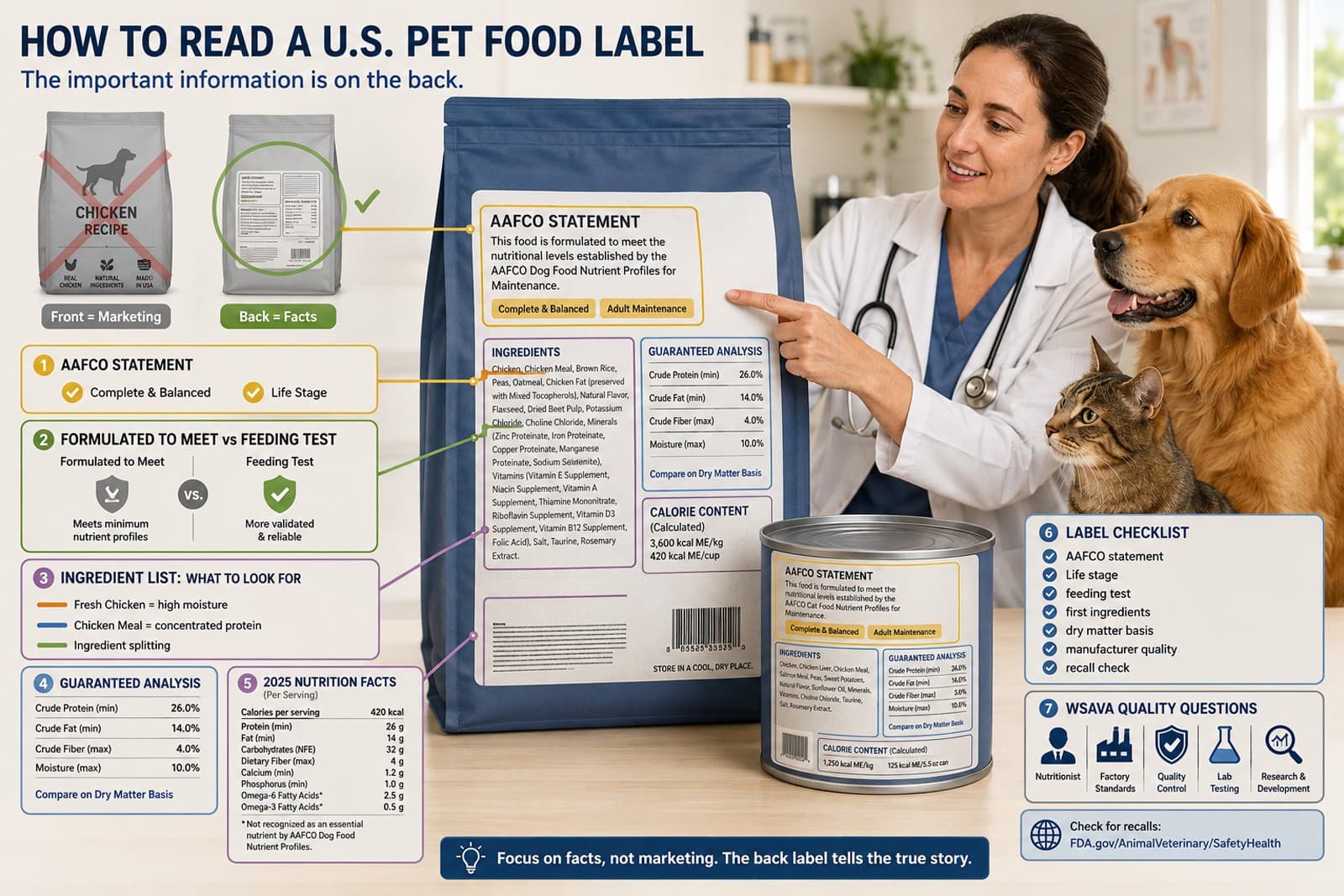
Pet food labels are dense, regulated documents that contain almost everything you need to know about a product — if you understand the code. Here is how to decode the AAFCO statement, ingredient list, guaranteed analysis, and the new 2025 Nutrition Facts panel.
2026-05-08