PET ADOPTION · 6 MIN READ
Apartment-Friendly Pet Adoption: A Renter's Guide
Adopting in a U.S. apartment is harder than it looks — between landlord rules, breed restrictions, and HOAs — but tens of millions of renters do it well. Here's how to choose the right pet, navigate the policies, and avoid the most common renter mistakes.
Advertisement
The Renter's Reality
Roughly one-third of U.S. households rent, and nearly all of them face some version of the same questions: Will the landlord say yes? Which breeds are off-limits? How much will it actually cost? The good news is that the rules favor renters more than most people realize, and the right pet for an apartment is often the one already waiting at your local shelter.
Step 1: Read Your Lease Like a Lawyer
Before you fall in love with a specific pet, find your lease. Look for clauses on:
- Pet permission. Some leases prohibit pets outright. Bringing one in anyway is a fast path to eviction.
- Species and number limits. Common formats: up to 2 pets total, cats only, or no aquariums over 20 gallons.
- Weight limits. Many large complexes cap dogs at 25, 35, or 50 pounds.
- Breed restrictions. Often listed by name (pit bull, rottweiler, doberman, cane corso, akita, mastiff, husky, German shepherd, chow chow).
- Pet deposits, pet fees, and monthly pet rent. See the next section.
If the lease is silent on pets, get permission in writing before adopting. Verbal permission is legally weak and changes when management changes.
Step 2: Understand Pet Deposits and Pet Rent
U.S. landlords typically charge some combination of:
- Refundable pet deposit: $200-$500, returned at move-out if there is no damage.
- Non-refundable pet fee: $200-$600, kept regardless.
- Monthly pet rent: $25-$75 per pet per month — the line item that surprises most renters. Over a 12-month lease, that is $300-$900 a year on top of normal rent.
State law varies. Some states cap pet deposits or require them to be refundable. Check your state's tenant rights resources before signing.
Step 3: Breed Restrictions and BSL Trends
Breed-specific legislation (BSL) — laws that restrict or ban specific breeds — has been steadily rolling back across the United States. As of late 2025, no U.S. state has a statewide BSL ban, and 21 states now have anti-BSL preemption laws preventing cities from passing such ordinances. The ASPCA and AVMA both oppose BSL on the grounds that breed is a poor predictor of bite risk.
More than 300 city or county BSL ordinances were repealed between 2012 and 2024, including a high-profile November 2024 vote in Aurora, Colorado that ended a long-standing pit bull ban. Even where state law allows, individual landlords and insurance providers may impose breed restrictions independently — which is the rule, not the exception, in most large U.S. apartment buildings.
If your dream breed is on a restricted list, your options are: find pet-friendly buildings without breed restrictions (they exist; ask before signing), document your dog's individual training and behavior with a Canine Good Citizen certificate, or choose a different breed.
ESAs and Service Dogs Under the Fair Housing Act
Two types of assistance animals receive special protections under federal law:
- Service dogs are individually trained to do work for a person with a disability. Protected under the ADA and the Fair Housing Act.
- Emotional support animals (ESAs) provide therapeutic emotional support. Protected under the Fair Housing Act for housing, but not under the ADA for public access.
HUD's Fair Housing Act guidance sets clear rules:
- Assistance animals are not pets. Landlords cannot charge pet deposits or pet rent for them.
- Breed and weight restrictions do not apply to documented assistance animals.
- Landlords may ask two questions: does the person have a disability, and does the person have a disability-related need for the animal?
- Documentation must come from a healthcare professional with personal knowledge of the individual. HUD has explicitly stated that online certificates and registrations sold without a real provider relationship are not sufficient.
- Landlords may not require disclosure of diagnosis or medical records.
If you need an ESA for a legitimate disability, get the documentation from your existing healthcare provider. Pay-to-play online ESA letter mills are increasingly being rejected by landlords with HUD guidance to back them up.
Choosing the Right Apartment-Friendly Dog
The American Kennel Club's apartment-friendly list emphasizes calm temperament, manageable size, and lower bark frequency. Top picks:
- Cavalier King Charles Spaniel. Small, gentle, content with moderate exercise.
- Bichon Frisé. Hypoallergenic-leaning coat, moderate energy.
- Boston Terrier. Medium energy, friendly, generally quiet.
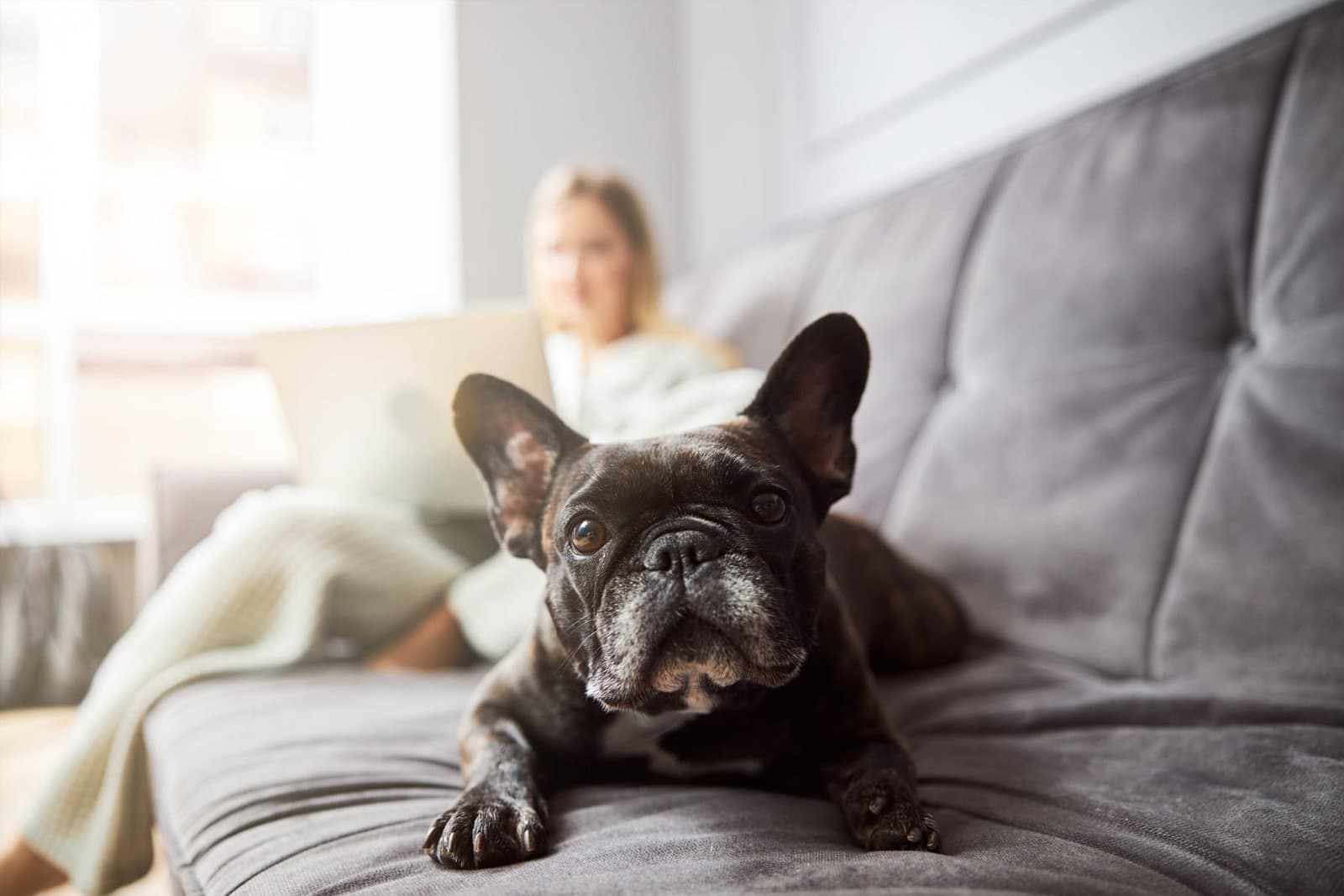
- French Bulldog. Low-energy, rarely barks, well-suited to small spaces. Heat-sensitive — not for hot un-air-conditioned apartments.
- Shih Tzu. 9-16 pounds, only needs 20-30 minutes of walking, sociable.
- Basenji. Famously almost barkless, though they vocalize with yodel-like sounds. Higher energy than they appear.
- Greyhound. Surprising apartment dog — low daily energy needs (often called 40-mph couch potatoes), quiet, calm, common in retired-racer adoption programs.
Mixed-breed shelter dogs of similar size and temperament are equally good options — a calm, 25-pound adult mix from a foster home is often the easiest apartment dog you will ever own.
Choosing the Right Apartment Cat
Cats are inherently apartment-friendly, but a few personality fits matter more than others. Look for:
- Adult cats over 2 years — energy is more predictable.
- Foster-rated as good with strangers if you have visitors.
- Confident temperament if your apartment is loud (city traffic, shared walls, kids in adjacent units).
Skip extremely high-energy young cats if your apartment is small. They escalate quickly without enough vertical space and play.
Setting Up a Small Space
- Use vertical space. Cat shelves, perches, and a tall scratching tree multiply the usable space without expanding the floor plan.
- Window perches are critical enrichment for cats and small dogs in apartments.
- Designate a quiet corner as the pet's safe zone. A crate for dogs, a bed-and-litter-box room for cats.
- Air filtration: a HEPA air purifier in shared spaces reduces dander and odor and helps with neighbor relations.
- Floor protection: washable rugs over hardwood for traction and damage control.
Exercise Plans That Work in Small Spaces
- Two structured walks per day for most apartment dogs — 20-45 minutes each.
- Sniff walks over distance walks. Dogs who get to sniff at their own pace come home tired and content.
- Mental enrichment: puzzle feeders, snuffle mats, and scent games. 15 minutes of mental work tires a dog like an hour of walking.
- Doggy daycare 1-2 days a week if your work schedule is long. Average U.S. cost: $25-$50 per day.
- Scheduled play sessions for cats — twice-daily, 10-15 minutes with a wand toy. This is the single biggest predictor of a happy apartment cat.
Noise Strategy for Shared Walls
Barking and scratching are the top reasons apartment renters lose pet privileges or get neighbor complaints. Your strategy should include:
- Choose a low-bark breed if you live in close quarters.
- Address barking root causes (boredom, lack of exercise, separation distress) — not by suppression.
- Crate train so the pet has a calm default location.
- White noise machines mask hallway and stair sounds that trigger reactive barking.
- For separation anxiety, work with a positive-reinforcement trainer or board-certified veterinary behaviorist before symptoms compound.
Tips for Getting Approved by a Picky Landlord
- Build a pet resume. Photo, age, weight, breed, vaccination records, references from previous landlords or neighbors, and any training certificates.
- Offer to pay extra rent or a higher deposit if your lease has room to negotiate.
- Provide your renter's insurance certificate showing pet liability coverage.
- Meet the landlord with the pet if possible — a calm, well-behaved dog often outperforms any document.
- Get every concession in writing. A verbal okay vanishes when the building changes ownership.
The Bottom Line
Apartment living is no obstacle to adopting a great pet — millions of U.S. renters do it well. The trick is doing the paperwork before the heart-work: read the lease, confirm any breed and weight rules, build the pet rent into your real budget, and choose a temperament that matches small-space life. Then pick the dog or cat who fits the slot you have created.
RELATED READING
More from Pet Adoption

Pet Adoption
How to Prepare Your Home for a New Pet
A room-by-room safety checklist, the supplies you actually need, and how to set up a decompression space — everything to do before your adopted dog or cat walks through the door.
2026-05-06

Pet Adoption
The Complete Pet Adoption Process Guide
Walk through every step of the U.S. pet adoption process — from honest readiness questions to your first vet visit — with realistic timelines and the most common pitfalls to avoid.
2026-05-05

Pet Adoption
Surviving the First 30 Days with Your New Pet
From the moment you walk through the door together to the day they finally feel at home — a realistic, week-by-week guide to the first month, including the famous 3-3-3 rule and what to do when things feel harder than expected.
2026-05-04