PET ADOPTION · 6 MIN READ
Adopting a Pet With Kids: A Family Decision Guide
Choosing the right pet when you have children is about more than picking a friendly breed — it's about safety, age-appropriate responsibilities, and matching the dog or cat to your family's actual rhythm.
Advertisement
The Real Numbers on Pets and Kids
The case for raising kids with pets is strong: research from organizations including the American Academy of Pediatrics and the CDC has linked pet ownership in childhood to better immune function, more physical activity, and improved emotional regulation. But the case has limits, and they are most visible when families adopt the wrong pet for their stage of life.
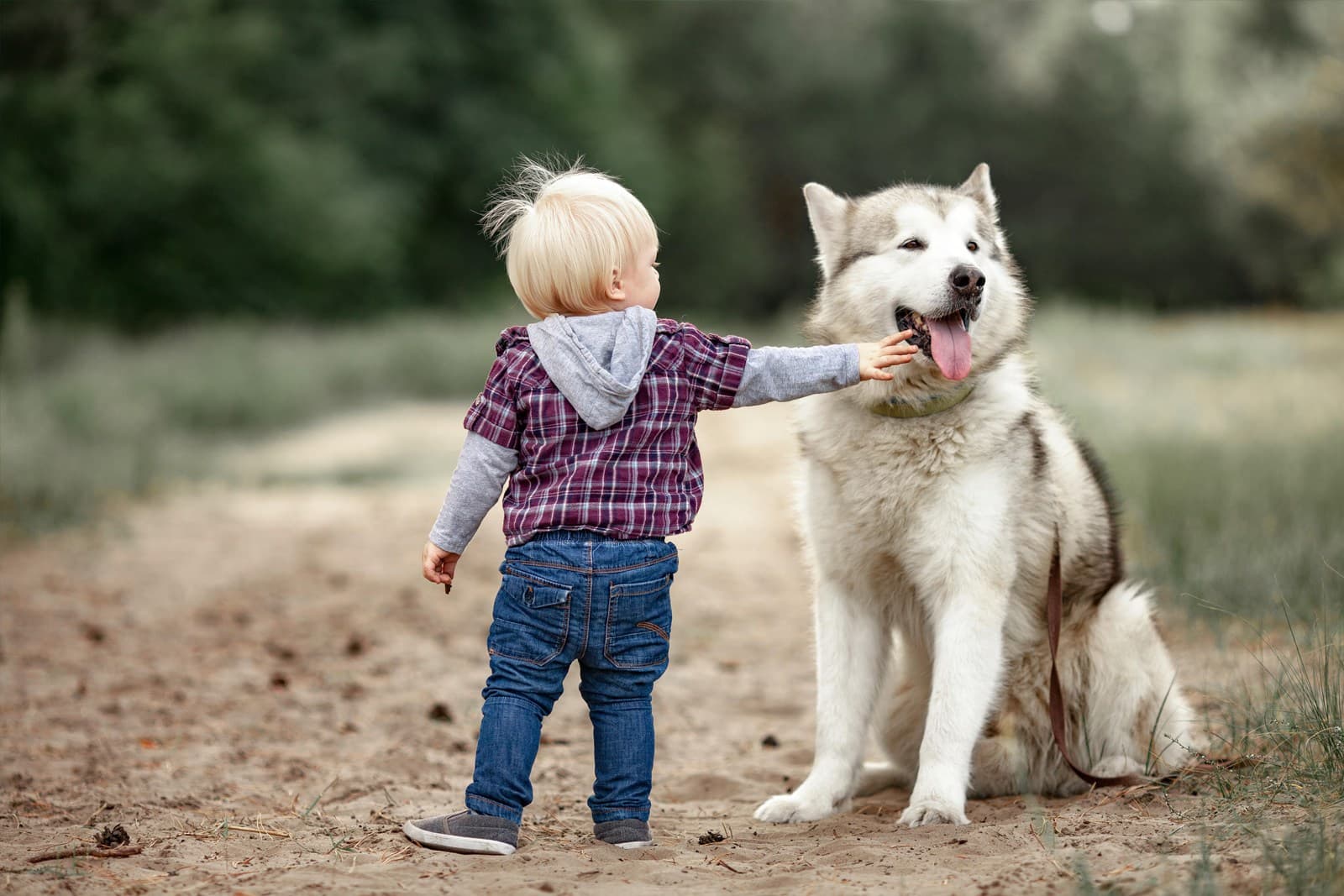
Each year in the United States, roughly 4.5 million people are bitten by dogs. CDC data show 395,036 dog-bite-related ER visits in 2022 — the highest annual total ever recorded. Dogs bite roughly 1,082 times per day badly enough to need ER care. Kids account for about 51 percent of bite victims, and children under six are at the highest risk of severe injuries to the head, face, and neck.
The point is not to scare you out of getting a pet. It is that the choice of pet — and the rules around how kids and pets interact — meaningfully change those numbers in your home.
Match the Pet to Your Youngest Child
The most common matching mistake is choosing a pet for the children's stated wishes (puppy! kitten!) rather than for the youngest child's developmental stage. A toddler and a young puppy are both easily overwhelmed and easily startled — putting them in the same household amplifies both.
A few rules of thumb:
- Children under 3: consider waiting, or adopt a calm adult pet — ideally a fully house-trained adult dog or a friendly adult cat. Skip puppies and kittens.
- Children 3-6: calm adult dogs in the medium-large range, or kid-tolerant adult cats. Most behaviorists discourage small breed puppies in this window — they are easily injured by clumsy hands and may bite defensively.
- Children 7-12: the widest window. Most ages and sizes work, including puppies if the parent is the primary caregiver.
- Teens: can take real ownership of a pet but the adoption decision should still rest with the parent who pays for vet care.
Best Family Dog Breeds (and Why)
The American Kennel Club's best family dogs list is a reasonable starting point. Some highlights:
- Labrador Retriever. The number one most popular breed in the U.S. since 1991, with one of the highest child-tolerance scores and one of the lowest bite risk profiles of any breed over 50 pounds. Energy is high — they need real exercise.
- Golden Retriever. Famously patient. Heavy shedders. Higher cancer rates than some breeds — be ready for that.
- Beagle. Small, sturdy, sociable, low-maintenance coat. Vocal — not the right pick if your neighbors share a wall.
- Newfoundland and Bernese Mountain Dog. Calm, gentle giants. Short lifespans (7-10 years) and significant shedding.
- Cavalier King Charles Spaniel. Small, gentle, kid-tolerant. Significant breed-specific health issues — adopt only from sources with health screening.
- Boxer. Energetic but exceptionally tolerant of children.
Note that breed is a probability, not a guarantee. Within any breed, individual temperaments vary widely. A foster-based rescue's behavioral notes are more predictive than the breed label alone.
Cat Considerations
Most domestic cats can live with kids, but temperament matters more than breed. Look for cats described as confident, sociable, and tolerant of handling. Calm adult cats from foster homes often outperform high-energy young cats in busy households. Ragdolls, Maine Coons, and American Shorthairs have reputations for kid-friendliness.
Critically: cats need an escape. A vertical perch, a cat tree, or a dedicated room kids cannot enter is not optional with young children. A cornered cat with no exit is the most likely to scratch.
Age-Appropriate Pet Responsibilities
Sharing pet care builds responsibility, but realistic expectations matter:
- Ages 3-5: can fill water bowls with supervision, brush a calm pet, help measure food. They cannot be expected to remember on their own.
- Ages 6-9: can feed on a schedule with a chart, brush, and pick up toys. Can hold a leash for short walks but not be the only handler.
- Ages 10-13: can take responsibility for feeding and basic grooming, walk a calm dog independently, scoop a litter box. Still need adult oversight on training and vet decisions.
- Teens: can be the primary caregiver, but the legal and financial responsibility remains with parents.
Have the responsibility conversation before adopting, with the understanding that ultimately the adults in the household are responsible for the pet's daily welfare. Children's interest in pet care is famously variable.
The Puppy + Toddler Question
The most common question we hear is whether to bring home a puppy when there is a toddler in the house. Most veterinary behaviorists, including those affiliated with the AVMA, advise against it. The reasons:
- Puppies and toddlers both need almost constant supervision and parents typically have one set of eyes.
- Puppies bite during normal play; toddlers do not understand consent or stillness.
- The household routine demands of housetraining a puppy stack on top of toddler routines.
- Many puppy bites happen in the first few months when families are still learning the dog.
An adult dog with a known kid-tolerant history — typically 2 years and older, fostered with children — is a far lower-risk choice for families with young kids. Wait on puppies until your youngest is around school age.
Safe Introduction Protocol
- Meet at the shelter with everyone in your family present, including all children.
- Watch the pet around the kids in a quiet room for at least 15-20 minutes. Look for relaxed body language: loose tail, soft eyes, willing to take treats.
- Avoid forced interaction. Do not have the child hug or sit on the pet. Teach kids to wait for the pet to come to them.
- Ask the shelter staff for honest input. Their opinion of the match matters more than your gut feeling in the moment.
- At home, supervise every interaction for at least the first month. Use baby gates to give the pet space when needed.
Bite Prevention Rules That Actually Work
- Never leave young children alone with a dog, regardless of breed or history. Almost every dog bite study finds this is the single most common condition for serious bites.
- Teach kids: do not approach a dog who is eating, sleeping, on a bed, or holding a toy.
- Teach kids the freeze-and-be-a-tree posture if a strange dog approaches.
- Teach kids to ask before petting any dog they don't live with.
- Watch the dog's body language: yawning, lip-licking, whale eye (whites visible), tucked tail, and stiffness all signal stress before a bite happens.
- Give the dog a child-free zone — a crate, a bedroom, or a baby-gated area — and protect it.
The Allergy Question
If anyone in the family has known pet allergies, the breed labels hypoallergenic and non-shedding are misleading. Studies cited by the AVMA have not found significant differences in allergen levels between so-called hypoallergenic breeds and other breeds. The allergen is in skin dander and saliva, not in the hair shaft.
Before adopting, have the family member spend several hours with the specific pet — not just the breed — to test for reaction. Better, foster the pet first if the rescue allows.
Common Reasons Families Return Pets
- Energy mismatch — the breed needs more exercise than the family can provide.
- Reactivity around children that was not visible in the shelter.
- Allergies that did not show up until after adoption.
- Children losing interest, leaving care entirely on a parent who did not initially want a pet.
- Cost surprises — the Synchrony 2025 study found 8 in 10 owners underestimate lifetime care.
Most of these are preventable with honest planning before the pet is in the house. Returns are emotionally hard on the pet — and the family — and are worth more discomfort during the planning conversation to avoid.
The Bottom Line
The right pet for a family with kids is rarely the cutest or the most popular — it is the one whose temperament, energy, and care demands match the most fragile member of your household. Take your time, lean on foster-based rescues for behavioral clarity, and do not adopt until every adult in the family is enthusiastic. Done well, growing up with a pet is one of the best gifts you can give a child. Done in a hurry, it is one of the most stressful.
RELATED READING
More from Pet Adoption

Pet Adoption
How to Prepare Your Home for a New Pet
A room-by-room safety checklist, the supplies you actually need, and how to set up a decompression space — everything to do before your adopted dog or cat walks through the door.
2026-05-06

Pet Adoption
The Complete Pet Adoption Process Guide
Walk through every step of the U.S. pet adoption process — from honest readiness questions to your first vet visit — with realistic timelines and the most common pitfalls to avoid.
2026-05-05

Pet Adoption
Surviving the First 30 Days with Your New Pet
From the moment you walk through the door together to the day they finally feel at home — a realistic, week-by-week guide to the first month, including the famous 3-3-3 rule and what to do when things feel harder than expected.
2026-05-04