PET HEALTH · 6 MIN READ
Why Annual Vet Checkups Are Essential for Every Pet
Preventive care saves lives. Why yearly veterinary exams are the cornerstone of your pet's long-term health, what they actually cover, and how to get the most out of every visit.
Advertisement
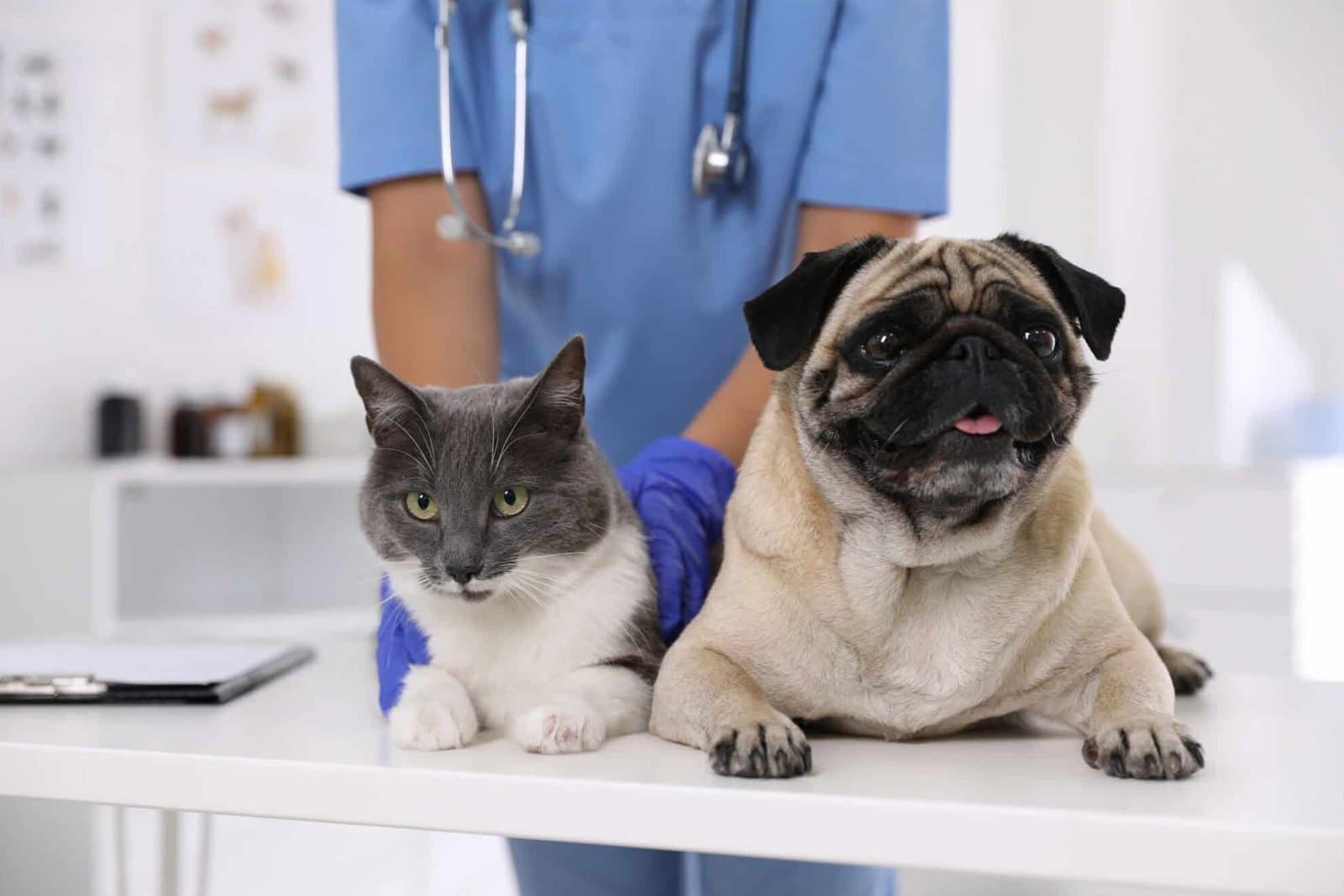
Preventive Care Is the Single Highest-Leverage Thing You Can Do
U.S. pet owners spend billions of dollars annually on emergency veterinary care for conditions that, in many cases, would have been caught earlier and managed less expensively at a routine wellness exam. The American Veterinary Medical Association and the American Animal Hospital Association consistently rank annual exams as the single most cost-effective intervention in pet healthcare.
This is especially true because pets age 4-7 times faster than humans. A year between checkups is roughly equivalent to a human going 4-7 years between physicals. Diseases that develop quietly across that span are often advanced by the time owners notice symptoms.
The AAHA-AVMA Canine Preventive Healthcare Guidelines and the AAHA/AAFP Feline Life Stage Guidelines set the schedule U.S. veterinarians recommend.
How Often Should Your Pet See the Vet?
| Life Stage | Dog | Cat |
|---|---|---|
| Puppy / Kitten | Every 3-4 weeks until 16 weeks | Every 3-4 weeks until 16 weeks |
| Young Adult (1-6 years) | Annually | Annually |
| Mature Adult (7+) | Annually to twice yearly | Annually, with semi-annual recommended |
| Senior | Twice yearly | Twice yearly |
Many cat owners think annual visits are excessive because their cat seems fine — but cats hide illness so well that the AAHA actually recommends semi-annual exams for all feline life stages, since changes can develop quickly and cats often show no signs of disease.
What Actually Happens at an Annual Exam
The physical exam
A thorough head-to-tail physical takes a vet 15-20 minutes and is more diagnostic than most owners realize. The vet checks:
- Eyes — for cataracts, glaucoma, irritation, or signs of systemic disease.
- Ears — infection, mites, polyps.
- Mouth — periodontal disease, tooth fractures, lumps, tumors.
- Heart and lungs — murmurs, arrhythmias, abnormal lung sounds.
- Abdomen — organ size, masses, fluid, pain.
- Lymph nodes — enlargement that can signal infection or cancer.
- Joints and spine — arthritis, range of motion, muscle wasting.
- Skin and coat — parasites, infections, masses, hot spots.
- Body condition — overweight, underweight, muscle quality.
Routine diagnostics
Beyond the physical, your vet may recommend:
- Annual heartworm test for dogs (recommended by the American Heartworm Society even for dogs on year-round prevention).
- Fecal parasite screen — picks up intestinal worms, giardia, coccidia.
- Baseline bloodwork for adult pets, becoming a screening tool from age 5-7 onward.
- Urinalysis for senior pets — kidney and bladder issues are often visible in urine before bloodwork.
- Blood pressure for senior cats — hypertension is silent and common.
Vaccines and parasite prevention
Annual visits are the natural touchpoint for keeping vaccines current. The 2022 AAHA Canine Vaccination Guidelines were updated in 2024 to include leptospirosis as a core vaccine for most dogs. The 2020 AAHA/AAFP Feline Vaccination Guidelines recommend FVRCP, rabies, and FeLV (for kittens) as core. Annual heartworm and flea/tick prevention prescriptions are usually renewed at the same visit.
Conversation about behavior and lifestyle
The visit is also an opportunity to ask about everything outside the medical exam: anxiety, eating habits, training challenges, exercise needs, multi-pet dynamics. Vets refer to behaviorists, trainers, and nutritionists when needed.
What Annual Exams Catch That Owners Miss
Dental disease
About 70% of cats develop some form of periodontal disease by age 3, and 80%+ of dogs over 3 have some level of dental disease. Most owners cannot see beyond the front teeth, where surface tartar shows; the back teeth, where most disease starts, are invisible without a vet exam.
Heart murmurs
A new heart murmur is the first sign of degenerative valve disease in small dogs and hypertrophic cardiomyopathy in cats. Both can be managed with medication if caught while the heart is still strong.
Subclinical kidney disease
Bloodwork in older cats often catches kidney disease 2-3 years before clinical signs appear. Diet changes started at this stage substantially extend lifespan.
Lumps and bumps
Owners frequently miss small skin tumors, especially on dogs with thick coats. A vet running their hands over the entire body finds them. Most are benign, but malignant ones found early have a different outlook.
Weight changes
The Association for Pet Obesity Prevention reports that 51% of dog owners and 55% of cat owners categorize their overweight pets as ideal. The vet's body condition score is the objective check.
Pain
Pets hide pain by instinct. Validated veterinary pain scales — the Glasgow Composite Measure for dogs, the Feline Grimace Scale for cats — pick up signs owners genuinely cannot see at home.
What an Annual Exam Costs
A standard adult wellness exam in 2026 averages $50-$150 nationally, with major-metro premiums adding $30-$80. Add-ons:
- Annual vaccines: $30-$80 total.
- Heartworm test: $25-$50.
- Fecal screen: $25-$50.
- Senior bloodwork panel: $80-$150.
- Urinalysis: $30-$60.
A complete adult wellness package usually runs $150-$400. Many clinics offer wellness plans that bundle these costs into a monthly fee, often with discounts on additional services.
How to Get the Most Out of the Visit
- Bring a list. Write down questions and observations in advance. The five-minute pre-vet brain is reliably worse than a written list.
- Note any changes. Eating less? Drinking more? Sleeping more? Limping? Bring specifics, not impressions.
- Bring all medications. Including supplements, prescription food, and anything new.
- Bring a stool sample if requested. Fecal screens save you from having to come back.
- Don't downplay. If you noticed something subtle, mention it. Subtle things are often the diagnostic signal.
Choosing a Vet
If you do not have a vet yet, choosing one is one of the highest-leverage decisions in pet ownership. A few things to look for:
- AAHA accreditation — voluntary and signals the practice meets standards higher than the legal minimum. Only about 12-15% of U.S. small-animal practices are AAHA-accredited.
- Cat-friendly certification for cat owners — designated by the AAFP, indicates the clinic is set up to reduce feline stress.
- Reasonable distance. A vet 5 miles away will get used; a vet 25 miles away will get skipped.
- Communication style. Some vets explain everything; some are brief. Pick one whose style matches yours.
- Online reviews, especially patterns. One bad review means little; ten complaints about communication or billing mean something.
- After-hours coverage. Confirm whether the practice has its own emergency line or refers to a separate ER.
The Wellness Plan Question
Many veterinary corporate networks offer monthly wellness plans that bundle annual exams, vaccines, parasite testing, and routine diagnostics. Math varies, but for many owners the bundled price comes out 10-20% lower than paying à la carte for the same services. Plans tend not to cover sick visits or specialty care, so read the contract carefully.
Why Skipping Annual Exams Backfires
The most common pattern in veterinary medicine is the owner who has not been to the vet in 2-3 years finally bringing their pet in for vague concerns — only to discover advanced disease. The math:
- Annual exam + bloodwork: $200-$400.
- Skipped 3 years; arrives with advanced kidney disease: $2,000-$5,000 in stabilization, plus chronic care for years.
This is not a hypothetical. Veterinary teaching hospitals routinely publish data showing earlier diagnosis substantially reduces lifetime treatment costs and substantially extends life and quality of life.
The Bottom Line
Annual wellness exams are the foundation of pet healthcare. They cost a fraction of what you save in earlier diagnosis, prevent the most common silent diseases from progressing, and catch problems before they become crises. For senior pets, every six months is the new every twelve months — pets age fast, and twice-yearly visits catch what annual visits miss.
This article is for informational purposes and is not veterinary advice. Always consult a licensed veterinarian about your pet's specific health concerns. In an emergency, call your vet or the ASPCA Animal Poison Control Center at (888) 426-4435.
RELATED READING
More from Pet Health

Pet Breed
Brachycephalic Breeds: Why Flat-Faced Pets Need Special Care
The most popular dog breed in America has a name for its airway condition: BOAS. Here is what brachycephalic means, the predictable health concerns, the financial reality of owning these breeds, and what responsible care looks like.
2026-05-08

Pet Breed
Pure Breed vs Mixed Breed: Health, Temperament, and the Real Differences
The pure breed vs mixed breed debate has been going on for decades. Each side overstates its case. Here is what the evidence actually shows on health, temperament, predictability, and cost — and when each choice makes sense.
2026-04-26

Pet Health
The Complete Pet Vaccine Schedule for Dogs and Cats (2026 Update)
From puppy and kitten boosters to adult and senior schedules, here is the up-to-date U.S. vaccine guide — including the 2024 update that made leptospirosis a core canine vaccine.
2026-05-07